An emergency call in Puerto Vallarta’s 5 de Diciembre ended as more than a routine medical response. Police, paramedics, and prosecutors were drawn in after an 86-year-old Russian woman was found without vital signs, and no close relative was available to identify her formally. The case is local news, but it also raises a broader question many international residents face only in a crisis: what happens in Mexico when a foreign national dies and the family is not nearby?
Authorities respond in 5 de Diciembre
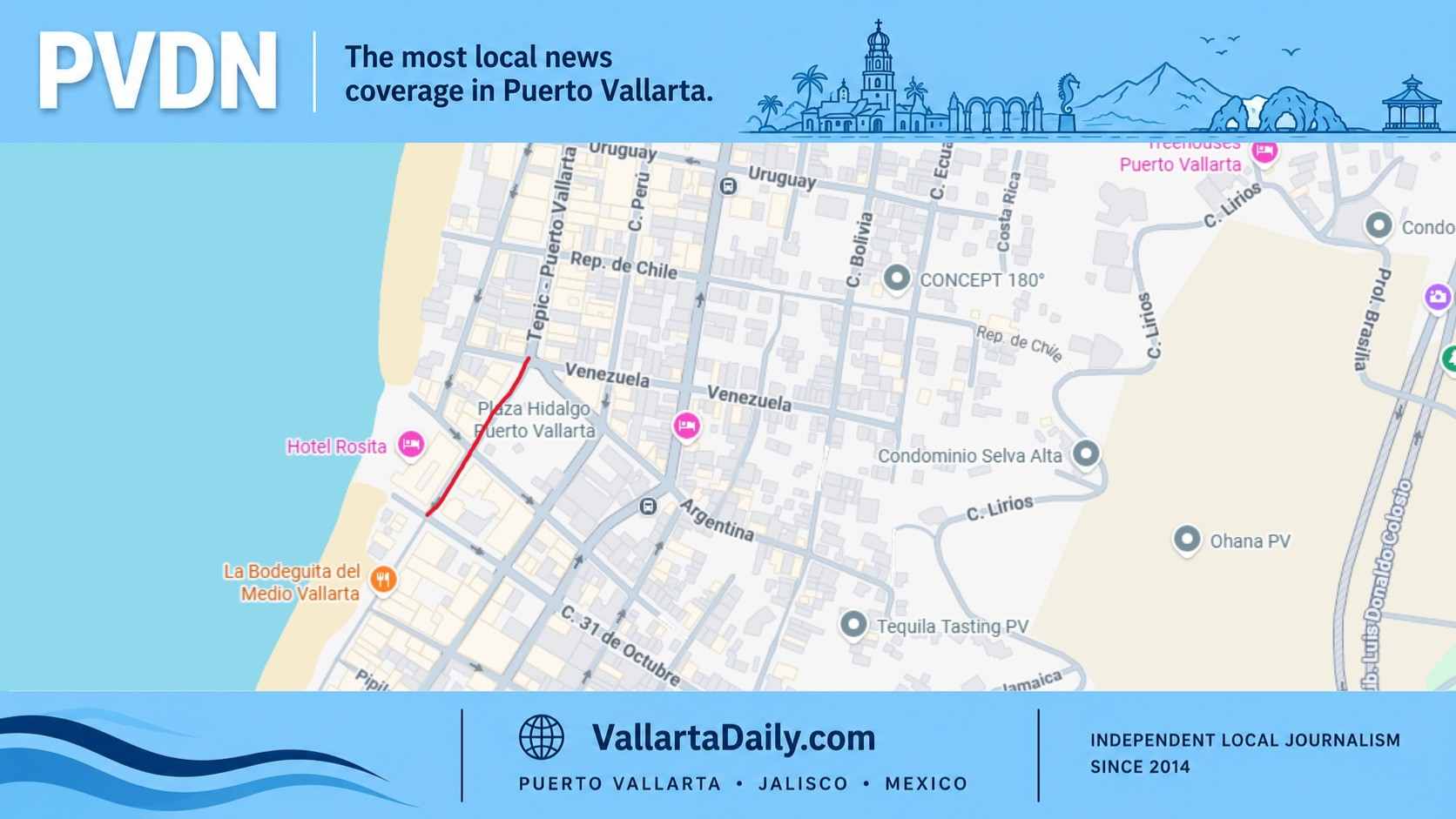
Authorities responded Tuesday afternoon to a report of a woman in medical distress at the intersection of Guadalupe Sánchez and Argentina in the 5 de Diciembre neighborhood. Paramedics later confirmed that the woman had died.
According to the initial account, the emergency call came in shortly after 1 p.m. A Red Cross unit arrived and confirmed that the woman had no vital signs. Police then spoke with a woman who identified herself as a friend of the deceased. She told officers the woman was 86 years old, from Russia, and had no immediate family in the city.
The exact cause of death was not established at the scene. Authorities said the woman had a history of health problems, but that alone was not enough to close the matter on site. Because no direct relative was available to complete a formal identification, the case moved beyond a routine medical response and into the hands of the Ministerio Público and forensic personnel.
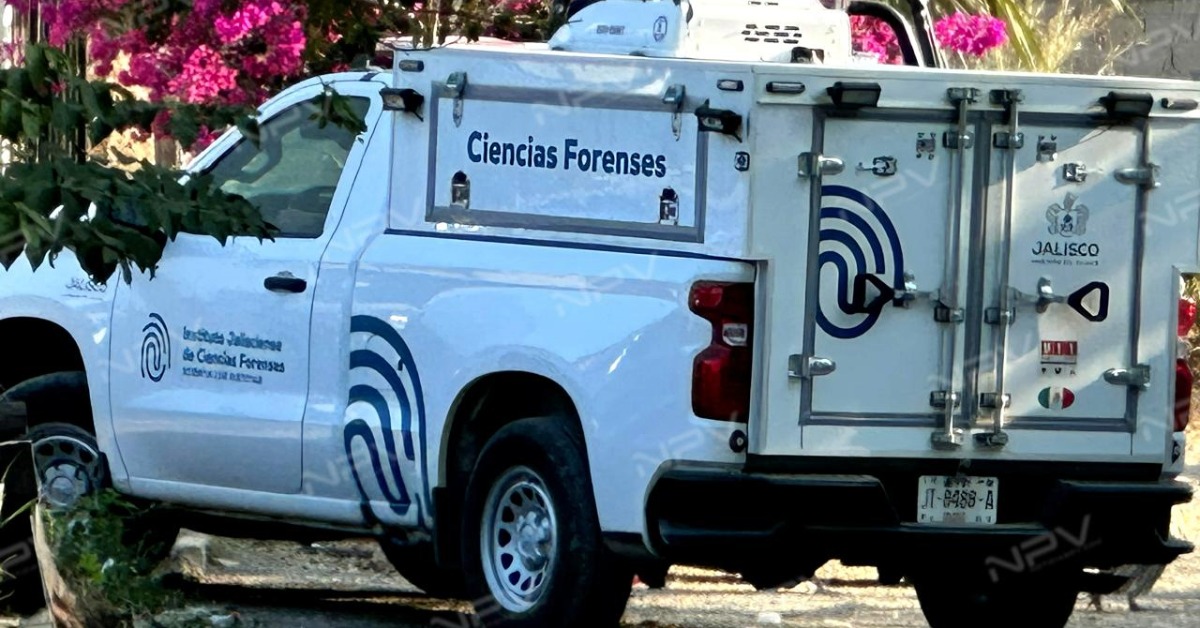
By the end of the initial response, the body had been transferred to SEMEFO, the forensic medical service, where the legal studies needed to establish the cause of death and official identity were expected to continue.
Why this became a Fiscalía and SEMEFO case
For many readers, especially those from outside Mexico, the involvement of the Fiscalía and SEMEFO can sound more dramatic than it is. In practice, it often reflects procedure rather than suspicion.
In Mexico, a death must be registered with the local Civil Registry, and the process begins with a medical certificate. When a death is sudden, unclear, accidental, violent, or otherwise not fully explained on scene, a forensic doctor usually becomes part of the process. That can mean a post-mortem, additional paperwork, and a temporary hold on the body while officials confirm both the cause of death and the identity of the deceased.
That appears to be the key issue in this case. The early account did not point to a confirmed cause of death at the scene, and no close family member was available locally to identify the woman in the formal way authorities require. In that setting, the prosecutor’s office and forensic service step in to create a legal record, protect the chain of custody, and avoid releasing a body before the identity is properly confirmed.
In Jalisco, the forensic system also has a second role that often gets less attention. It is not limited to determining how a person died. It is also responsible for identifying deceased people and returning them to their relatives. State forensic authorities maintain public information on identified but unclaimed deceased persons, indicating that some cases remain in official custody until relatives are located or paperwork is completed.
What this means when the deceased is a foreign national
The process can become more complicated when the person who dies is a foreign national. A local friend, landlord, neighbor, or caregiver may know who the person is, but that does not replace the official steps required by Mexican authorities. The death still needs to be documented under local law, and the identity still has to be tied to legal records before the body can be released.
After that, consular issues often come into play. In cases involving foreigners, consulates commonly help notify next of kin, explain local procedures, and guide families through decisions about burial, cremation, or repatriation. Those steps usually depend on the local death certificate and, in some cases, the findings from forensic authorities. That means even a case that began as an apparent medical emergency can turn into a longer administrative process once relatives are outside the country.
That is one reason stories like this resonate beyond the immediate police blotter. Puerto Vallarta has a large international population, including retirees, seasonal residents, long-term migrants, and visitors. When someone dies far from close family, the gap between a personal emergency and a legal process can close quickly. The result is often confusion for friends on the ground and a delay for relatives trying to understand what happens next.
For now, the public facts remain limited. Authorities have said an elderly Russian woman died in 5 de Diciembre, that no immediate relative was available in the city to identify her formally, and that the body was taken to SEMEFO for the corresponding legal procedures. Until those steps are completed, the final cause of death and the timeline for releasing the remains may remain unclear.