Locals and environmental groups warn that a Los Arcos de Mismaloya gender reveal using explosives and colored powders risks nesting birds and water quality.
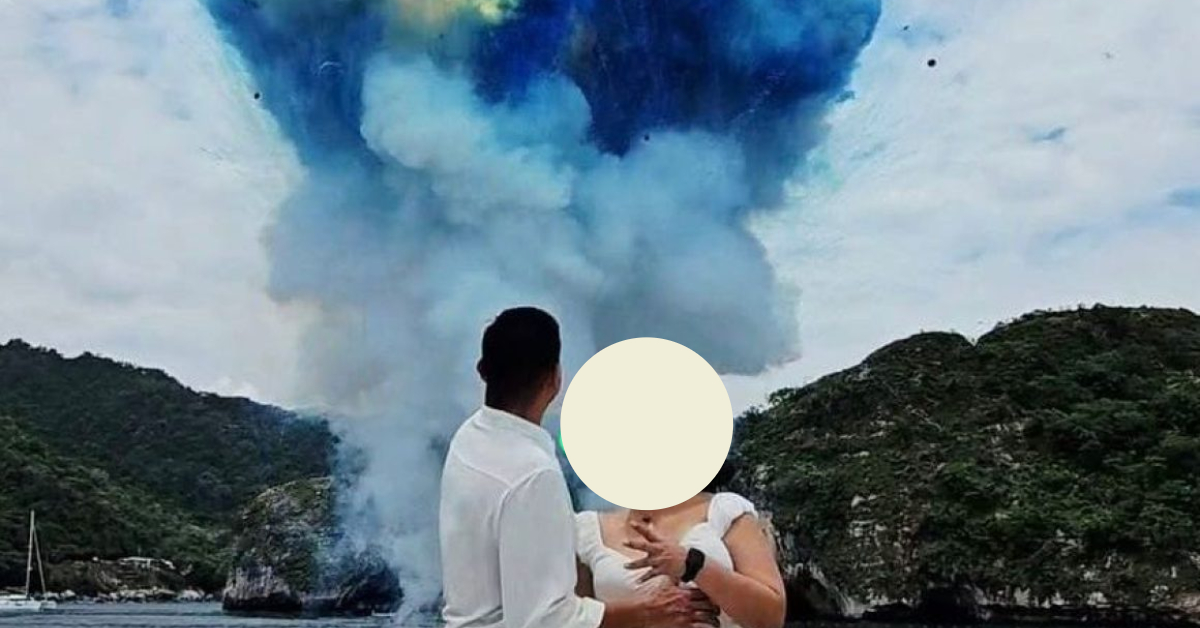
A recent social media promotion offering a gender reveal at the marine reserve of Los Arcos de Mismaloya has drawn sharp criticism from activists and residents concerned about potential ecological damage. The event, staged aboard a yacht in front of the famous rock arches, uses small explosive charges to send a loud bang and release colored powder—pink for a girl, blue for a boy. Critics say the noise and chemicals threaten the site’s wildlife and water quality.
Powders and Explosives Raise Alarms
Los Arcos de Mismaloya hosts a variety of nesting seabirds and serves as a nursery for fish and other marine life. Activists warn that colored powders can settle on feathers and poisonfish nurseries just below the surface. “A single charge may seem harmless, but repeated events can disrupt birds during breeding and introduce toxins into an already fragile ecosystem,” says María Rodríguez of the Puerto Vallarta Coastal Guardians. She adds that loud detonations can scare nesting terns and frigatebirds into abandoning eggs or chicks.
Local Voices Join the Fight
Long-time residents recall quieter days when kayak tours and snorkelers shared the arches without special effects. “We used to paddle under the arches in silence,” says fisherman Jorge Hernández. “Now people treat the site like a party spot.” Hernández and other locals have joined citizen patrols that monitor yacht activity. They hand out flyers with guidelines—avoid fireworks, keep noise under 75 decibels, and use only biodegradable marine-safe products.
Activists Patrol and Educate
Since May, environmental volunteers have organized weekend shifts on patrol boats. They photograph gender reveal setups and tag event operators on social media, calling out harmful practices. Patrol leader Elena García explains, “We want to work with tour companies, not against them. If they switch to non-explosive reveals—like biodegradable confetti cannons or light shows—we’ll support them.” She stresses that awareness often leads to quick changes: one company has already canceled three planned reveals after the group filed reports with local authorities.
Regulatory Gaps Persist
Despite growing opposition, local regulations lag behind. Puerto Vallarta’s maritime code bans fireworks and non-biodegradable waste, but it lacks clear provisions on gender reveal explosives or powders. City councilor Luis Ortega says he plans to submit an amendment this month to explicitly prohibit any chemical or explosive event within 500 meters of ecological reserves. “We must safeguard our natural heritage,” Ortega states. “Tourism thrives only if our ecosystems stay healthy.”
Balancing Celebration with Conservation
Gender reveal parties have become a global trend, but experts note other destinations have imposed rules after incidents of beach fires and wildlife injuries. Dr. Ana Torres, a marine biologist at the University of Guadalajara, points to cases in the Caribbean where fireworks damaged coral reefs and frightened sea turtles. She urges event planners to adopt proven alternatives—laser light projections and drone displays—that entertain without risk.
As debate continues, activists and locals hope to protect Los Arcos de Mismaloya and set a sustainable example for coastal celebrations nationwide. With education, regulation, and community support, they believe families can mark life’s milestones without endangering the environment.