The name Aida Karina Juárez is now carried in chants and candlelight. The Zacatecas mother who searched for her missing daughter was found dead across the state line in San Luis Potosí. Officials say one suspect is in custody. What they cannot say yet is why a woman driven by love and desperation ended up killed while doing the work the state so often leaves to families. This is what we know so far—and why it matters to every person still searching.
Aida Karina Juárez’s killing deepens Mexico’s grief over its missing. Zacatecas authorities confirmed the Zacatecas activist was found dead in San Luis Potosí. The announcement set off condemnation from search collectives and human-rights groups, and officials say one suspect is already in custody.
She was abducted on Tuesday night in Guadalupe, Zacatecas. An emergency call reported a woman taken by force in the Real de San Ramón area. State investigators opened a case even without a formal complaint, according to officials quoted by local media.
Aida Karina Juárez
Friends knew her as a recent member of the Siguiendo tu Rastro con Amor collective. She had joined after her daughter, Goretty Guadalupe Juárez Jacobo, 26, vanished on June 25. The body was found on Thursday in Villa de Ramos, just over the Zacatecas border, where families say the desert often keeps its secrets.
The cross-border location matters. Villa de Ramos is situated near routes where criminal groups operate and where cases often cross jurisdictional boundaries. Early reports place the recovery near the state line; authorities have not publicly detailed the exact site or condition of the body.
What authorities say so far
Rodrigo Reyes Mugüerza, Zacatecas’s interior secretary, announced the discovery and said a probable perpetrator has been detained and handed to prosecutors. State outlets repeated the claim, stressing that the investigation remains open and is being coordinated with San Luis Potosí.
Several facts remain unclear. Officials have not said whether the killing is tied to her activism. Zacatecas has seen this debate before: when another searcher, Sofía Raygoza, was murdered in February, authorities initially downplayed any link to her work even as the case drew national attention.
The risk to Mexico’s search collectives
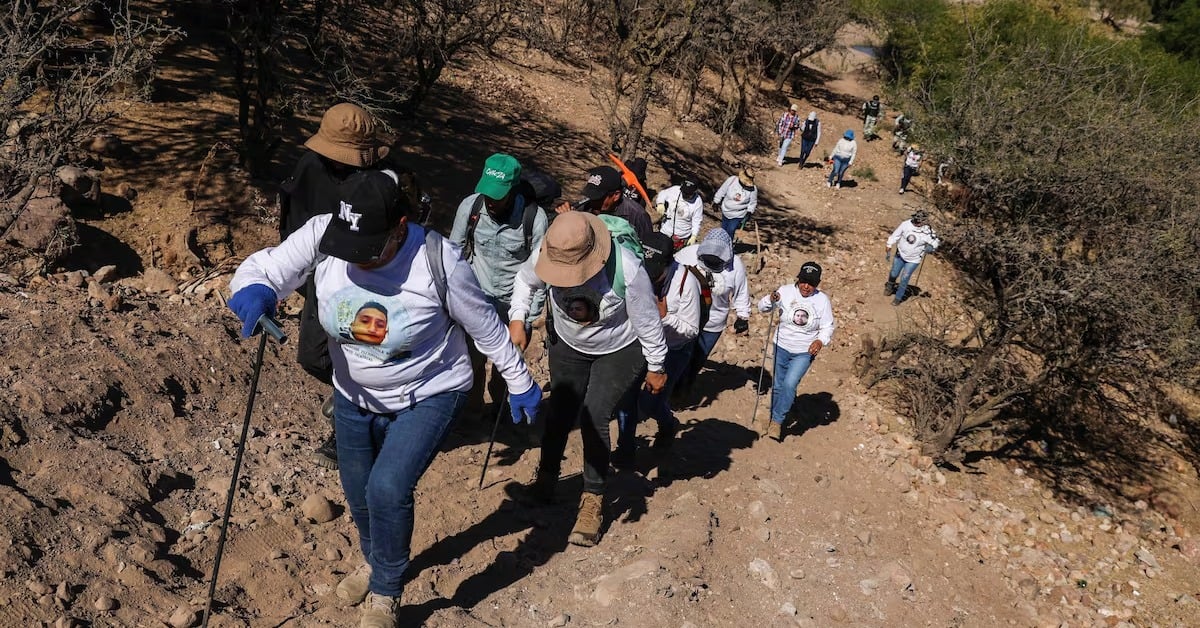
Mexico’s search movement lives with constant danger. Since 2010, at least 27 searchers have been killed and three more are missing, according to a monitoring project focused on disappearances. Advocacy groups tracking attacks on women defenders report at least 19 “madres buscadoras” killed in the past six years. A new Amnesty report says 97% of women searchers have experienced violence or harm.
The scale of the crisis remains staggering. Official data show more than 131,000 people listed as disappeared or not located as of late July, and reports in the first half of 2025 rose sharply year over year. Families say those numbers still feel like an undercount.
The search for Goretty continues
Aida Karina’s collective says the work will not stop. “Seguimos buscando a Goretty Guadalupe,” members said, vowing to keep pressing authorities and walking the scrubland where tips lead. For families, the message is both ritual and resolve. They bury their dead, then shoulder the shovels again.
What comes next will test two states at once. Prosecutors will need to secure charges and explain how a woman seized in Zacatecas ended up dead in San Luis Potosí. Search groups want protection and concrete results—because in Mexico, the right to look for the missing should not be a death sentence