AIFA drug trafficking attempt
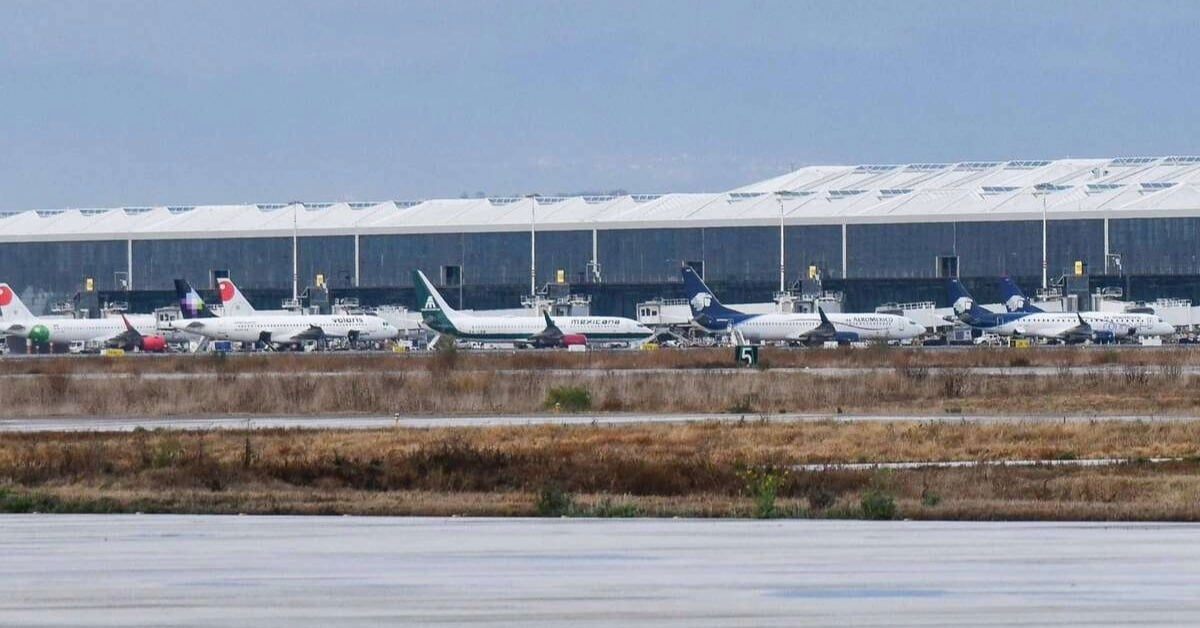
The federal government, citing recent intelligence work, says criminal cells tried to “christen” the AIFA as a fresh export route. The attempts surfaced in June and July inside the airport’s National Cargo Warehouse No. 1, a bonded area run by an authorized import firm.
Investigators seized a large shipment of methamphetamine—enough to be valued in the tens of millions of dollars—alongside a separate cocaine load. Officials framed the finds as proof that detectors, canine teams, and document checks can still stop high-value narcotics inside a busy cargo hub.
What investigators found
Authorities documented a consignment of clorhidrato de metanfetamina measured in the hundreds of kilos, plus another with more than two hundred kilos of cocaine. The warehouse sits inside the AIFA customs zone, where private operators receive, inspect, and store freight under federal rules.
Open data and security bulletins show that 2025 has brought a string of airport seizures: fentanyl in February, cocaine in May, a 70-kilo meth load in June, and mixed quantities in July. Most earlier interdictions involved “mules” and small parcels. The June–July warehouse cases were on a very different scale.
Why the AIFA shift matters
The AIFA’s cargo profile grew after the government ordered freight carriers to vacate Mexico City’s older airport and migrate operations. That policy unclogged the AICM for passengers. It also concentrated more cargo screening, handlers, and brokers at a newer facility, still tuning procedures.
Security specialists argue that volume and novelty create openings. When many companies are moving at once—new routes, new contractors, new badges—layered access and audit trails take time to mature. That’s when sophisticated traffickers look for seams.
How traffickers adapt to air cargo
Cartel logistics teams like air freight because it’s fast, modular, and global. Small, dense, high-value loads can hide among thousands of legitimate consignments. The method relies on corrupt gatekeepers, forged or doctored papers, and a working knowledge of how bonded warehouses flow.
Analysts say Mexico needs more than walkthrough scanners. It requires targeted risk modeling, better image analysis, chemical pre-screening that doesn’t damage cargo, tighter contractor rotations, and stricter access control inside sensitive bays. Technology helps, they add, but only if paired with intelligence that tells teams where to look.
What officials haven’t said
Authorities did not specify arrests tied directly to the significant warehouse seizures. That silence is common in early cargo cases, when agencies build conspiracy charges and track the paperwork chain—brokers, consignors, and end buyers—before moving.
The AIFA operator said passenger operations were normal. There were no stoppages or alerts for travelers. The case sits squarely in the cargo lanes, where public visibility is rare and the investigative timeline is longer.
What to watch next
Watch for follow-up raids away from the airport. If investigators followed shipping trails correctly, the next moves will land in city warehouses or along highway transfer points. Also watch for procurement: if screening equipment or training budgets spike in the coming weeks, it suggests officials took the lesson.
Finally, track whether prosecutors link the consignment to a named cell. If they do, this won’t just be an airport story. It becomes a map of how a particular group tried to exploit a national infrastructure change—and how the state plans to shut that door.