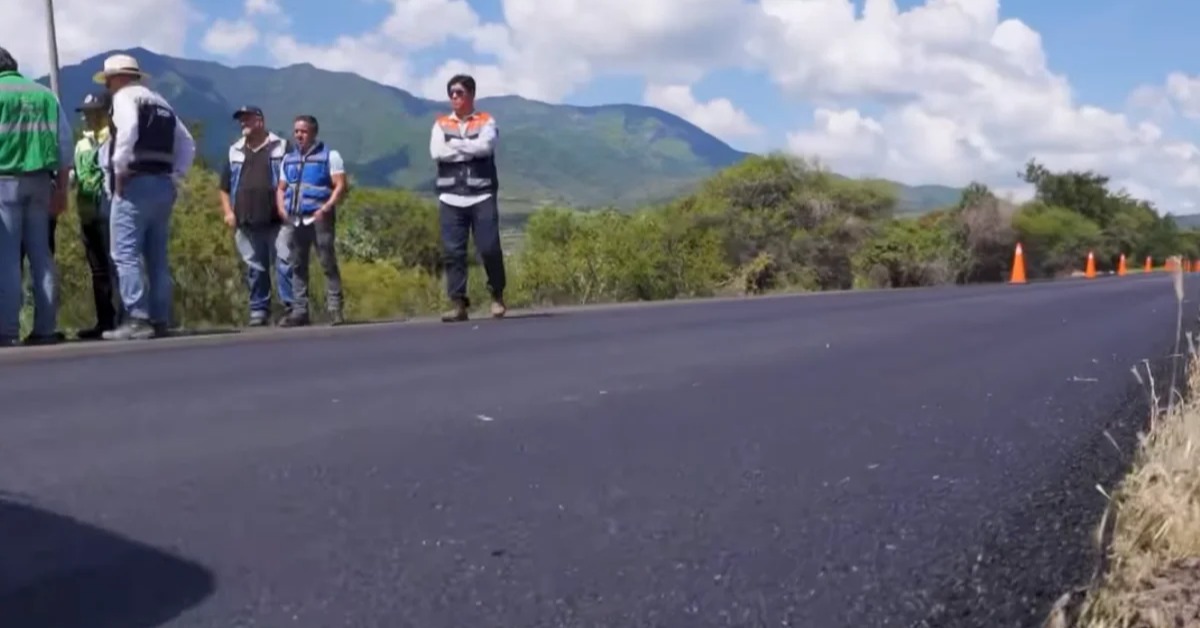
Jalisco officials say work is expected to begin in September 2026 on the next stage of the Chapala highway expansion, extending improvements from the Guadalajara airport toward Ixtlahuacán de los Membrillos.
Governor Pablo Lemus Navarro said the project will move ahead once financial and administrative steps are completed. Those include depositing state and federal funds into a trust and launching a national public bidding process.
The project is planned to carry an investment of about 5 billion pesos. It is being coordinated with the Fondo Nacional de Infraestructura (Fonadin), a federal infrastructure fund operated by Banobras.
For people living in Ajijic, Chapala, Jocotepec, Ixtlahuacán, and the broader lakeside region, the announcement matters because this corridor is not just another state road. It is the main link to the Guadalajara airport, the metropolitan area, medical services, shopping, government offices, and long-distance travel connections.
Why this stretch matters to Lake Chapala residents
The Guadalajara-Chapala highway is one of the most important routes in western Jalisco. It carries airport traffic, commuters, freight, buses, and residents traveling between Guadalajara and the lakeside communities.
For many foreign residents in the Lake Chapala area, the route is also the practical gateway to the rest of Mexico and abroad. Delays on this road affect airport trips, medical appointments in Guadalajara, supply deliveries, and weekend travel.
The section now planned for expansion runs from the Miguel Hidalgo y Costilla International Airport toward Ixtlahuacán de los Membrillos. That area has seen steady pressure from urban growth, industrial activity, and increased movement between Guadalajara and communities south of the city.
The state has already worked on the section closer to Guadalajara and the airport. In November 2025, officials opened eight renewed lanes on the highway, four in each direction, as part of earlier improvements. The new stage would push the project farther along the corridor.
What the government says will happen next
The governor said the agreement with Fonadin has been signed and approved by the federal and state governments. The next step is to place the required money into a trust.
According to the governor’s public comments, Jalisco is expected to contribute about 2.5 billion pesos, while the federal side will provide about 1.5 billion pesos. The remaining amount is expected to come through complementary funding tied to the full investment package.
Once the funds are in place, the project will enter a national public bidding process. That step matters because it determines which company or companies will carry out the work, how the contract is structured, and when construction can begin.
Officials have said September is the expected start date, not a completed construction deadline. That means drivers should expect more details in the coming months about lane closures, detours, construction phases, and the exact work schedule.
How this connects with Mi Macro Aeropuerto
The highway work is closely tied to the state’s larger mobility plan for southern Guadalajara and the airport corridor.
The first stage includes Mi Macro Aeropuerto, also called Line 5 in local transportation coverage. That system is planned to connect the Guadalajara airport with the metropolitan transit network, including Mi Macro Periférico.
Officials have said the airport-to-Periférico stage is expected to begin operations around late May. That timing is connected to Guadalajara’s preparations for the 2026 FIFA World Cup, when the city will host international visitors and face heavier pressure on airport and road access.
The September expansion is a separate next step. It would move the mobility corridor farther out from the airport toward Ixtlahuacán de los Membrillos. That could eventually improve options for people living beyond the airport, especially if road upgrades and public transit extensions are built together.
What could change for drivers
The most immediate promise is better traffic flow on a corridor known for delays.
A widened and modernized highway could reduce bottlenecks near the airport and improve travel times between Guadalajara and the Lake Chapala region. It could also make the route safer if the work includes better lane design, lighting, pedestrian areas, and access points.
Still, major road projects often bring short-term disruption before any improvement is felt. Drivers may face lane reductions, temporary detours, slower airport access, and changing traffic patterns once construction begins.
That is especially important for anyone catching flights from Guadalajara. Residents traveling from Chapala or Ajijic may need to allow extra time during construction, particularly for early-morning or holiday travel.
The final benefit will depend on how the project is executed. A wider highway can move more cars, but long-term relief also depends on public transportation, land-use planning, and how fast nearby communities continue to grow.
Why the timing is important
The September start date places the next phase after the first World Cup-related deadline for works in the Guadalajara metropolitan area.
State officials have said that open construction fronts tied to the tournament must be closed before major event operations begin. That helps explain why the airport-to-Periférico phase has been treated as more urgent.
The later airport-to-Ixtlahuacán phase is still important for regional mobility, but it is not expected to be completed before the World Cup. Instead, it appears to be part of a broader, multi-year push to improve the southern access corridor into Guadalajara.
For the Lake Chapala area, this means the biggest changes may come after the tournament. Residents should watch for bidding results, construction timelines, and official traffic management plans.
The larger issue behind the project
The Chapala highway has become a pressure point because growth has outpaced infrastructure.
The corridor serves airport passengers, industrial zones, commuters, and lakeside communities. It also supports tourism and retirement migration around Lake Chapala, where many foreign residents rely on Guadalajara for air travel and specialized services.
Better infrastructure can help, but it can also bring more development pressure. Easier access often makes nearby land more attractive for housing, warehouses, and commercial projects.
That is why the highway expansion is more than a road story. It is also about how the Guadalajara region grows, how lakeside communities stay connected, and whether mobility planning can keep up with daily life.
For now, the key date is September. That is when Jalisco expects to begin the next phase, provided the trust funding and bidding process move forward as planned.