Puerto Vallarta, Mexico (Opinion – Letter to the Editor) – The prospect of a major insider trading scheme orchestrated at the highest levels of power in the United States is profoundly unsettling. Yet that is precisely the scenario that some observers of the Trump era find themselves seriously contemplating. When corporate executives, political elites, and tech billionaires come together under the umbrella of shared interest, the lines between policymaking, business strategy, and personal enrichment can blur—sometimes so seamlessly that the public barely notices. But the argument is growing louder that President Donald Trump’s tariffs, the orchestrated market swings, and the 90-day “pause” might all be parts of a grand manipulation scheme designed to benefit those with insider knowledge.
Note to readers: While the facts in question are often subject to fierce political debate—and while insider trading requires a high bar of proof—this conversation matters deeply. If there is even the possibility that America’s economic and political fortunes are being shaped by a corrupt arrangement at the top, it is a debate that citizens must have. Democracy requires transparency, and that transparency is impossible to achieve if we ignore serious allegations that seem plausible when viewed in context.
In the statement at hand, the idea is put forth that “Trump’s tariffs might just be the biggest insider trading scheme in American history.” According to the claim, former Democratic donors in Big Tech and beyond have switched sides to pour campaign funds into Trump’s coffers, receiving valuable rewards in the process—among them, an alleged treasure trove of personal data from American citizens with trillions of dollars to Musk, Trump’s loudest supporter and contributor to his election. Then there is the perplexing 90-day pause on tariffs, which looks, to many, less like a measured policy move and more like a Machiavellian tactic to drive down and then rebound stock prices. People within the Trump administration are already saying this pause was always part of the plan, so they knew markets would crash for a week and then rise on April 9. News of a 90-day pause was leaked several days ago, and the administration denied any such plan and said it would not be happening, which sent stocks tumbling even further.
I. Understanding the Context: Tariffs and Their Economic Impact
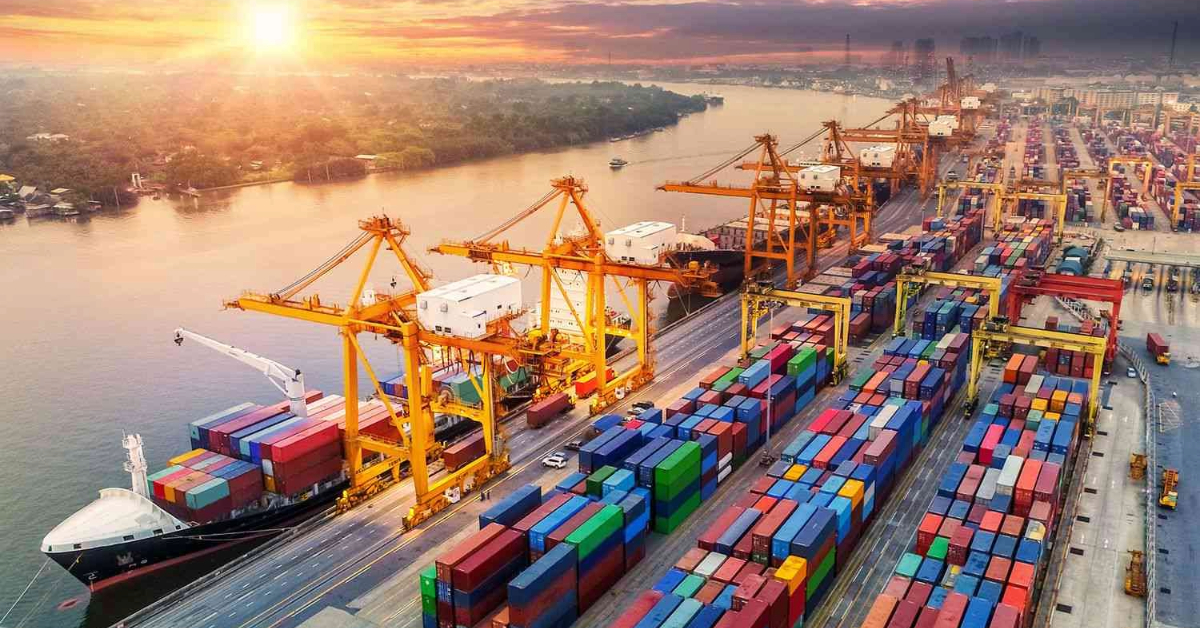
To truly grasp the scope of these allegations, we should begin by reviewing the bigger picture of how tariffs work and why they carry such weight in public discourse. A tariff is, at its most basic level, a tax on imported goods. Governments enact tariffs for various reasons—sometimes to protect domestic industries, sometimes to penalize a foreign nation for certain trade practices, and sometimes as a bargaining chip in broader trade negotiations.
- Market Disruption: When new tariffs are imposed, the global markets react, often negatively. Investors hate uncertainty, and the introduction of tariffs can suddenly shift profit margins, supply chains, and consumer prices. This leads to volatile stock prices, especially in industries heavily reliant on global trade—think electronics, automobiles, and consumer goods.
- Targeted Industries: Depending on which countries are being taxed and which products are targeted, certain industries see a dip in their stock valuations or, at times, a rise if they are sheltered from foreign competition. For instance, if the United States imposes steel tariffs on multiple foreign producers, domestic steel producers might experience a short-term windfall. Conversely, manufacturers that rely on steel as an input would face higher costs and see their stocks fall.
- Negotiation Tool: Tariffs are also used as leverage in negotiations—impose them, cause pain for a trading partner, then offer to reduce or remove them in exchange for some concessions. Occasionally, the mere hint of a tariff can shift markets if corporate leaders and investors sense a significant risk.
Against this backdrop, we see the Trump administration wielding tariffs as a signature policy tool. Trump consistently framed tariffs as a means to rebalance trade deficits and champion “America First” policies. But in doing so, he also injected massive uncertainty into global markets, particularly in the technology, manufacturing, and consumer goods sectors. Whenever the administration announced a tariff or threatened to expand one, the stock market often dipped—sometimes sharply. Over time, these dramatic swings opened the door for those with advance knowledge of administration announcements to potentially profit from timed trades and short-term manipulation.
II. Follow the Money: Tech Billionaires and Campaign Contributions
The statement argues that many tech billionaires who once supported Democratic candidates suddenly shifted gears to back Trump, a change allegedly driven by personal gain. Elon Musk is singled out as the prime example, purportedly investing hundreds of millions in Trump’s campaign and, in return, gaining “access to the personal data of every American.”
Let’s break down the key points:
- Campaign Finance Shifts: Major donors frequently hedge their bets, contributing to both Democratic and Republican campaigns to maintain influence regardless of who wins. But large sums from Silicon Valley traditionally went to Democrats, until the 2024 election revealed a more complex landscape. Some prominent figures did indeed donate to Trump. However, proving they coordinated these contributions with an explicit promise of policy or privileges.
- Data is the New Currency: The assertion that Musk “now gets access to the personal data of every American” might be hyperbolic, but there is a kernel of truth in that data is invaluable. Access to more robust consumer data—or data gleaned from partnerships with government agencies—can be monetized in ways that dwarf any short-term returns. If there was a back-room arrangement to share certain forms of data, the value of that arrangement could indeed be astronomical—worth far more than “hundreds of millions” in campaign contributions.
- Incentives and Influence: If a tech billionaire suspects a particular policy could be designed to create dips in a company’s stock price—allowing an insider to buy low or otherwise manipulate the market—then investing in the politician controlling that policy might be seen as a savvy business move. While that is not conclusive proof of wrongdoing, the lines between lobbying, campaign finance, and personal gain can become incredibly murky.
We’ve seen glimpses of these patterns in American politics before: wealthy individuals gain access to politicians, shape legislation, and reap benefits in the marketplace. But rarely is the “quid pro quo” so publicly visible. The question is whether the Trump administration’s tariff games and subsequent market turmoil were part of a broader scheme to help well-connected investors buy low and sell high.
III. The 90-Day Pause: Policy Shift or Strategic Timing?
The administration’s claim that it “always intended a 90-day pause” on the tariffs may sound routine. After all, trade negotiations often involve start-and-stop timelines. However, in this case, timing is everything. The abrupt mention of a 90-day pause after a period of significant market turbulence looks suspicious to some observers.
Here’s the sequence that raises eyebrows:
- Initial Tariff Announcement: The Trump administration announces or strongly hints at broad-based tariffs against specific countries—say, China—or certain product categories. Markets react instantly, with tech stocks, automobile manufacturers, and consumer goods companies taking the brunt of the decline.
- Market Dip: Over the course of days or weeks, the stock market sees a pronounced drop. Investors scramble, analysts caution that a trade war could hamper growth, and headlines detail how much money has been “wiped off” corporate valuations.
- Buybacks and Insider Buys: Simultaneously, some corporations might be planning share buybacks, seizing the chance to purchase their own stock at deflated prices. Furthermore, those in the Trump administration’s circle—or with advance knowledge—could also buy into these stocks at the bottom.
- Surprise Pause: The administration then announces they’re pausing tariffs or implementing them on a delayed timeline—perhaps under the guise of “we’re making progress in trade negotiations” or “we always intended to provide a 90-day window.” This news sparks relief in the markets, causing stock prices to rebound.
- Profit: Anyone who bought at the bottom now sees an immediate gain, potentially reaping millions or billions in profit, depending on the scale of the trades.
Now, is it unusual for presidents to change their minds or adapt their strategies on major trade policies? Not exactly. Is it suspicious that the sequence of announcements and retractions, combined with massive stock moves, gave certain investors tremendous opportunities to profit? Absolutely. The concern is that this wasn’t random or accidental, but rather an orchestrated drama staged for personal financial gain.
IV. Insider Trading 101: Why This Would Be Monumental
Insider trading typically occurs when an individual uses nonpublic, material information—knowledge that the general public does not have—about a publicly traded company to influence their investment decisions. It is illegal because it undermines trust in the markets: a free market only works if everyone has a fair shot at the same information.
In a typical case, you might see an executive at a pharmaceutical company receiving advanced notice that a drug trial failed, then selling stock before the public finds out. Or a person close to a merger deal might buy shares of the company that’s about to be acquired, knowing its stock price will soon rise.
But the scenario described here is of a different magnitude:
- Scope: Rather than insider knowledge of a single event at a single company, this could involve inside knowledge of a colossal geopolitical and economic event. Tariffs on major economies can sway entire sectors: technology, manufacturing, agriculture, and more.
- Participants: The potential circle of insiders could include the President, members of Congress, cabinet officials, corporate CEOs, and tech billionaires. This is no small ring of a few rogue traders.
- Impact: Even a small advantage—knowing a day or two in advance that tariffs will be imposed or lifted—can translate to extraordinary sums of money. Multiply that across months of policy feints, announcements, and retractions, and the windfall becomes astronomical.
If it ever were proven that government officials and corporate elites collaborated to manipulate the market for personal profit, it would not only be among the worst insider trading scandals in American history; it would be a profound betrayal of the public trust.
V. Martha Stewart’s Example and the Congressional Role
Martha Stewart “fuming” over the scandal. Martha Stewart was famously convicted of felony charges related to insider trading—though technically for lying about a stock sale rather than insider trading itself. Her downfall was a cautionary tale that no one is above federal insider trading laws, or at least that was the intended message.
But if elites at the level of the President, members of Congress, or high-profile billionaires manipulated tariff announcements to rake in profits, it places Stewart’s transgression (which involved comparatively small amounts of money) in a new light. The notion that a lifestyle mogul was harshly penalized while Washington and tech giants get away with more consequential manipulations is deeply unsettling.
This discrepancy underscores the importance of Congressional oversight. Investigations into insider trading allegations require subpoena power, the ability to compel testimony, and the resources to sift through complex financial transactions. If the Democrats in Congress—after midterm elections or any election cycle—have the political will to investigate, they would need to:
- Subpoena Financial Records: Obtain trading records from those suspected of profiting off insider tariff information. This includes members of Congress, their staff, administration officials, and significant donors.
- Review Communication: Examine emails, phone logs, text messages, and internal memos to see if there was coordination about market timing, or if knowledge of tariff announcements was shared among a select group before the public knew.
- Expose Patterns: Look for repeated instances of suspiciously well-timed trades—particularly those made just before a major tariff announcement or just before a sudden shift in policy (like the 90-day pause).
If enough evidence emerges, the next steps could include public hearings, formal charges, and severe legal consequences for those involved. Because an insider trading scandal at this scale would threaten to erode public confidence not just in the markets but in democracy itself, the stakes could not be higher.
VI. Why Republicans’ Silence Might Be Deafening
Congressional Republicans have, for the most part, been unusually silent, perhaps because “they were in on the insider trading scam.” While we cannot declare that to be true without hard evidence, the lack of vocal pushback from GOP lawmakers raises eyebrows. Typically, one might expect politicians—some of whom have historically been pro-free-trade—to question the seemingly erratic tariff strategy. Yet many Republicans who once championed free trade have instead fallen in line with the administration. Why?
- Aligning with the Party’s President: In modern politics, party unity often trumps personal ideology. Republican lawmakers might remain silent to maintain the President’s favor and avoid political fallout among a loyal base.
- Shared Interests: If Republicans receive campaign contributions from the same industries benefiting from certain policy gyrations, they might have financial incentives to keep quiet.
- Fear of Retaliation: Trump has been known for publicly chastising and working against those in his own party who cross him. No senator or representative wants to end up with a primary challenge spurred on by the President’s disapproval.
However, the idea that some in Congress could be actively profiting from tariff-induced market swings is what truly shocks the conscience—especially if it led to the suspicious silence. When politicians stand to gain personally, it fundamentally compromises their ability to legislate objectively.
VII. The Bigger Picture: Erosion of Trust and Democratic Values
If these allegations were proven, it would be one of the most damaging political and financial scandals in American history. Even if they remain in the realm of conjecture, the narrative itself highlights a serious issue: the growing distrust in American institutions.
- Market Integrity: Global investors rely on the U.S. market being relatively transparent and rule-based. If the United States succumbs to routine insider manipulation at the highest levels, it undermines confidence in American equities.
- Democratic Values: A democracy depends on elected officials acting in the public interest. Even the perception that they might be manipulating policy for personal enrichment corrodes faith in the system. Over time, citizens become cynical, feeling that “the game is rigged.” Voter apathy, conspiracy theories, and divisive populist movements can grow in such an environment.
- Global Implications: If the U.S. government can manipulate global markets for the benefit of a few, it sets a dangerous precedent. Other nations might retaliate or replicate the tactic, leading to broader economic instability.
In addition, such large-scale manipulation, if real, could be extremely difficult to unravel. The architecture of modern finance is complex, with trades routed through countless intermediaries, shell companies, and automated trading algorithms. Proving direct cause-and-effect—tracing specific trades to specific individuals and linking them conclusively to tariff announcements—would be a Herculean task.
VIII. Moving Forward: What Should Happen Next?
So, where do we go from here? Assuming the public demands more than just conspiracy theories and wants actionable steps:
- Calling for Transparency: Civil society organizations, journalists, and concerned citizens need to push for more transparency around campaign contributions, especially those timed with major policy shifts. Although campaign finance data is theoretically public, understanding the context—and verifying who benefits from key policy decisions—often requires deeper investigative reporting.
- Strengthening Ethics Laws: Lawmakers could, in theory, pass legislation that mandates additional disclosures from elected officials who have a say in market-moving policies. Currently, there are certain restrictions and financial disclosure requirements for members of Congress and executive branch officials. However, critics argue these laws have too many loopholes, and enforcement is often lacking.
- Bolstering the SEC and Oversight Agencies: The U.S. Securities and Exchange Commission (SEC) is tasked with monitoring insider trading. However, if major political players are involved, it can become politically fraught for the SEC to investigate thoroughly. Ensuring the SEC has autonomy, resources, and a mandate to scrutinize not just corporate executives but politicians and donors is crucial.
- Encouraging Whistleblowers: Significant corruption cases often crack open when insiders with firsthand knowledge come forward. Whether it’s a staffer, a lower-level executive, or a disillusioned participant, it often takes courageous whistleblowers to prompt meaningful investigations. Institutions can encourage whistleblowers by strengthening legal protections and offering avenues to report wrongdoing without fear of retaliation.
- Demanding Accountability: Ultimately, voters have power at the ballot box. If the public believes members of Congress or the administration have engaged in corrupt practices, they can vote them out—provided they have sufficient information and an appetite for change. Given the extent of political polarization, though, accountability might be challenging to achieve unless there is hard evidence that resonates across party lines.
IX. Conclusion: A Call for Vigilance
The assertion that “Trump’s tariffs might just be the biggest insider trading scheme in American history” certainly makes for a compelling—and troubling—narrative. Whether or not all the details are exactly as alleged, the possibility that a sitting administration could orchestrate policy, drive down markets, delay tariffs, and then allow a rebound to benefit insiders demands attention. The involvement of tech billionaires switching allegiances, the suggestion of new access to American data, and the general silence of Republican lawmakers add layers of intrigue.
Yes, it may prove difficult to find an indelible paper trail or “smoking gun,” especially if the people involved have been careful. Nonetheless, democracy is at its strongest when it demands accountability. Congress, the media, and the citizenry all have roles to play in shining a light on murky corners of government and finance. If we collectively shrug at these allegations—or dismiss them as conspiracy theories without at least exploring them—we undermine the very principle that no one is above the law.
At minimum, the scenario illuminates how a few powerful people can move markets. Tariffs can be a legitimate policy tool, but in a system rife with potential for insider abuse, we need stricter safeguards. Ultimately, the best antidote to corruption is transparency, independent oversight, and an informed public unwilling to accept “business as usual” when it appears that businesses—and political fortunes—are literally trading on secret knowledge.
As citizens, we must keep demanding answers. Was the 90-day pause part of a legitimate negotiation strategy, or an orchestrated move to tank and rebound the market for insider profit? Were tech billionaires truly switching sides for personal data access? Did members of Congress keep silent because they were capitalizing on a golden opportunity to buy low and sell high?
These questions aren’t trivial. They strike at the heart of whether our governance serves the people or is a masquerade for the rich to get richer. If the midterms shift power in Congress, we may finally see more vigorous investigations. That scrutiny will be a necessary first step in determining whether we’re witnessing a policy negotiation or a massive insider trading scheme. And, if it is the latter, those found guilty must be held to the same—or higher—standard than a celebrity homemaker who once made suspicious trades in her personal stock portfolio.
In the end, cynicism and apathy are the most dangerous enemies of democracy. Whether you believe these allegations or not, keep your eyes open, scrutinize your elected officials, follow reputable investigative journalism, and never stop asking the tough questions. Maybe this was nothing more than The Art of the Deal; time will tell.
Disclaimer: The views, thoughts, and opinions expressed in this article belong solely to the author and do not necessarily represent those of PVDN, its staff, or any affiliated organizations. Any statements, claims, or assertions made within this piece should be independently verified and do not constitute official endorsements or positions by PVDN. Readers are encouraged to draw their own conclusions based on the information provided.
PVDN publishes all opinion pieces submitted by subscribers. If you have an opinion or rebuttal, please send us your well-thought-out opinion written in a professional and non-cobative tone! Every subscriber has a voice if they choose to use it.