PEACEAnimals closed out August with two clinics that underscored how mobile, neighborhood-based spay and neuter programs can meet pet owners where they are. In Valle Dorado, demand filled every available slot across the clinic’s run. Later, in the rural neighborhood of Campestre de Cañadas, the nonprofit hosted its first-ever clinic there—a milestone made possible by local partners and an enthusiastic community that showed up early, stayed engaged, and helped spread the word.
Valle Dorado’s summer model packed the house
With schools on break, Primaria Héroes del Bicentenario opened its doors and became an ideal temporary clinic. Classrooms and courtyards provided the space veterinarians and volunteers need for intake, surgery, and recovery. The location also mattered: set in the heart of the neighborhood, it allowed families without cars to walk their pets to and from the site.
A shaded patio offered a comfortable waiting area while animals recovered—an often-overlooked but crucial part of any high-volume clinic. That detail, combined with an accessible address, helped the operation run at capacity throughout the week.
Regular volunteers Osiris, Cynthia, and Miriam anchored the workflow. Their presence meant quick triage, steady hands in recovery, and clear guidance to pet owners about post-op care. The rhythm felt familiar to Valle Dorado residents, who have a track record of showing up for these services. August continued that pattern: full sign-up sheets, steady traffic from opening to close, and a constant stream of dogs and cats headed home sterilized and vaccinated.
First clinic in Campestre de Cañadas sets a high bar
Later in the month, PEACEAnimals brought its team to Campestre de Cañadas for the first time and found a community that was more than ready. The venue—Escuela Primaria 17 de Febrero—offered the same summer advantages as Valle Dorado: empty classrooms transformed into surgery and recovery areas, and shaded outdoor space for owners to wait.
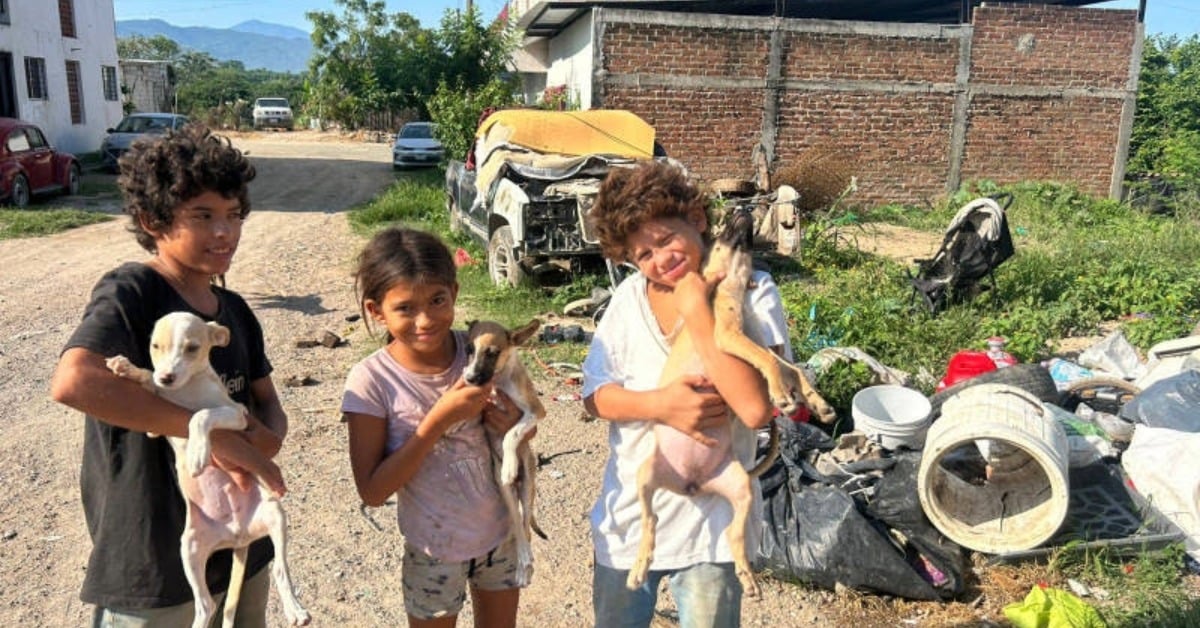
From day one, residents came prepared, with carriers, leashes, and questions. Children wandered in, watched the process, and asked about what sterilization does and why it matters. Some returned with their own pets the next day—an organic, neighborhood-level education in animal health that tends to stick.
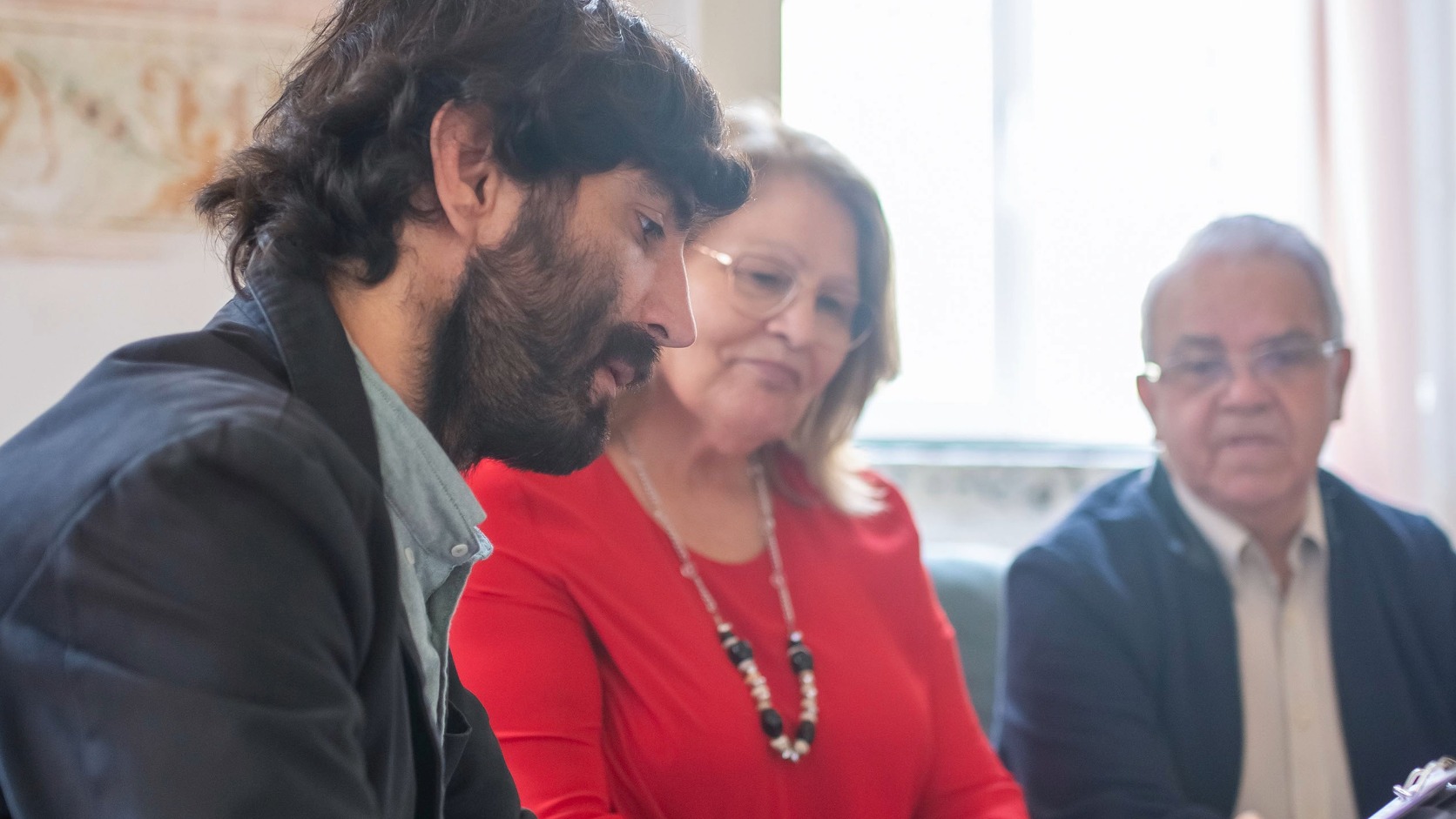
The clinic’s momentum owed a lot to Proyecto Rescatando Amor, a local rescue group that turned outreach into outcomes. Their team spread the word ahead of time, handled registration, assisted with animal handling and recovery, and kept the site orderly. Key organizers Alma and Alejandra coordinated the moving parts. At the same time, Pilar, Liliana, Adalys, Erica, Sabrina, and Cristian worked the floor—checking in animals, guiding owners, and ensuring a calm and clean recovery environment.
Why these clinics work
High-volume spay and neuter events succeed when three things align: access, trust, and follow-through. August’s clinics checked all three boxes.
Access came from location decisions that favored neighborhoods over distant facilities. School campuses are centrally located, easy to find, and familiar to families. That lowers friction for people who rely on public transport or walking.
Trust grew out of continuity and community ties. In Valle Dorado, residents know the routine and the volunteers. In Campestre de Cañadas, local rescuers vouched for the effort and stood shoulder-to-shoulder with the veterinary team, which helped first-time participants feel comfortable.
Follow-through showed up in the details—clear pre-op instructions. Calm recovery spaces. Volunteers who explained post-op care in plain language and stayed until the last pet went home. These are the small decisions that reduce complications, build confidence, and encourage neighbors to bring the next animal in line.
The month’s takeaway
August did not feature splashy numbers or social-media spectacle. It delivered something more durable: clinics that ran at capacity in one neighborhood and took root in another. Valle Dorado confirmed a proven model. Campestre de Cañadas demonstrated that the same model travels well when local partners are given fundamental roles and responsibility.
None of this happens without people. The consistency of volunteers like Osiris, Cynthia, and Miriam is the backbone of repeat success. The energy of Proyecto Rescatando Amor—Alma, Alejandra, and teammates—turned a first-time clinic into a community event. And the families who carried in kennels at dawn and waited through recovery did the work that counts most.
PEACEAnimals will return to these neighborhoods. When it does, it will find pet owners who now know what to expect, children who understand why sterilization matters, and partners who can stand up an efficient, welcoming clinic in familiar spaces. August proved, again, that when care goes to the community—in places people already trust—pets get the services they need, and neighborhoods become safer and healthier for it.