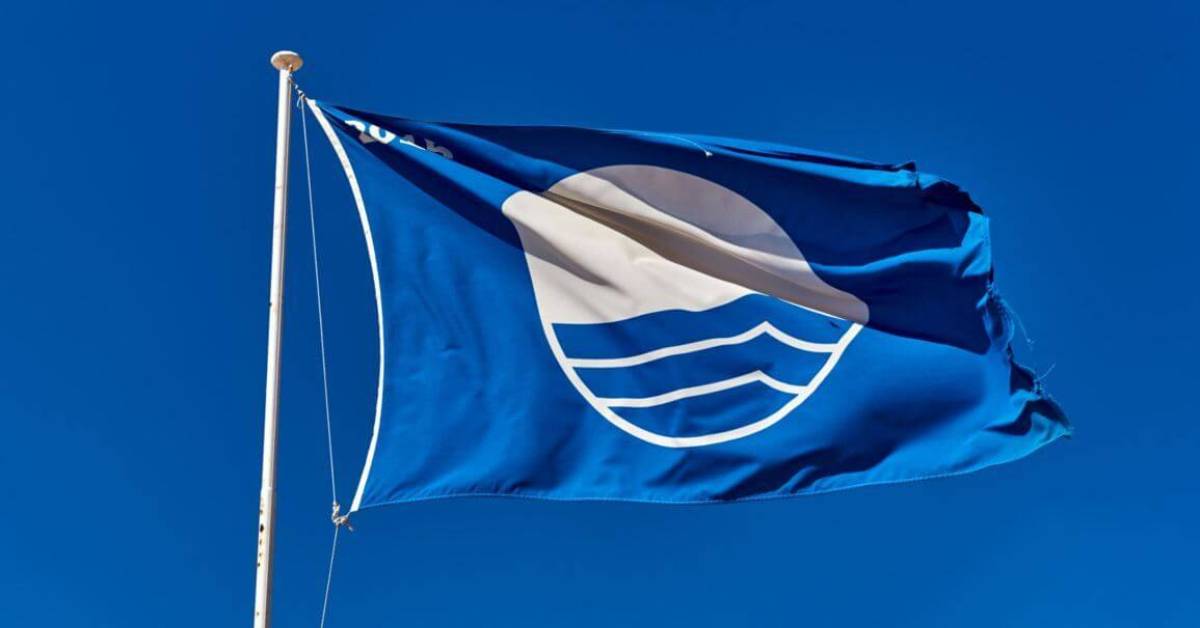
Camarones Beach raised the Camarones Beach Blue Flag today after months of work on cleanliness, safety, and oversight. The move comes weeks after federal testing flagged Camarones as “not suitable” at the start of summer due to elevated fecal bacteria, a warning that rattled locals and visitors. Here is what changed, why the flag matters, and how travelers can check real-time water status before getting in the ocean.
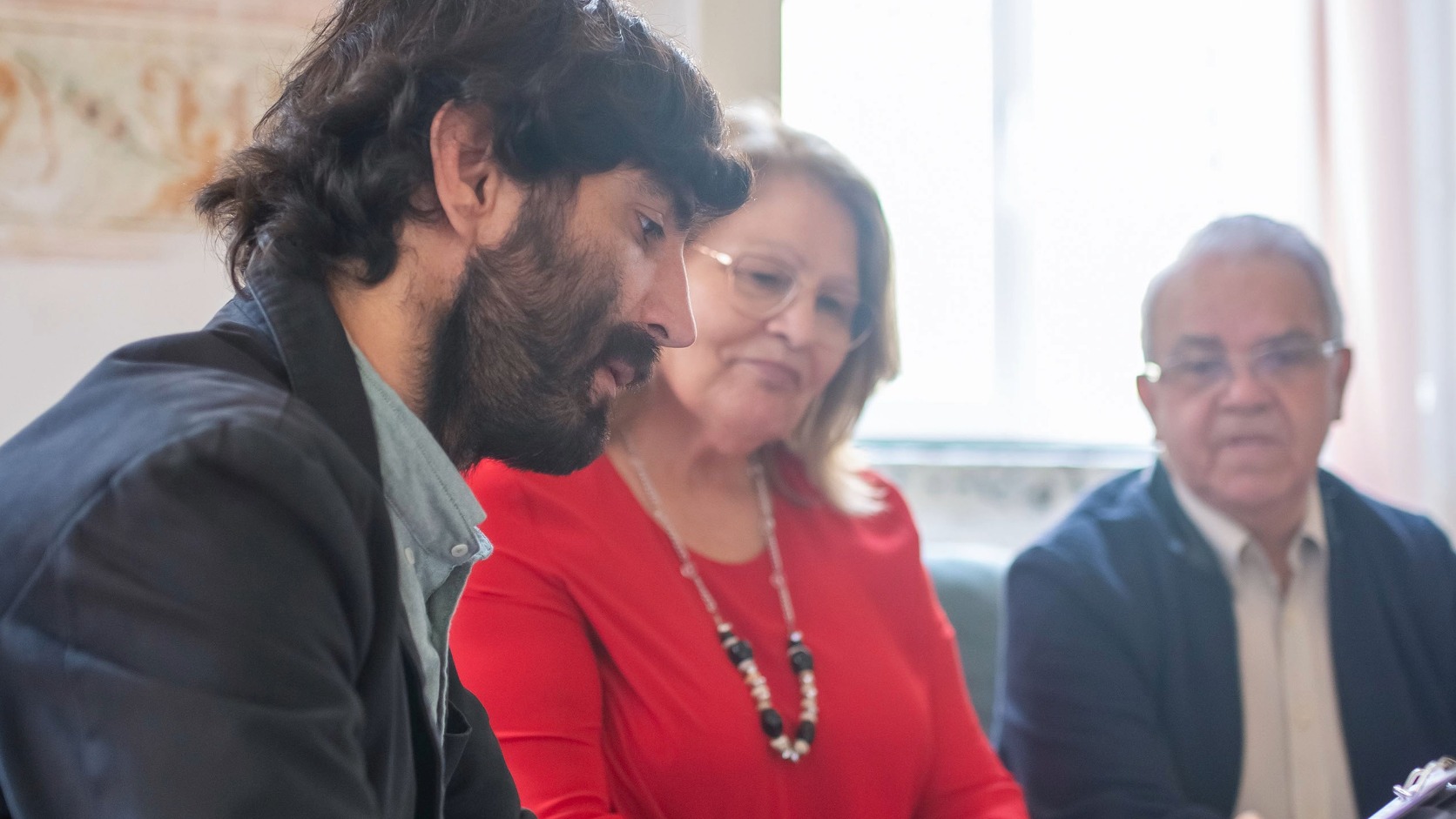
Puerto Vallarta, Jalisco — August 25, 2025. Camarones Beach raised the Blue Flag today, restoring one of Puerto Vallarta’s most visible quality seals for a shoreline that locals rely on and visitors love. The award was delivered by the Mexican representative of the Foundation for Environmental Education (FEE) during a city event led by Mayor Luis Ernesto Munguía González. City channels and local outlets had trailed the ceremony for this date.
Camarones Beach Blue Flag marks a reset
Blue Flag is a global eco-label for beaches, marinas, and tourism boats. Sites must meet strict standards on water quality, environmental education, management, safety, and accessibility, and they must keep those standards every day of the season. It is awarded one season at a time and can be withdrawn if the criteria slip.
The win matters for Vallarta’s image and for beach users who watch water quality closely. After a pandemic-era dip and recent budget strains, officials and hoteliers have tried to rebuild the city’s Blue Flag footprint. FEE Mexico and local press said Puerto Vallarta would hold four Blue Flags this 2025–2026 season, with Camarones joining hotel-front beaches at the Sheraton, Marriott, and Westin.
What changed after summer warnings
The timing is striking. In July, Mexico’s health regulator Cofepris listed sixteen beaches nationwide as not suitable for recreation, including three in Puerto Vallarta: Mismaloya, Cuale, and Camarones. Camarones registered 211 enterococci per 100 ml, above the federal threshold of 200. Those alerts were published just before the summer rush.
Today’s raising of the flag suggests corrective work paid off: intensified cleanups, better waste handling upriver, and tighter daily checks by municipal crews and nearby businesses. Quadratin Jalisco, reporting from the ceremony, emphasized that the same beach flagged as unsafe at the start of the holidays now meets international norms and has the Blue Flag back. That arc—warning, mitigation, verification, certification—is precisely how the system should work.
What Blue Flag does—and does not—guarantee
Blue Flag demands “excellent” water quality across the season, routine sampling, and rapid response when results deteriorate. It also requires clear public information on the beach, from water results to emergency protocols and access for people with disabilities. Those obligations are enforceable; flags can be lowered if the criteria are not met.
But no beach is static. Heavy rains, sewer overflows, river plumes, broken pumps, or crowded weekends can cause a site to become non-compliant for a time. That is why the program’s value is not the cloth on the pole—it is the daily maintenance and transparency that comes with it.
Puerto Vallarta aims to rebuild its roster
Vallarta’s Blue Flag map has shifted over the past few years as some sites lost and others regained status. This season’s target is four certified beaches: the hotel fronts at Marriott, Westin, Sheraton, and the newly recovered Camarones. City and tourism sources have also talked up broader efforts to certify or re-certify additional shores over the 2025–2026 window, part of a push that began in spring.
For City Hall, today’s ceremony is a timely win. Mayor Munguía has promoted visible projects on access, services, and cleanliness along the coast, while facing sharp scrutiny on basic services. Re-securing Blue Flags is a small, measurable yardstick the public can check in person.
What travelers should know now
If you swim at Camarones in the coming weeks, look for the information board and the Blue Flag code of conduct. Ask lifeguards about conditions when the swell is up. If you see murky runoff after a downpour, choose a pool or postpone the swim until the sea clears. When residents and businesses keep trash out of storm drains and rivers, water readings improve fast—and the beach stays open.
Certification is a headline, but the follow-through is the story. For Camarones, that story now includes a hard lesson from July’s data and a visible turnaround by late August. Suppose the city wants to regain its old reputation as a leader in certified beaches. In that case, it will need to keep that daily discipline—across Camarones and the hotel fronts that share the sand with residents and visitors alike.