The sea won this round. After Hurricane Priscilla sent pounding surf into Puerto Vallarta’s north shore, the Boca de Tomates turtle camp says roughly 300 protected nests—about 30,000 eggs—were lost as hatcheries and equipment were destroyed. The camp’s leader called it a natural disaster that wiped out up to two months of hands-on conservation work. City officials are now coordinating support, and the team will soon invite the public to help—once the beach is safe. For now, they’re counting losses and planning a comeback.
Boca de Tomates turtle camp heavy losses
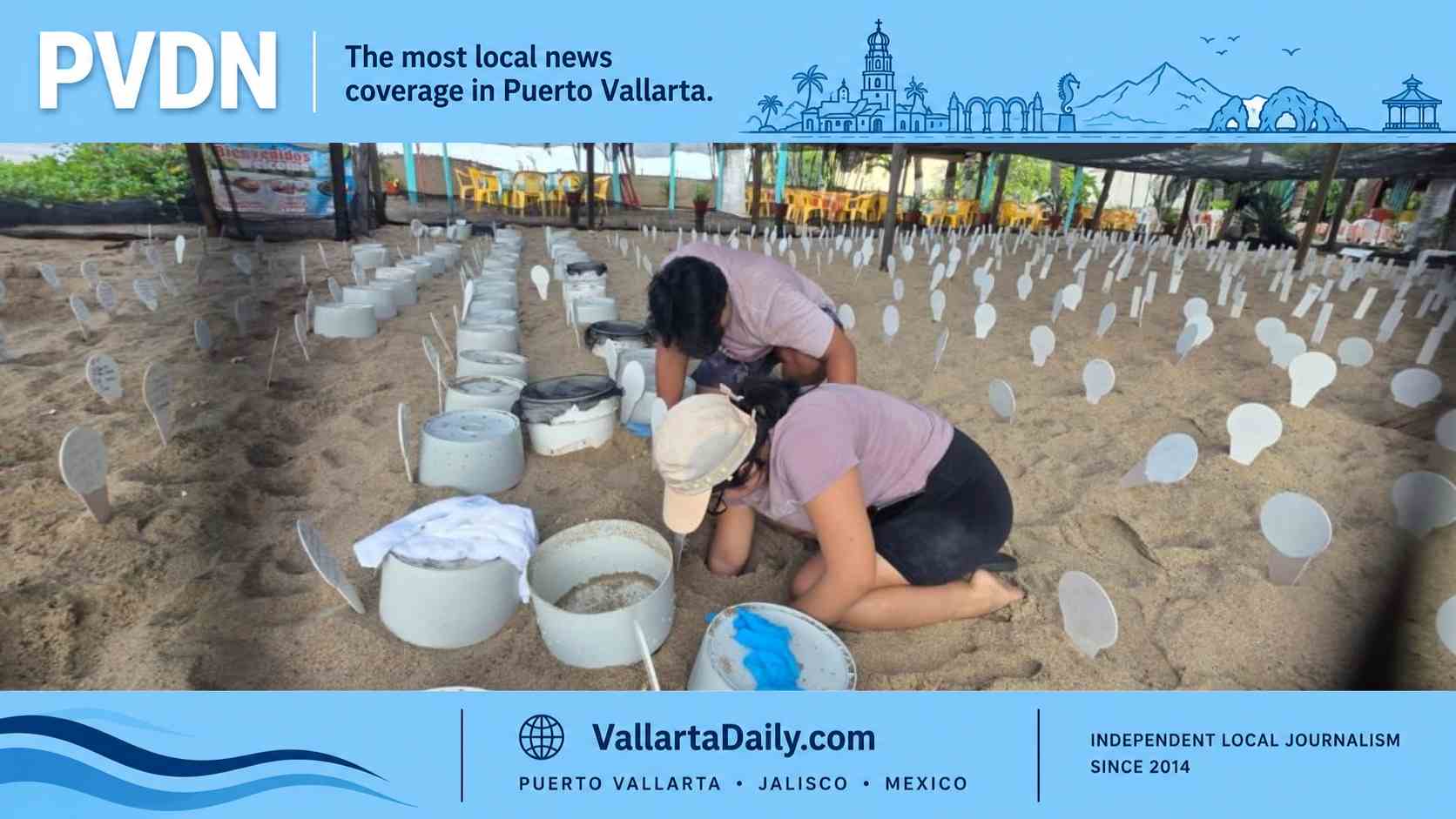
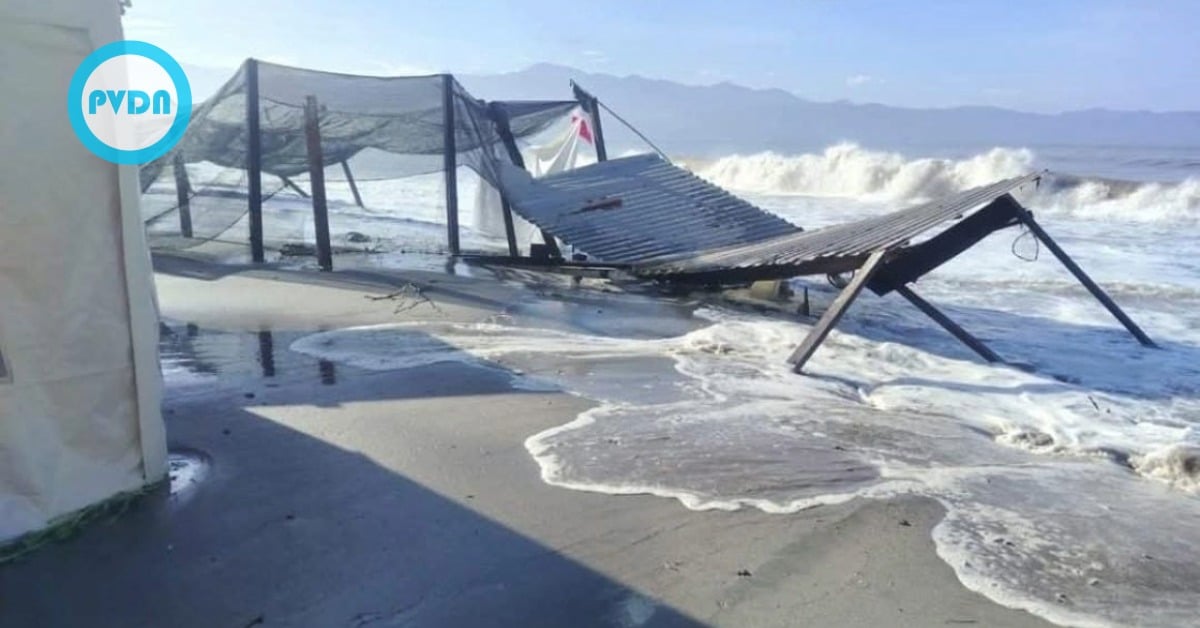
The most vulnerable thing on a beach isn’t a palapa or a boardwalk. It’s a shallow clutch of turtle eggs, no match for storm-driven waves. After Hurricane Priscilla churned high surf into Bahía de Banderas this week, the Boca de Tomates turtle camp in northern Puerto Vallarta reported a near-total loss of its protected nests: about 300 nests—close to 30,000 eggs—along with shattered hatcheries, damaged huts, and ruined tools and supplies. Camp manager Carlos Hernández said the team lost one-and-a-half to two months of work and its primary funding stream from public releases.
Priscilla’s outer bands never made landfall here, but they didn’t have to. Along Jalisco’s coast, waves up to four meters pushed stones onto the Malecón and flooded low-lying streets and businesses—conditions consistent with what Boca de Tomates faced at the river mouth and open beach. National coverage throughout Wednesday tracked the storm’s weakening, but also warned of persistent swells and onshore winds capable of damaging fragile coastal setups, such as turtle hatcheries.
What the loss means for Boca de Tomates turtle camp
Conservation teams plan for predators and poachers. They can shift nests at risk and fence hatcheries. They can’t tame storm surge. Hernández said that some nests were reburied by sand, yet likely suffered thermal shock, cutting their survival odds further. Material losses exceed 25,000 pesos for incubation pens alone and don’t include destroyed coolers, tools, or volunteers’ personal items. The city has begun coordinating aid and even offered hatchlings for future public releases to restore a key source of small-donation revenue while the camp rebuilds.
The timing hurts. Banderas Bay’s nesting and release activity runs through late summer and fall, with olive ridleys the most common visitors. Public releases typically peak from August into December—prime months for community education and fundraising that keep grassroots camps alive. Mexico protects all sea turtle species; seven of the world’s eight species nest on its shores, including the Ridley, Hawksbill, and Green turtles seen on the Jalisco-Nayarit coast.
What happens next on a beach still shifting
By midday on Wednesday, Priscilla weakened to a tropical storm off Baja California Sur, but forecasters continued to warn about lingering swells and rough currents. Local authorities have urged people to avoid beaches until conditions stabilize. Boca de Tomates staff said they will only ask for volunteers when the site is safe, as the estuary mouth is open and currents are treacherous. Once they give the green light, the ask will include financial, in-kind, and hands-on help to rebuild corrals and replace essential kit.
The camp has spent more than a decade releasing thousands of hatchlings into the surf while teaching locals and visitors about the importance of those evening releases. This week, the beach took back what the team had worked so hard to save. The next chapter will depend on how fast the community rallies—and how soon the sea calms enough for people to step in and start again.