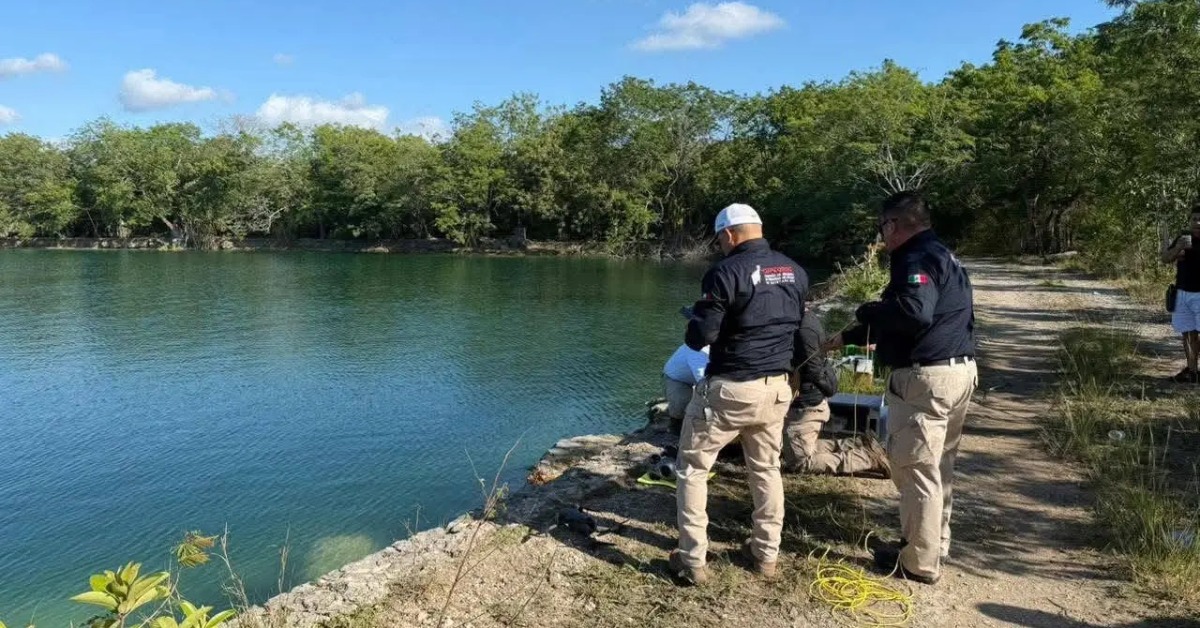
A lagoon promoted on social media as a hidden place to swim is now at the center of a public safety warning in Cancún. After the death of a 14-year-old, municipal Civil Protection officials say Laguna ABC is not a beach, not a public recreation area, and not equipped for visitors. The warning also raises a wider concern for families: how easily informal swimming spots can appear safe until something goes wrong.
Cancún Lagoon Warning Raises Questions
Cancún authorities are warning residents not to enter Laguna ABC after the death of a 14-year-old boy at the site.
Municipal Civil Protection officials said the lagoon is not a recreational area and should not be treated like a beach. The site is privately owned and lacks basic safety measures for swimming or kayaking.
Officials said the area lacks lifeguards, warning signs, rescue staff, and visitor controls. Those are the kinds of safeguards people expect at public beaches or authorized swimming areas.
The warning comes after the teen drowned during an outing at the lagoon, also known locally as Laguna San José. Emergency teams searched the area before the body was recovered.
Officials say the lagoon was never meant for swimmers
Authorities said Laguna ABC was formed after past extraction work for construction material. Over time, the excavation site filled with water and became an informal swimming spot.
That history matters because these sites can have uneven depths, poor visibility, and hidden hazards. They may look calm from the shore, but conditions can change quickly once someone enters the water.
Civil Protection officials said people have continued entering the property through side routes and unpaved access points. Some of those routes have reportedly been shared on social media.
The agency also criticized online videos that promote visits to the lagoon. Officials said those posts can encourage people to enter a place that is not prepared to receive visitors.
A private site with public safety concerns
Because the lagoon is on private property, municipal officials said they cannot place permanent public safety staff there as they would at a public beach. Authorities said they are speaking with the owners about better control of access points.
The main entrance is reportedly restricted and has private security. Even so, officials said some people continue to reach the water through informal paths.
The concern is not limited to one lagoon. Officials said similar problems have been seen in other areas not approved for recreation, including parts of Kuzamil.
For families in Cancún, the warning is practical. A place can be well known locally and still be unsafe for swimming. It can also be widely shared online without being legal, supervised, or prepared for emergencies.
Why unsupervised water sites are dangerous
Unsupervised lagoons, old quarries, and informal swimming holes can be risky even for strong swimmers. The danger often comes from what people cannot see.
Depths may drop without warning. Mud, rocks, branches, or debris can trap someone underwater. Murky water can also make rescue work harder.
Public beaches usually have clearer safety systems. These may include flags, lifeguards, posted rules, and faster emergency response. Informal sites often lack these protections.
Health and safety agencies also warn that drowning can happen quickly and quietly. Children and teenagers need close supervision around water, even when they know how to swim.
Parents urged to choose authorized areas
Cancún officials urged parents and young people to avoid unauthorized swimming areas. They recommended using public beaches and spaces that have rescue personnel on site.
For residents and visitors, the message is straightforward. A body of water should not be considered safe just because other people are using it.
Before entering any lagoon, cenote, quarry, or remote beach, people should look for signs, lifeguards, legal access, and emergency support. If those are missing, the safer decision is to stay out of the water.
The death at Laguna ABC is now part of a wider discussion about informal recreation areas in Cancún. Authorities are asking the public not to treat hidden or viral locations as safe destinations.