A turtle that fits on a thumb cracked its egg in Guadalajara, and with it came a plan to save a species. The Casquito—also known as the Vallarta turtle because it exists only around Puerto Vallarta—hatched at the Guadalajara Zoo after a 121-day incubation. Keepers logged every step, from temperature settings to first feeds. Why does that matter beyond one hatchling? Because this species is down to a tiny wild footprint and intense trafficking pressure. Our report explains the science, the law, and what comes next.
Casquito hatches in Guadalajara and shifts the odds for a species
The Guadalajara Zoo confirmed a first for Mexico: a Casquito (Kinosternon vogti) hatched under professional care inside its herpetarium. Staff say the egg pipped on Monday, June 30, after roughly 121 days of incubation, and the neonate began feeding in mid-July on water fleas before moving to mealworms, shrimp, and a formulated gelatin. The zoo emphasized that this was not a lucky break but the result of trained staff, new facilities, and documented protocols.
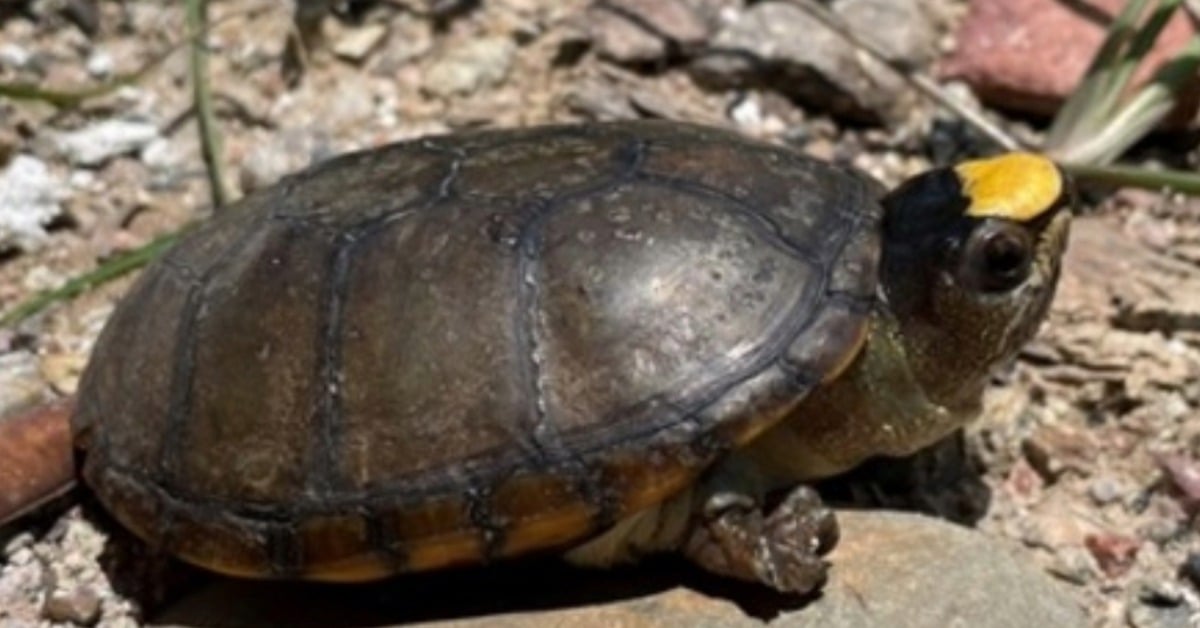
The Casquito is sometimes called the Vallarta turtle because it is native to Puerto Vallarta and the surrounding Ameca River valley. It is a micro-endemic turtle, the world’s smallest freshwater turtle, and it lives in flood zones and shallow lagoons pressed into a modern city. Males show a distinctive yellow rostral shield—the “little helmet” that inspired the local name.
Casquito Guadalajara Zoo
Zoo leaders framed the hatch as a conservation milestone. The parents were rescued from threats in the wild and placed at the zoo at the request of environmental authorities. The team says the method is meant to be replicable so other institutions can establish safety-net populations while local actors repair habitat. That approach matches how modern zoos work with species that have pin-sized ranges and heavy trade pressure.
A turtle pinned between concrete and demand
Biologists and local groups locate the species in a handful of sites around Puerto Vallarta, including Estero El Salado and the Laguna del Coapinole. Its wild footprint is measured in only a few dozen hectares. That is why a single successful hatch in care matters: it buys time while habitat is secured and restored.
The wild population is frequently cited as under 500 individuals, and attention has drawn collectors. This month, images of a Casquito surfaced in Japan, a reminder that even obscure species travel fast on the black market. The CITES conference moved the species into Appendix I, cutting off international commercial trade and signaling that enforcement needs to match demand.
What the lab work tells us
The zoo’s husbandry notes match what researchers have been building since the species was described. Temperature and humidity control, along with early feeding cues, are critical in kinosternid turtles. Guadalajara’s team says it will publish a step-by-step protocol so partner institutions can repeat the result. That fits the science-first tone of the original description and later studies that flagged the male’s yellow rostral shield and the species’ tiny adult size as key identifiers.
Theft, enforcement, and the path back home
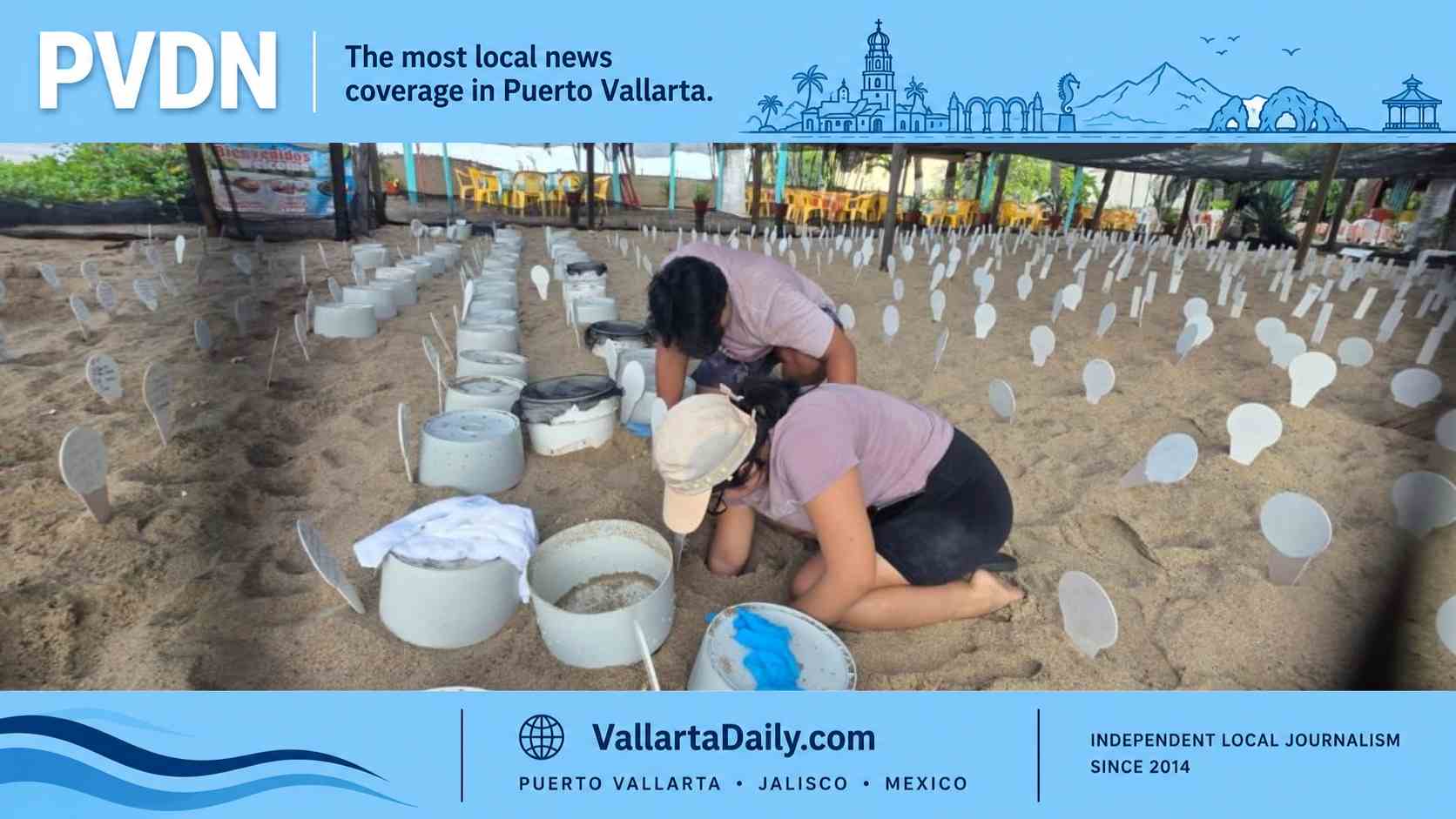
Security is part of the story. In December 2024 and January 2025, thieves struck a university conservation colony in Puerto Vallarta; authorities later announced an arrest connected to the December heist. The incident spurred calls for tighter controls and reinforced why ex-situ safety populations matter.
Longer term, recovery hinges on water and space. The Casquito needs shallow wetlands that flood and recede with the season. Estero El Salado and nearby lagoons can anchor reintroduction plans if inflows are protected and new refuge ponds are engineered where development has severed natural hydrology. Groups working in Vallarta describe only four known sites totaling under 25 hectares, a scale that makes each square meter count.
Why the name matters
Locals know the species as Casquito. Scientists and conservationists also use the Vallarta turtle to anchor it to a place. Both describe the same animal, a Jalisco native that exists only in and around Puerto Vallarta. Naming it clearly helps readers follow the story and allows residents to see that this is their turtle and their wetlands.
For now, the Guadalajara hatchling is a proof of concept. It shows that careful incubation and neonatal care can move the species away from the cliff’s edge while the city works on habitat. The test ahead is scale: more eggs, more partners, and more wet places to come home to.