A shrinking mirror of water at Coapinole Lagoon has reignited concern in Puerto Vallarta, but the message from environmental specialists is more complicated than it first appears. The lagoon’s dry-season drop is not being treated as an immediate collapse, yet officials are also pointing to older problems that cannot be solved with buckets, hoses, or food scraps. The full story explains what is natural, what remains unresolved, and what well-meaning visitors should stop doing.
Specialists warn against improvised help at Coapinole Lagoon
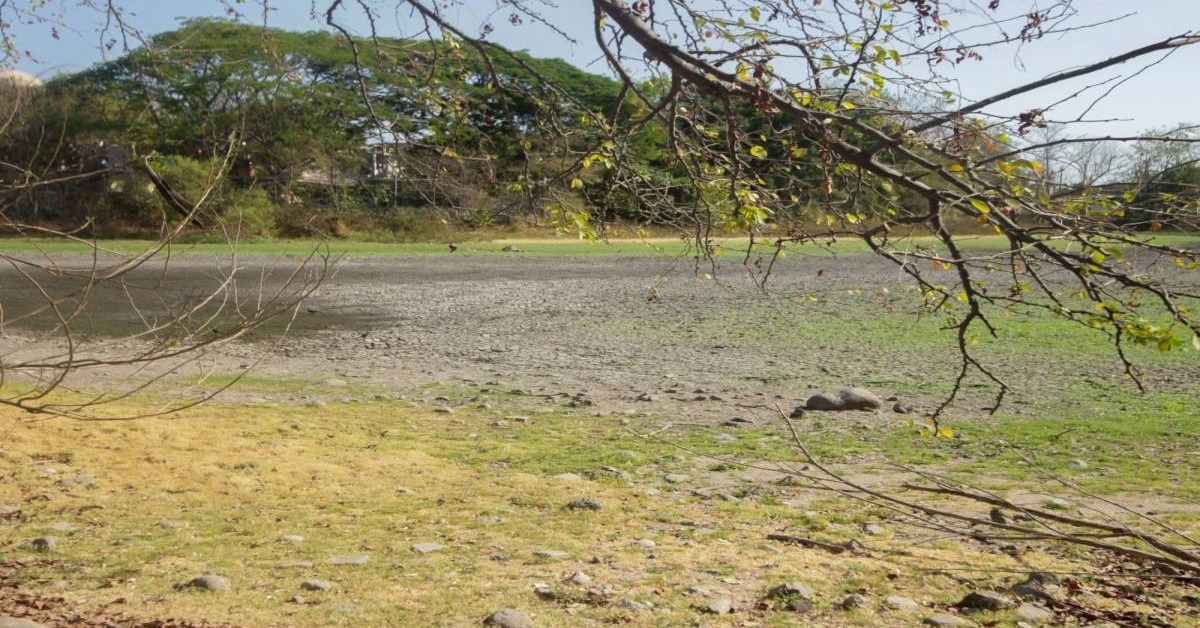
Puerto Vallarta environmental specialists are urging people not to pour water into Coapinole Lagoon, feed animals, or interfere with the perimeter fence, as the urban wetland is experiencing low water levels during the dry season.
The warning follows public concern over the lagoon’s reduced surface water. A June 1 municipal communications listing identified the situation as a low-water period at Laguna del Coapinole, not an extraordinary environmental crisis.
The distinction is important because the lagoon looks distressed. Specialists say that does not mean the best response is to add water, leave food, or move wildlife.
Roberto Ornelas, Puerto Vallarta’s director of Environmental Sustainability, said the lagoon responds to the normal rhythm of rain and drought, according to a current environmental explanation of the site’s condition. The region is still in the hot, dry part of the year, when shallow urban wetlands can lose much of their visible water.
Sebastián Flores, a biologist with Estudiantes Conservando la Naturaleza A.C. and a monitor of the Vallarta casquito turtle, said the lagoon’s native species are adapted to this seasonal stress. In translation, he said, “The lagoon is not dying, it just doesn’t look pretty.” He added that water makes it look better, but the current phase remains part of a natural process.
Low water is seasonal, but the lagoon still has problems
The message from specialists is not that everything is fine. It is narrower than that.
The low water itself is being described as part of the dry-season cycle. The deeper concern is the lagoon’s reduced ability to function as a wetland after years of sediment buildup, waste dumping, altered runoff, and pressure from invasive species.
Local coverage of the meeting said Ornelas plans to ask the Secretaría de Medio Ambiente y Recursos Naturales for authorization to carry out a desilting program at the lagoon. Federal permits are required before that kind of work can move forward.
That is where public concern and the technical response diverge. Adding water may create the impression of rescue, but it does not clear sediment, restore natural runoff, or resolve the imbalance between native turtles and invasive animals.
The municipality and specialists also warned against throwing garbage, branches, yard waste, or other material into the wetland. Those materials contribute to the same sedimentation problem that has reduced the lagoon’s storage capacity.
The turtle problem is part of the larger fight
The lagoon is tied to the survival of the Vallarta casquito turtle, also known as the Vallarta mud turtle. The species has become one of Puerto Vallarta’s smallest environmental tests because its remaining habitat sits inside a city that keeps expanding.
Previous Vallarta Daily coverage of Coapinole Lagoon drying noted concerns over the wetland’s shrinking water levels and pressure on endemic and migratory species. A separate Vallarta casquito turtle sanctuary proposal at Laguna Tami showed how the city’s freshwater habitat questions now reach beyond one lagoon.
At Coapinole, specialists said native reptiles can enter estivation, a heat- and drought-response that allows them to remain inactive in the mud for extended periods. The process is similar in function to hibernation but occurs under hot, dry conditions.
Flores said the animals seen struggling are more likely to include invasive species, especially the red-eared slider, known locally as tortuga de orejas rojas. That species has been introduced into the lagoon and competes with native turtles.
He also said ducks seen at the site are domestic, not wild, meaning someone likely abandoned them there.
Restoration work depends on permits and technical planning
The lagoon’s long-term repair has been discussed before.
In a 2025 ecohydrological restoration proposal, the municipal environmental official, Bartolo Cruz Romero, described the lagoon as an intermittent body of water that dries out repeatedly. He said the project needed “concepts and methodologies from ecology and hydrology” because the site does not behave like a permanent pond.
That proposal called for a hydrological diagnosis, restoration of surface runoff, sediment evaluation, wildlife recovery, and management of invasive species. Cruz also said planners needed to determine how much sediment could be removed and where the impermeable layer lies beneath the lagoon.
Those details explain why improvised help can create new problems. A wetland restoration project has to account for water flow, soil, species behavior, permits, and timing. It cannot be replaced by carrying water to the edge of the lagoon.
The municipality is also considering a cleaning day and fence repairs around World Environment Day on June 5, according to the current environmental explanation. The fence is intended to reduce turtle-related accidents and limit direct disturbance at the site.
What people are being asked not to do
The warning from officials and biologists is direct. Do not add artificial water to the lagoon. Do not feed the wildlife. Do not damage the fence. Do not dump trash, branches, pruning waste, or food.
Food can change animal behavior and attract species that do not belong there. Water added without technical planning can disturb the seasonal process without fixing the cause of the low-water condition.
The lagoon is expected to recover visible water with the first rains. Flores said the first several storms should begin restoring the lagoon’s water surface.
Until then, the city’s position is that Coapinole Lagoon needs controlled conservation work, not spontaneous rescue efforts.