Puerto Vallarta, crocodiles, wildlife, habitat loss, tourism, beaches, estuaries
Crocodiles are increasingly spotted swimming along Puerto Vallarta’s busiest beaches this rainy season. Discover why habitat loss and urban growth are driving these reptiles into tourist zones and learn which “crocodile beaches” to avoid.
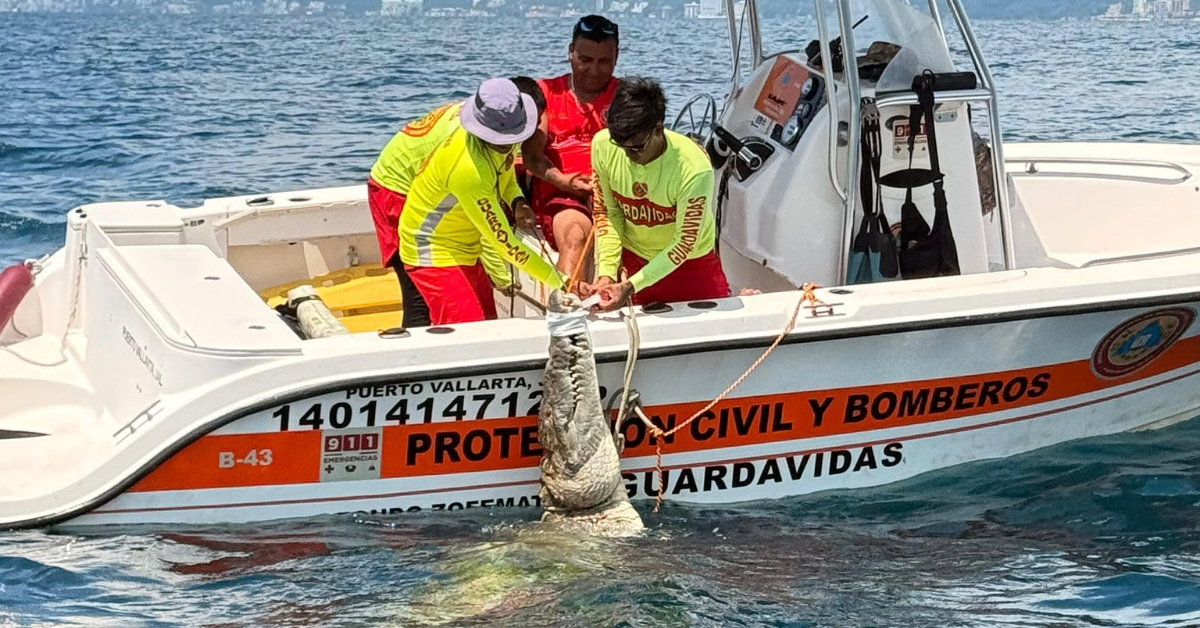
As the rainy season brings higher water levels to rivers and estuaries, residents and visitors of Puerto Vallarta are witnessing a growing phenomenon: crocodiles swimming along the shorelines of its busiest beaches. From Playa de los Muertos to Marina Vallarta, these ancient reptiles are turning up in places once thought safe for sunbathing and swimming.
Rainy Season Drives Movement
Heavy rains recharge estuaries, lagoons and river systems, creating new waterways for crocodiles to traverse. “The rainy season opens up new corridors,” explains Dr. Pablo Hernández Hurtado, technical manager of the Cipactli reptile house at the University of Guadalajara’s Coast Center. “Crocodiles use these fresh channels to seek feeding and breeding grounds.” When those waterways dry up later in the year, the animals often find themselves searching for new habitats.
Urban Growth Shrinks Natural Habitat
Beyond seasonal shifts, decades of urban development have eaten into wetlands and estuaries. Since the 1960s, construction of Puerto Vallarta’s airport, Marina Vallarta and resort complexes has replaced mangroves and marshes—prime crocodile territory—with concrete and asphalt. “We’ve squeezed these reptiles into ever‑smaller pockets,” Hernández Hurtado says. “When they move, they must navigate the bay or venture into urban areas.”
Local observers point to large developments like Vidanta near the Ameca River as flashpoints. The resort’s footprint has altered drainage patterns and reduced the width of the Boca Negra estuary, pushing crocodiles into adjacent beaches and waterways.
Where You’re Most Likely to See Them
Authorities now warn swimmers to steer clear of designated “crocodile beaches,” where sightings are most frequent:
- Estero El Salado: Once a sprawling estuary, now hemmed in by houses and hotels.
- Boca de Tomates Beach: Directly beside the Ameca River mouth. Fencing keeps visitors separated from a natural crocodile viewing zone.
- Marina Vallarta & Hotel Zones: Reptiles use the marina canals to slip between the bay and shoreline.
- El Cora Crocodile Sanctuary (Nayarit): A protected habitat offering guided tours.
- Holly, Oro and Flamingos Beaches: Near the Pitillal River mouth.
- Cuale River Mouth (Romantic Zone): A popular riverfront spot south of downtown.
Civil Protection reports most appearances occur at dusk and overnight—and not just on land. It’s becoming common to see these reptiles swimming just beyond the surf line, cruising the water’s edge in search of prey or safe resting spots.
Staying Safe
Though crocodiles typically flee at the sight of humans, they remain wild animals capable of defensive aggression. Experts advise:
- Keep your distance. Never attempt to feed or harass a crocodile.
- Stay alert at dawn, dusk and night. These are peak activity times.
- Supervise pets closely. Dogs and cats may provoke a defensive response.
By understanding the forces—seasonal flooding and relentless development—driving crocodiles from their shrinking wetlands, beachgoers can take sensible precautions. And for those who crave the thrill of spotting wildlife, local sanctuaries like El Cora offer safe, guided encounters that won’t endanger either human or reptile.