A night meant for football ended in a tragedy now gripping Mexico City. A Cruz Azul supporter died after being restrained by security at the Olympic Stadium in Ciudad Universitaria. Prosecutors have opened a criminal investigation, and four UNAM workers are under scrutiny, while the family says he was beaten, and a private autopsy points to asphyxia. UNAM says the fan was intoxicated and collapsed en route to the authorities. With videos surfacing and crowds chanting for justice, every minute now matters for accountability.
Cruz Azul fan death
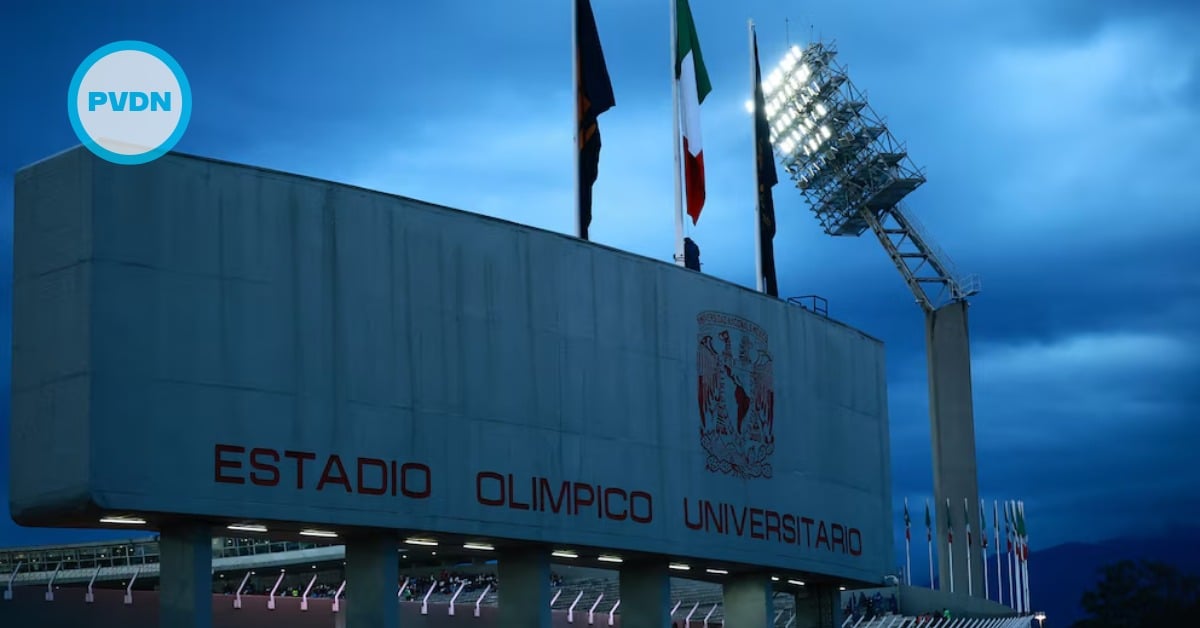
The Mexico City Attorney General’s Office has opened a criminal investigation after a Cruz Azul supporter died following a confrontation with stadium security at the Olympic Stadium in Ciudad Universitaria late Saturday, October 25. The fan—identified by relatives as Rodrigo Mondragón—was detained in the stadium’s parking area after the Cruz Azul vs. Monterrey match and later pronounced dead in the early hours of Sunday, October 26.
By Monday, October 27, authorities confirmed that four university personnel were under investigation in connection with the case. UNAM said it asked Mexico City’s security and prosecutor’s offices to intervene and pledged to provide all video evidence requested by investigators.
Accounts diverge sharply on what happened between the final whistle and the moment Mondragón stopped breathing. Family and friends allege he was violently subdued by personnel linked to UNAM’s protection and security area. UNAM’s account says he was intoxicated, disrupted operations, and “collapsed” while being taken to authorities. Those competing narratives—and the minutes in between—are now the core of the probe.
What we know and what’s disputed
La Jornada first reported that prosecutors in the capital had opened a case after Mondragón was restrained by stadium personnel. The paper said the incident occurred shortly after the match ended, around 11:30 p.m., and noted that four individuals were under investigation as the ministry gathered evidence.
A day later, Proceso reported that the same number of university workers were under scrutiny by the prosecutor’s office. That tracked with UNAM’s statement that it had requested the intervention of city authorities and would cooperate.
Relatives and friends, meanwhile, shared a different version—and some visuals. Clips circulating online show a man surrounded by uniformed personnel next to a white vehicle; during the scuffle, a staffer in a red jacket appears to strike the detainee’s legs while others try to push him into the truck. The video has become a key piece of evidence for investigators and the family’s lawyers.
El País reported that relatives commissioned a private autopsy that points to asphyxia and head trauma, a finding that, if confirmed by the official necropsy, could directly challenge the “sudden collapse” narrative. The outlet also documented how loved ones spent hours seeking answers before learning of the death, and how fans later protested outside the prosecutor’s office, demanding justice.
UNAM insists it has handed over “all requested video” to prosecutors and says it will help determine responsibilities. MediaTiempo likewise reported UNAM’s cooperation and noted that city security officials had detained four people following the incident.
Accountability now moves to the minutes that went missing
This story is now about the chain of custody and the chain of decisions. Cruz Azul fan death is more than a headline—it is a test of how Mexico City handles force inside and around its biggest sporting venues. Which orders were given, by whom, and when? Why was Mondragón’s status unclear to the family for hours? And did responders follow protocol once he “collapsed,” as UNAM states, or was he already in medical distress due to the restraint itself?
Liga MX said its post-match security meeting recorded no incident at the time, underscoring how the alleged violence may have unfolded after the league’s own operation had wound down. Cruz Azul expressed condolences and urged a complete clarification, while noting the event happened outside areas under the club’s control. Those official notes may matter later, but they don’t answer what happened in the parking lot. Only synchronized timelines—from radio logs, camera footage, and paramedic reports—will.
For now, prosecutors have a narrow window to secure the truth: lock down all angles of video, preserve the vehicle used in the detention, record every witness statement, and reconcile autopsy findings—private and official. Anything less will read as a shrug. And a shrug would be an injustice to a man who went to a football match and never made it home.