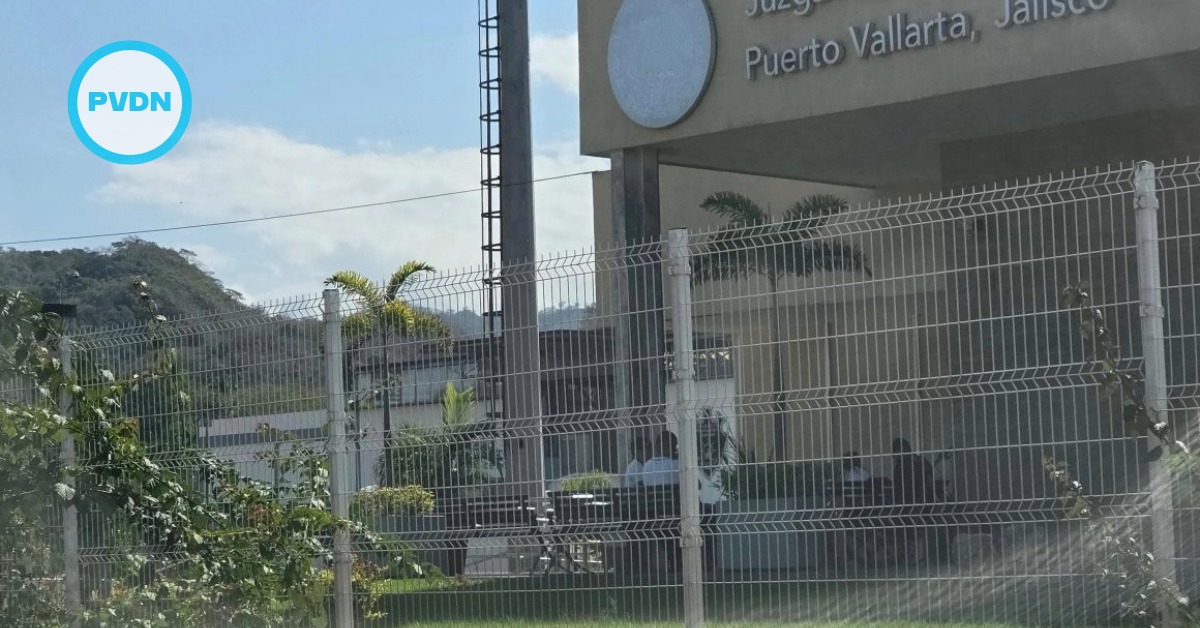
Puerto Vallarta residents are seeing progress in the Clarisa Rodríguez case after weeks of uncertainty. In a packed courtroom, an accused driver known only as Eric “N” faced a marathon hearing concerning Rodríguez’s death. The judge’s decision that followed marks a turning point, formally bringing charges in the fatal incident. Key evidence unveiled in court hints at what might have led to the tragedy, while the hearing’s legal outcome has significant implications for the path to justice.
Formal Charges After Marathon Hearing
After almost ten hours of legal proceedings, a Puerto Vallarta judge has formally charged Eric “N” in connection with the death of 31-year-old Clarisa Rodríguez. The suspect, whose full name is withheld under Mexican law, will face trial on charges of homicide by serious negligence (aggravated negligent homicide) and damage to property stemming from the fatal January car accident. Judge Miguel García Hernández announced the decision late Tuesday, binding Eric “N” over for trial despite the defense’s attempts to dismiss the evidence. As part of the ruling, the judge ordered that Eric “N” remain in preventive custody for up to one year during the ongoing investigation, given the gravity of the allegations and risk factors involved.
Accident Details and Victim Background
The charges revolve around a tragic traffic accident on January 12, 2026, that ultimately claimed Clarisa Rodríguez’s life. Rodríguez, a 31-year-old mother of two and Puerto Vallarta resident, was on her way to an early work shift at a local bakery when the collision occurred. She was driving along Avenida Francisco Medina Ascencio, the city’s main thoroughfare, when another vehicle slammed into her car at high speed. The crash happened near a busy shopping plaza, and the impact was devastating — Rodríguez’s car was crushed, and she sustained severe injuries, including a traumatic brain injury. Bystanders rushed to help, and emergency responders transported her to Clinic 42 of the IMSS (a public hospital), where she underwent intensive treatment. Rodríguez fought for her life in the ICU for two weeks, but on January 26, she succumbed to her injuries, sparking an outpouring of grief in the community.
Evidence of Recklessness Emerges
During the investigation, authorities gathered substantial evidence suggesting the crash resulted from reckless driving. During this week’s court hearing, prosecutors presented 52 pieces of evidence to support the charges against Eric “N.” Expert accident reconstruction reports estimate that the accused was driving approximately 82 km/h (well above city speed limits) at the moment his Kia sedan struck Rodríguez’s vehicle. Notably, investigators found no skid marks at the scene, indicating that no attempt was made to brake before impact. A forensic report also revealed that Eric “N” had alcohol in his bloodstream (around 43 mg/100ml) shortly after the incident, hinting at impairment. Additionally, a witness statement entered into evidence claimed that the driver ran a red light at the intersection of Francisco Medina Ascencio and Fluvial Vallarta just before the collision. These findings led the state prosecutor’s office to reclassify the case from a simple traffic accident to a homicide caused by gross negligence. The fact that the crash occurred adjacent to a popular commercial area was cited as an aggravating factor under Jalisco’s penal code, since it endangered public safety.
Legal Context of the Charges
Under Mexican law, a charge of homicide by serious negligence implies that a death was caused by reckless or preventable actions without intent to kill. It is comparable to an aggravated manslaughter charge in other legal systems. Such offenses carry significant penalties, especially when aggravating circumstances — like excessive speeding, drunk driving, or endangering the public — are proven. In Jalisco, traffic fatalities caused by negligence can lead to years of imprisonment, and the “grave” classification signals that prosecutors are pursuing the maximum consequences available for this case. The inclusion of a property damage charge alongside the homicide count reflects the collateral harm caused by the crash (for example, the total destruction of Rodríguez’s vehicle and any other affected property). By law, Mexican authorities often withhold a suspect’s last name (using an initial “N”) until a conviction is secured, a practice meant to protect due process rights. In high-profile cases like this, judges can impose pretrial detention to prevent the suspect from fleeing or influencing the investigation. Here, the court deemed the allegations serious enough to keep Eric “N” in custody for up to twelve months as the legal process unfolds, rather than allowing provisional release on bail.
Path Ahead and Reactions
With the judge’s ruling in place, the case now moves forward to the trial preparation stage. The court has set a six-month deadline for the prosecution and defense to complete their supplementary investigations and evidence gathering. After this period (scheduled to conclude in mid-2026), a trial date will be set where a verdict will ultimately be determined. Until then, Eric “N” will remain behind bars, ensuring he is present for all upcoming proceedings. The formal charging of Eric “N” marks a significant milestone in the pursuit of justice for Clarisa Rodríguez. For weeks after the accident, Rodríguez’s family and local supporters grew frustrated with what they perceived as a lack of progress. In fact, public demonstrations were held in Puerto Vallarta — including peaceful blockades of a main avenue — to demand action from authorities. That public pressure coincided with the case’s advancement and may have hastened the scheduling of the indictment hearing. Now that charges have been filed, Clarisa’s loved ones are expressing relief. Outside the courtroom, Diego Guadiana, Rodríguez’s husband, said he was satisfied with the judge’s decision and felt hopeful that the full truth would come out in court. While nothing can bring back his wife and the mother of their children, he stated, the family is determined to see accountability and closure through the legal process.
With information from Quadratín Jalisco, Agencia Jafrico, GlobalMedia, Vallarta Hoy, Milenio/Telediario