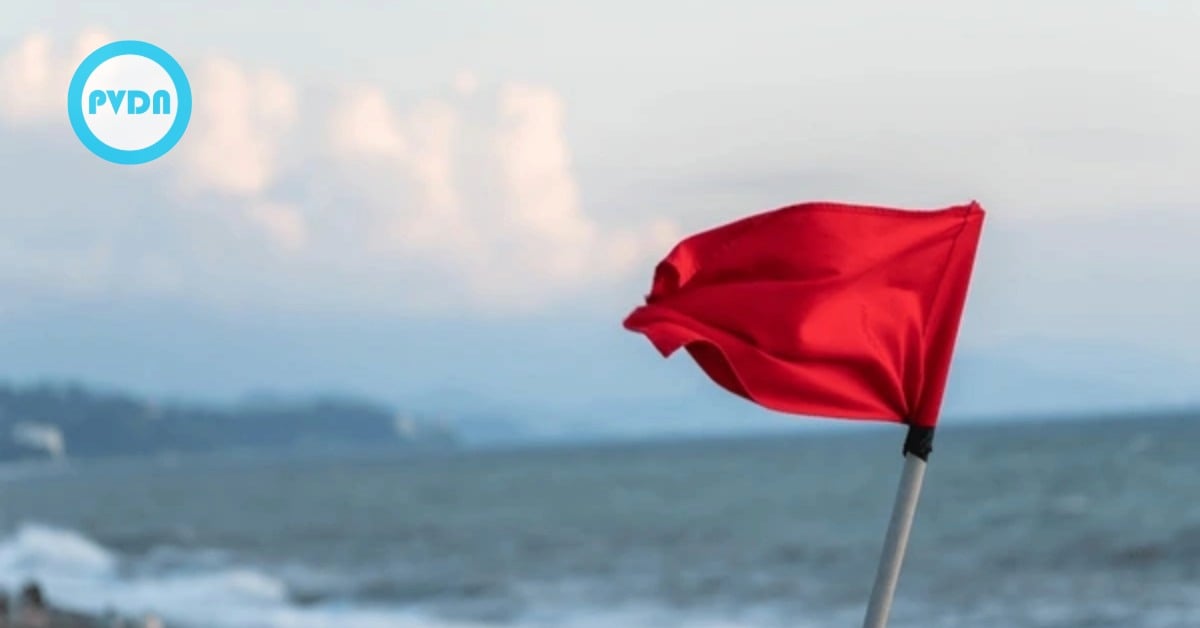
A calm-looking bay can fool you. On Sunday morning, Puerto Vallarta lifeguards quietly changed the shoreline’s mood: four beaches flipped to red as rip currents strengthened, and one of them also posted a purple warning for marine life. Most of the municipality stayed under yellow, but officials urged swimmers to take the color code seriously, especially families and visitors unfamiliar with Pacific surf. Here’s what triggered the alerts, which stretches were affected, and what to do if you get caught in a rip.
Red flags up at four beaches
Puerto Vallarta’s Civil Protection and Fire Department, through its lifeguard division, reported heightened risk along parts of the coastline on Sunday, February 1, 2026, after dangerous rip currents developed at several popular swimming areas. Red flags were raised at Playa Holi, Camarones, Olas Altas, and Conchas Chinas, indicating unsafe conditions for entering the water.
Officials said the municipality’s flag monitoring system is designed to keep residents and visitors informed in real time. Lifeguards maintain constant surveillance along the beaches, watching for shifting surf, stronger pull from the shoreline, and sudden changes that can turn an ordinary swim into a rescue call.
Elsewhere in the municipality, conditions were marked as cautionary rather than closed. Yellow flags were flying at Playa de Oro, Flamingos, the Malecón beachfront, Burros, Los Muertos, Palmares, and Gemelas, meaning the sea was still presenting hazards even where swimming wasn’t fully restricted.
A purple warning at Playa Holi adds another layer of risk
In addition to the red flag, Playa Holi raised a purple flag due to potentially harmful marine life. That combination matters: a red flag already signals a high-risk ocean, and the purple flag adds a second reason to stay alert and think twice before stepping in.
Authorities did not publicly specify what marine life triggered the purple warning, but local advisories use the purple flag as a broad alert for wildlife that can injure swimmers, including stinging or biting marine animals, as well as other hazards that sometimes appear near river mouths and in shifting currents. Holi, known by several spellings in local use, sits near the mouth of the Pitillal River, an area where conditions can change quickly and caution tends to be higher after surf or swell patterns shift.
What the flags mean and how to stay safe
If you’re new to Vallarta’s beaches—or you have visiting friends who assume “the bay always looks calm”—the flag colors are the simplest safety system you’ll get. Yellow means enter with caution and keep your swim conservative. Red means don’t go in. Purple indicates that harmful marine life may be present, and the risk can rise quickly when purple is paired with red.
Rip currents are often the reason the day turns red. They don’t look dramatic. In fact, the dangerous spot can appear smoother than the surrounding water, which is exactly why people drift into trouble. If you feel yourself being pulled away from shore, the key is not to fight straight back in. Try to stay calm, float to conserve energy, and move parallel to the beach to get out of the current before angling back toward shore. If you can’t break free, signal for help and let the lifeguards do the risky part with the right equipment.
The bigger takeaway from Sunday’s update is that the status can change within hours. Wind, swell, and tide can flip a beach from yellow to red while you’re eating lunch. Even if you’ve lived here for years, it’s worth taking ten seconds to look for the flag before you step onto the sand—and another ten to listen if a lifeguard is waving people back.