The Clarisa case has never been only about a deadly crash. It has also been about what happened in the first minutes after it, who acted, who failed to act, and why Puerto Vallarta residents felt forced into the streets to demand answers. Now, a judge has pushed four municipal traffic officers into criminal proceedings, giving the case a new turn. For many readers, especially those outside Mexico, the ruling raises a broader question: how did a single traffic collision become a test of public trust, justice, and official accountability?
What happened in court
Four municipal traffic officers in Puerto Vallarta now face ongoing criminal proceedings in the Clarisa case. Prosecutors say the issue is not the collision itself, but what happened after it. The judge allowed the case to proceed on allegations of abuse of authority and crimes related to the administration of justice.
The court also imposed restrictions while the case moves forward. The officers were ordered not to approach victims or witnesses. They were also barred from returning home, placed under monitoring, and suspended from public duties. That matters because the ruling keeps alive the part of the case that many residents believed was being mishandled from the start.
Why this case became bigger than one crash
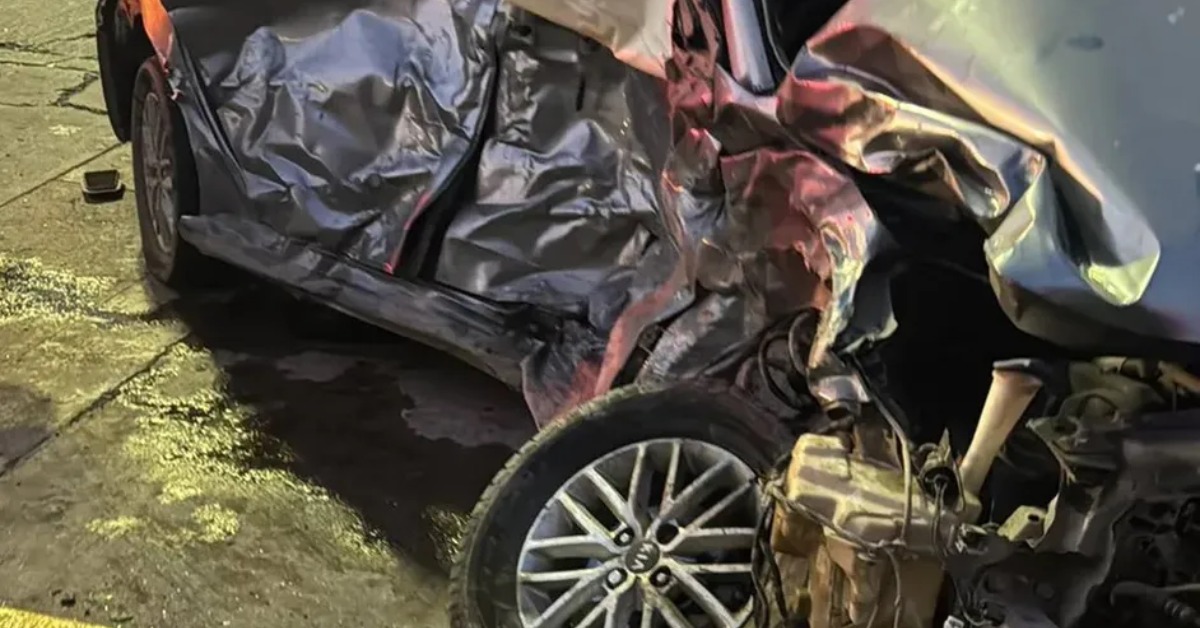
Clarisa was gravely injured in a pre-dawn collision on January 12 at the intersection of Francisco Medina Ascencio and Fluvial Vallarta. She remained hospitalized for more than two weeks and died later that month. The crash shocked Puerto Vallarta, but the public anger that followed was driven by more than grief.
The bigger question was whether authorities failed in the first official response. That concern grew as witnesses alleged they tried to identify the driver at the scene, only to be ignored or pushed aside. For many people, the case stopped being only about a traffic collision and became a test of whether the justice system would examine its own conduct.
Two legal tracks are now moving at once
For international readers, this is the key point. The Clarisa case now has two clear tracks. One focuses on the driver and the crash itself. The other focuses on the conduct of public officials who responded that morning. The new ruling belongs to that second track.
That distinction helps explain why the case has remained so sensitive in Puerto Vallarta. The driver, Eric “N”, already faces his own criminal process tied to Clarisa’s death. The proceedings against the officers do not replace that case. Instead, they address a separate public demand: whether official omissions or irregularities helped compromise the first stage of justice.
How public pressure changed the case
By mid-January, relatives and supporters were already blocking major roads to demand answers. Those protests were not only about punishment. They were also about transparency. Residents wanted to know why no immediate detention had followed and whether the response on the ground met basic standards.
As pressure grew, municipal authorities said the responding traffic officers would be removed from duty while the facts were reviewed. Soon after, anti-corruption prosecutors opened a separate investigation into possible omissions and misconduct. That sequence turned the case into one of the most visible local justice stories of the year and made it harder for officials to treat it as a routine fatal crash.
What comes next
The next phase will test whether prosecutors can prove that the officers’ alleged failures were not just errors, but criminal acts. That may be the hardest part of the case. Court scrutiny will now focus on what the officers did, what they failed to do, and whether those decisions interfered with access to justice in the crucial hours after the crash.
The case has already had wider consequences. It helped fuel calls in Jalisco for tougher penalties in fatal drunk-driving cases through a widely known proposal known as Ley Clarisa. That reform is separate from the courtroom battle now underway, but it shows how far this story has spread. What began as a deadly January collision has become a broader argument about road safety, institutional accountability, and whether public pressure is sometimes required before a case is taken seriously.
Puerto Vallarta protest demands justice for Clarissa
Puerto Vallarta mother Clarisa Rodríguez dies after crash
Eric N Charged in Clarisa Rodríguez Death in Puerto Vallarta