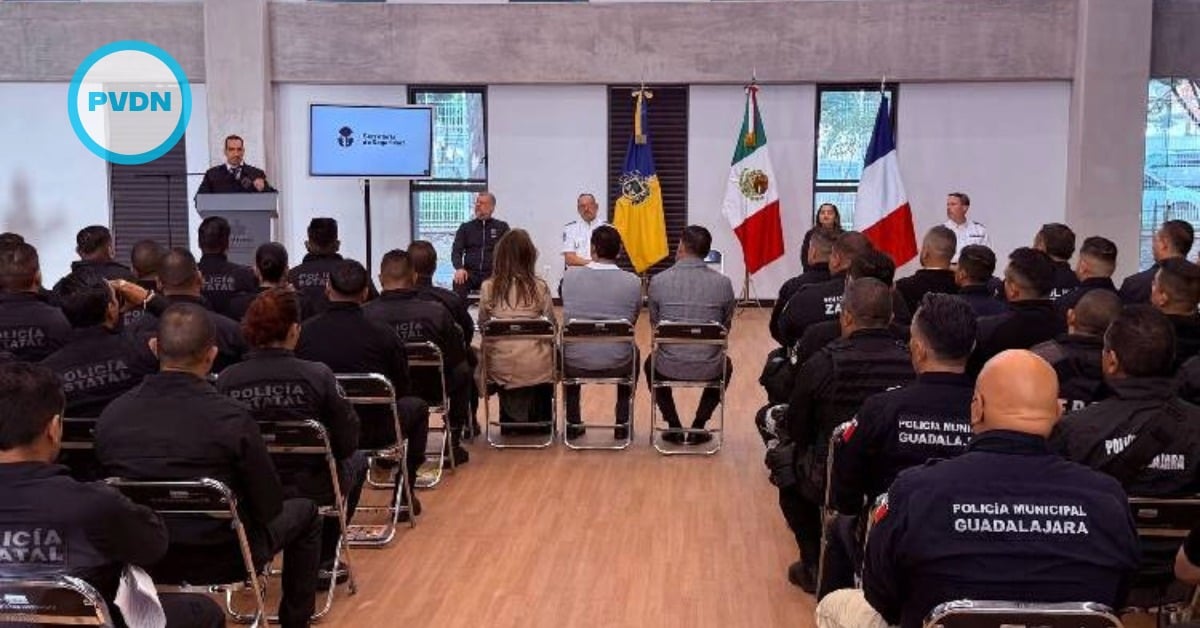
Specialists from France’s Compagnies Républicaines de Sécurité are in Guadalajara this week, launching a two-week course on democratic crowd management for 65 officers drawn from the Jalisco State Police, the Policía Metropolitana, the Guadalajara and Zapopan forces, and the state’s emergency medical service, SAMU. The push is timed for the World Cup’s return next summer and centers on mediation, risk control and using the minimum force necessary to keep people safe.
Local officials say the training aims to harmonize protocols across agencies so teams from different patches can work as one on matchdays. French instructor Stéphane Morisot framed the goal simply: have Jalisco officers operate with the same coordination and standards the CRS applies at major events in France, from tournaments to the Paris 2024 Olympics. SAMU leadership adds that medical crews are drilling specialized evacuation plans for scenarios with multiple casualties. French police training is the chosen banner for those lessons.
French police training
The CRS is France’s national police reserve for public order. Their core mission is crowd and riot management around demonstrations, festivals, and sports, supported by dedicated units and decades of major-event experience. That institutional focus is part of why Jalisco sought them out during the run-up to the 2026 World Cup.
The calendar makes the urgency obvious. Estadio Akron in the Guadalajara metro will host four group-stage matches—June 11, 18, 23, and 26, 2026—including Mexico’s second group game. Moving large crowds in and out of a stadium tucked into Zapopan’s western edge will test transport flows, stadium perimeters, and medical coverage, all under FIFA’s timetable.
Jalisco’s security backdrop adds pressure. Earlier this year, authorities sanctioned Akron after a bottle thrown from the stands struck a player, forcing a league match to move venues and prompting tougher stadium operations. Meanwhile, national coverage has highlighted how organizers are balancing World Cup excitement with Mexico’s wider security challenges. The lesson for planners is consistent: preparation and calm, predictable operations prevent small problems from becoming emergencies.
In the classroom and on the drill field, the course in Guadalajara focuses on de-escalation, tactical communication, and controlled interventions designed to avoid crowd panic. The emphasis, according to the state, is on mediation first, then proportionate action, with clear chains of command tying police and medical teams together. That last piece matters; SAMU’s inclusion signals that evacuation routes and treatment zones are being planned alongside policing tactics rather than as an afterthought.
What fans will see in June
If the training sticks, spectators should notice smoother entries and exits, steadier messaging during delays, and faster medical responses. On the ground, that translates to clearer commands from loudspeakers and officers, better-marked corridors for movement, and a calmer stance from line officers even when tensions spike—signals that reduce anxiety and keep crowds from surging. None of that erases bigger structural concerns, but it narrows the margin for error on matchdays.
There’s also a quiet benefit for residents. Guadalajara’s police don’t only police the World Cup; they handle marches, concerts, and derbies every month. Building a shared playbook with French instructors now—centered on dialogue, restraint, and coordination—gives local agencies habits they can apply long after the final whistle. It’s a practical investment in everyday safety that happens to arrive with the world watching.
Guadalajara has done big games before. The scale in 2026 will be larger, the schedules tighter, and the scrutiny higher. But the fundamentals are familiar: predictable queues, visible medical care, and a security presence that is firm without being provocative. If French police training delivers on what was promised this week, the city can meet the moment—protecting the joy of a global tournament without losing sight of the people who make it possible.