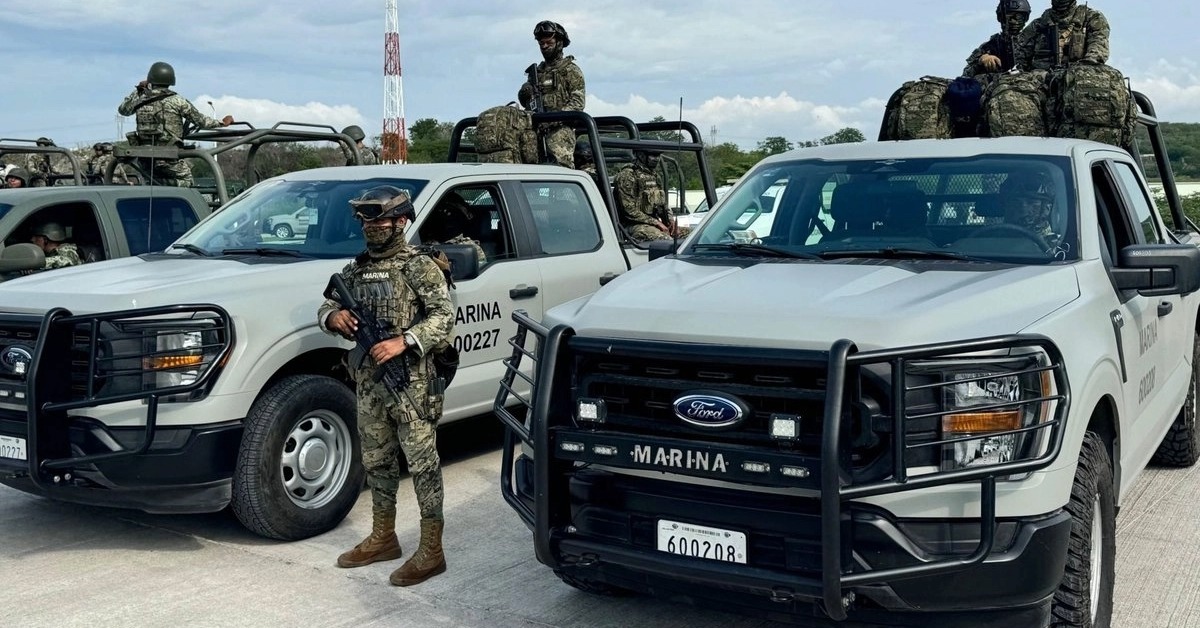
Ports are supposed to be Mexico’s choke points, where paperwork meets reality. But a new look at fuel smuggling suggests the opposite: that the system can be bent, quietly, at the docks. The story starts with an internal warning, a meeting that was recorded, and a naval officer who later ended up dead. It also raises a sharper question for anyone who pays taxes, buys gasoline, or runs a business here: when the Navy runs the port, who is actually watching the watchers?
The alleged scheme behind “paper fuel”
Mexico’s fuel black market isn’t only about tapping pipelines. A big part of the modern game is bureaucratic: moving massive volumes through legal entry points while disguising what they are on paper. In the “huachicol fiscal” model, shipments can arrive with documents that describe diesel or gasoline as something else—often a product category that faces lower taxes, different oversight, or fewer red flags at the border.
The payoff is huge. If the cargo clears customs under the wrong label, it can slide into the formal supply chain looking “clean,” even though the public treasury is left holding the loss. The distortion doesn’t stay in spreadsheets. It undercuts legitimate importers, poisons competition at the pump, and feeds the kind of corruption that tends to spill into other parts of public life.
Why Navy-run ports became the frontline
Mexico didn’t hand the Navy more responsibility at ports by accident. The transfer was sold as an anti-corruption move: put a disciplined, hierarchical institution in charge of a space long viewed as vulnerable to organized crime pressure and bribery.
The problem, the new allegations suggest, is that concentrating control can also concentrate risk. Ports and maritime customs are complex ecosystems—shipping agents, terminal operators, inspectors, security, manifests, fees, and the constant churn of cargo. If a corrupt network gets a foothold in the right positions, it doesn’t need everyone on board. It needs enough people to ensure the right container is ignored, the right sample isn’t taken, the right stamp appears, and the right questions never make it into the official record.
That’s what makes the current claims so politically explosive: they don’t argue that the Navy simply “failed” to stop fuel smuggling. They argue that parts of the system under Navy control may have been used to facilitate it.
The warning that didn’t trigger a clean break
At the center of the latest scrutiny is an audio recording of a meeting in which a naval officer describes a corruption scheme tied to fuel smuggling at maritime customs. The account describes pressure inside the institution, money moving through hands that shouldn’t be touching it, and a network that—if the allegations are true—could not function without protection.
The most troubling element is what the recording implies about institutional response. The conversation, as described in the analysis and related reporting, lays out a fork in the road: expose the network fully or contain the damage quietly by shifting personnel around. The analysis argues that the second option is not a management fix but a potential cover-up—because moving people without reporting the underlying crimes can allow the same machinery to keep operating elsewhere.
The timeline adds to the stakes. The meeting described in the report took place in June 2024. The officer was later reassigned. In November 2024, he was killed in Manzanillo after taking leave, according to the account. By the time the case widened publicly, investigators were already dealing with a missing witness and a system trying to explain who knew what, when, and what was done with that knowledge.
The “historic seizure” that changed the case
Fuel-smuggling stories in Mexico often blur into one another until a single operation forces clarity. In this case, that moment came in 2025, when authorities announced the seizure of roughly 10 million liters of diesel tied to a tanker’s arrival in Tamaulipas—cargo that, according to official accounts and subsequent reporting, was declared to be a different product category.
That seizure did two things at once. It showed the scale: this wasn’t petty theft, it was industrial. And it showed the method: the fraud depended on paperwork, port access, and customs clearance. Investigators later detained multiple suspects, including naval-linked figures and people connected to the import chain, and officials acknowledged the existence of broader networks and pending arrests.
For readers—especially expats who track rule-of-law issues closely because they live, work, invest, or own property here—the takeaway is not that one shipment slipped through. It’s that the alleged scheme can only thrive when enforcement becomes selective.
What an investigation would need to answer
A credible inquiry can’t stop at the sensational parts—the audio, the family links, the internal turf wars. It has to reconstruct the chain of decisions that lets fuel move from ship to shore to market. That means matching manifests to physical volumes, mapping who signed off at each step, following money flows through companies and intermediaries, and examining whether internal warnings were formally logged, escalated, and referred to prosecutors.
Just as important is what happened after warnings were raised. If people were reassigned, investigators will want to know who ordered it, what files were created, what disciplinary processes were opened (if any), and why the matter did or didn’t reach an independent criminal investigation at the time. The difference between an institution correcting itself and an institution shielding itself often lives in those paper trails.
Why this matters beyond the docks
Fuel smuggling isn’t a niche crime. It hits public revenue, which shapes everything from infrastructure to policing to social programs. It also deepens cynicism: if the system can’t protect its own ports, it’s hard to ask the public to believe in “clean government” anywhere else.
For foreign residents, the relevance is both practical and moral. Corruption at this scale can warp local markets, increase volatility, and feed insecurity. It can also trigger sudden policy swings—crackdowns, inspections, and disruptions—that ripple into business logistics and daily life. The question isn’t whether Mexico can run ports. It’s whether the institutions tasked with doing it can prove, in court and on the record, that they’re not being used as cover for the very crimes they were meant to stop.