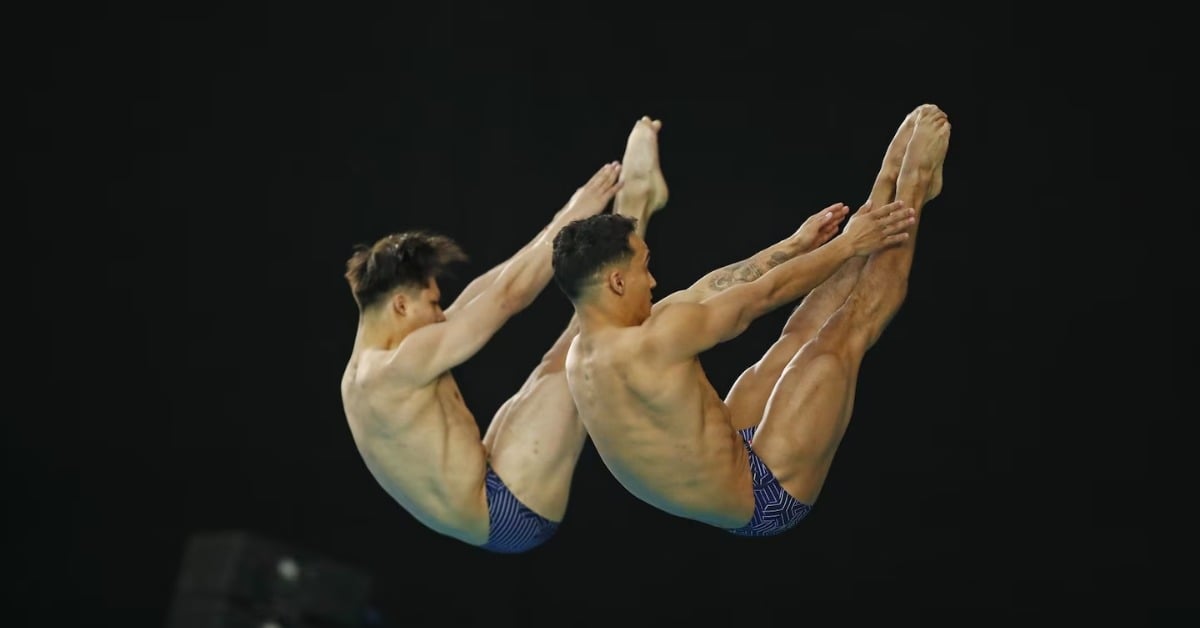
Guadalajara, Jalisco – Guadalajara will host the world’s best divers from March 5 to 8, 2026, placing the city back on a high-profile international stage at the Centro Acuático Metropolitano (CODE) in Zapopan. The meet is part of the World Aquatics Diving World Cup circuit that builds competitive rhythm and storylines on the road to Los Angeles 2028.
A prime stop on a three-city circuit
The 2026 World Cup season opens in Montreal from February 26 to March 1, moves to Guadalajara on March 5–8, and closes with the Super Final in Beijing from May 1–3. That cadence keeps elites competing across springboard and platform events through late winter and into spring, with Guadalajara positioned as the crucial middle test.
Why this matters for Mexico
Mexico is not just hosting; it is contending. The national team surged in 2025, highlighted by multiple world-level podiums and a breakout year for young stars. That momentum sets the stage for a home crowd that expects—not merely hopes—to see finals and medals. Hosting the World Cup again, after reviving top-tier events in 2025 at the same Guadalajara venue, reinforces a domestic pipeline that has long produced international contenders.
The venue and the atmosphere
The CODE Metropolitan Aquatic Center is familiar water for Mexico’s team and for fans in Jalisco. Recent events there drew strong, savvy crowds who understand dives, the degree of difficulty, and execution. That atmosphere matters. In a sport decided by tenths, cheers after a clean entry can rattle the next diver and lift a local favorite. For athletes pushing new lists months after the world championships, Guadalajara offers a perfect blend of altitude, climate, and crowd intensity.
The competitive stakes
Results in Guadalajara won’t decide Olympic berths on their own, but World Cup form is the best public barometer of who is trending up before LA 2028 qualifiers and continental meets. With China traditionally setting the pace, the intrigue is whether Mexico’s core—now seasoned by 2025’s breakthrough—can keep applying pressure in the three-meter springboard and on the tower. Expect Canada and the United States to bring deep rosters off the North American leg, with Europe’s top pairs sharpening synchro lists ahead of Beijing’s Super Final.
A second straight year in the spotlight
Guadalajara already shouldered the World Cup spotlight in April 2025, a symbolic return that reset expectations for what Mexico can host and win. Securing the 2026 stop—and confirmation that Mexico will remain on the calendar in 2027—signals staying power, not a one-off. For the federation and local organizers, that continuity means better planning, more time in the pool for youth squads, and a clearer runway to LA 2028.
Guadalajara’s March 2026 World Cup stop is bigger than a date on the calendar. It is a checkpoint for a rising program, a revenue and reputational boost for Jalisco’s sports scene, and a chance for fans to watch the world’s cleanest entries in their backyard. When divers walk onto the CODE pool deck next March, they will meet a crowd that knows the sport—and a host that plans to keep it.