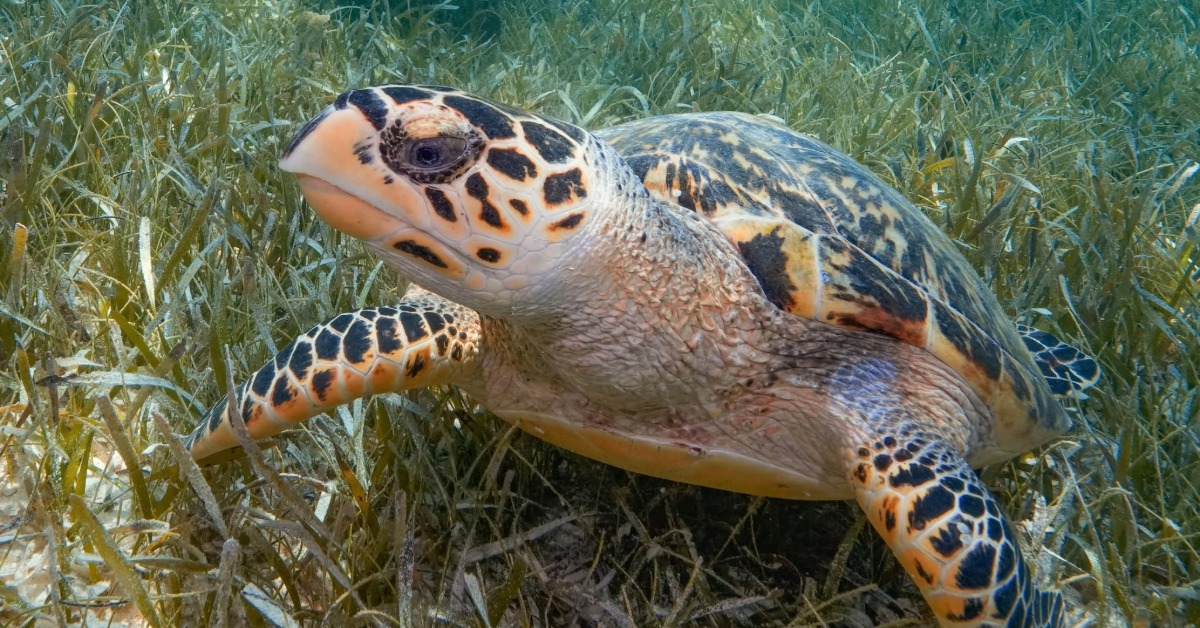
Puerto Vallarta, Jalisco, June 17, 2026 – A female hawksbill turtle was recorded nesting on Isla María Cleofas in the Islas Marías Biosphere Reserve, where conservation teams also placed a satellite transmitter to track her route in the Mexican Pacific.
The monitoring covered Isla María Cleofas, Isla María Magdalena, and San Juanito. Park personnel reported turtle tracks, nesting beds, and nests of black/green and hawksbill turtles, including one female hawksbill observed during egg-laying. The turtle was identified as “Vero” in the monitoring report.
Puerto Vallarta is a departure point for Islas Marías tourism, while Banderas Bay and the Jalisco coast are in turtle-nesting season.
A protected island nesting record
Federal conservation records indicate that the Islas Marías Biosphere Reserve was designated a protected natural area in 2000. The reserve includes Isla María Madre, Isla María Magdalena, Isla María Cleofas, Isla San Juanito, and the surrounding marine territory. It covers more than 641,000 hectares, according to CONANP’s management plan.
The hawksbill turtle, Eretmochelys imbricata, is one of the region’s most closely watched marine species. CONANP lists the species as endangered in Mexico. The IUCN classifies it as critically endangered worldwide, according to the agency’s species sheet.
The Islas Marías record gives biologists one more verified point about where the species uses Pacific nesting habitat. A single nesting female does not show a population recovery.
What the satellite tracker may show
The transmitter placed on Vero is meant to collect movement data after nesting. That data can help identify migration routes, resting areas, and feeding zones that beach patrols cannot document.
Satellite tracking has been used elsewhere in Mexico to study turtle movement in the Pacific. Earlier work in Baja California Sur used location data to compare reproductive groups and guide conservation decisions, according to records in the Ocean Biodiversity Information System.
PVDN did not find a public tracking map for Vero or a final nest count from the Islas Marías monitoring period. The published reports confirm the nesting observation and transmitter placement. They do not yet show where the turtle moved after release.
Visitor access adds pressure to follow reserve rules
The Islas Marías are now open to controlled tourism. Federal and tourism pages list Puerto Vallarta as part of the visitor route, with ferry packages to Puerto Balleto on María Madre.
That access makes reserve rules more relevant for Vallarta travelers. CONANP’s visitor guidance tells visitors not to remove wildlife, plants, shells, or coral. It also prohibits feeding or interacting with wildlife, lighting fires, leaving waste, and entering with pets except for assistance or medical purposes.
The same conservation logic applies along the coast. PVDN has also reported on local nesting pressure, including Mayto Turtle Camp’s record nesting season and earlier concerns over poaching near Boca de Tomates.