Families filed into a university auditorium with hope and dread in equal measure. On the screen were close-up photographs of scars, tattoos, dental work, and other individual traits from unidentified people. The human identification exhibit was the first of its kind in Puerto Vallarta, organized by the state forensic institute with psychological support on hand. It was private, procedural, and heavy with possibility. What happened inside that room matters to hundreds of families across Jalisco and Nayarit. Here’s what the event was, why it happened now, and what families can do next.
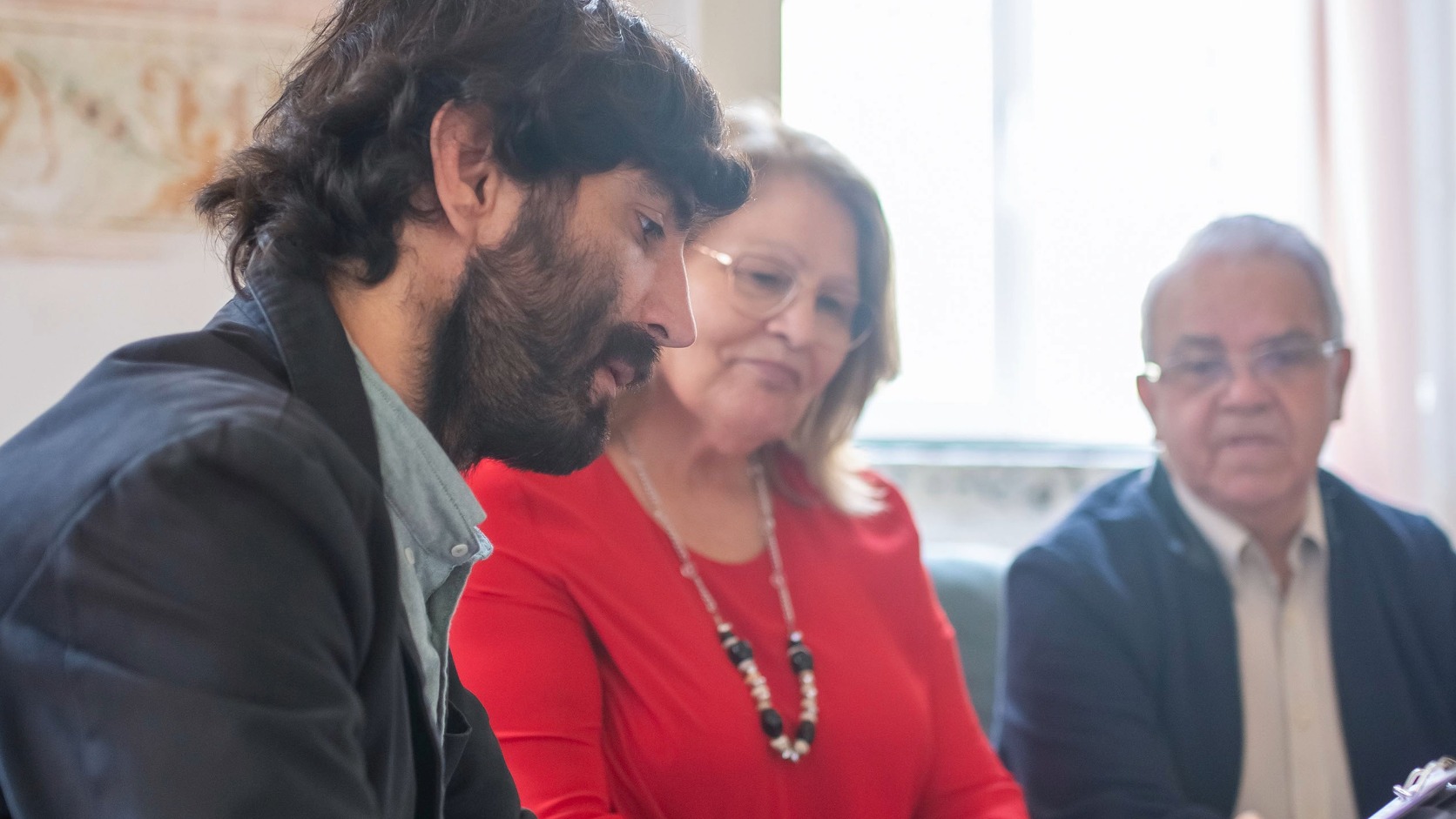
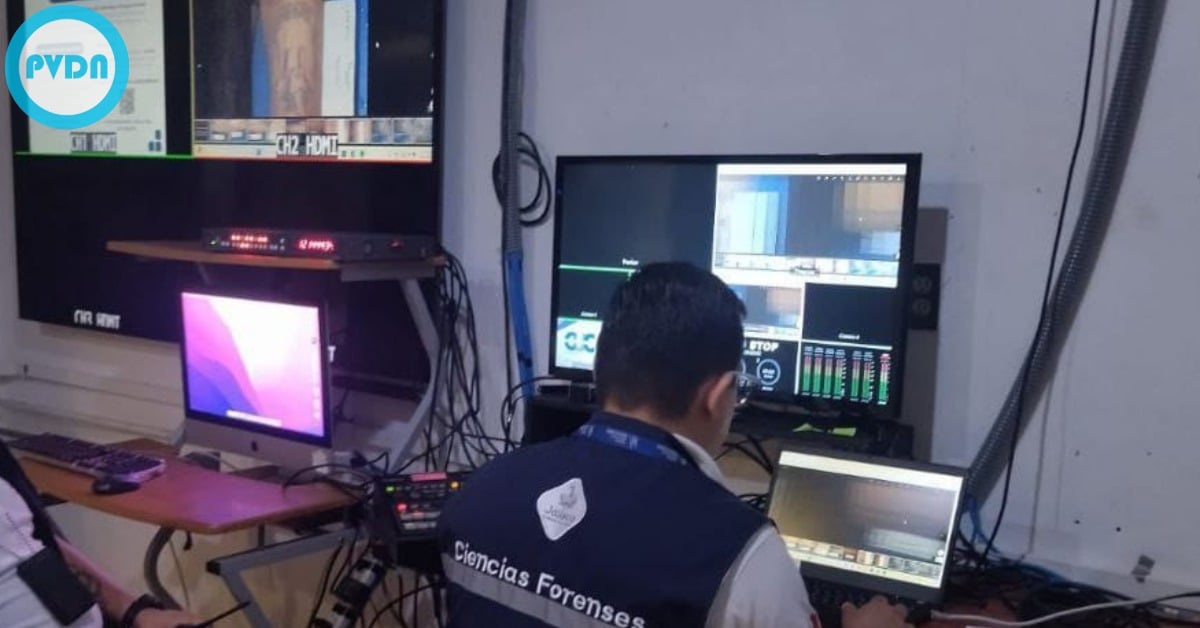
The state forensics agency brought a sensitive tool to the coast this week. The Instituto Jalisciense de Ciencias Forenses (IJCF) staged a private photo review to support families searching for the missing. The session took place on September 6 at UdeG’s Centro Universitario de la Costa (CUCosta).
The institute showed images that highlight “individualizing features” of unidentified people. Families looked for recognizable marks and belongings under the guidance of trained staff. Psychological support was present throughout.
Human identification exhibit
The venue was the Dr. Juan Luis Cifuentes Lemus Auditorium at CUCosta. According to local reports, about 60 members of the collective Una Luz por Nuestros Desaparecidos Puerto Vallarta attended. The IJCF Costa Norte delegation organized the event with help from the university and students from Universidad Vizcaya.
Authorities framed the session as a first in Puerto Vallarta. The focus was practical: prompt potential matches and open new leads. The institute asked families and search groups from Jalisco’s Costa Norte and neighboring Nayarit to participate.
Families turn grief into action
Inside the auditorium, the review was methodical and quiet. Staff explained what each image showed and how to flag possible matches. Participants could step out for counseling at any time. That safety net mattered. People arrive with years of unanswered questions.
The format aims to put families in front of information that rarely leaves morgues. It also narrows future lab work. A tentative visual cue can guide DNA sampling, dental comparisons, or file checks, saving crucial time.
Why these images matter
Forensic identification often begins with what the eye can confirm. Tattoos, scars, dental restorations, and orthopedic devices can be unique. In missing-person work, these visible traits help triage cases before deeper testing. International practice recognizes their value.
Visual review does not replace DNA, fingerprints, or dental records. It is a rapid screen that respects families’ knowledge. A mother knows which shoulder carried a scar. A partner knows a chipped tooth from a bicycle fall. Those details matter.
What Jalisco’s numbers show
The crisis is not abstract in this state. As of February 28, 2025, Jalisco’s state registry reported 15,426 people missing, most of them men. Puerto Vallarta appears in the upper tier of affected municipalities within the state.
National data echo the burden. On March 13, 2025, the federal RNPDNO dashboard listed hundreds of open cases in Puerto Vallarta alone, with the largest concentrations in the metro area around Guadalajara and Zapopan.
A push to coordinate better
This coastal exhibit is part of a broader shift. This year, IJCF began formal cooperation with neighboring states to strengthen cross-border forensic searches and identifications. That work includes joint plans and data sharing.
The federal backdrop is evolving, too. In March, the new administration announced measures to unify forensic and missing-person registries and to roll out a CURP with photo and biometrics. The goal is faster, cleaner matches across agencies.
What comes next for families
Families who did not attend can still act. IJCF’s Centro de Identificación Humana offers interviews and DNA collection at no cost. A prior police report is not required. Staff collect family reference samples and detailed descriptions of unique traits. Data go into the state’s forensic system for ongoing comparison.
For many, that process is one more step in a long road. But it is a step that creates a record, a lab result, and a standing match request. Exhibits like the one in Vallarta aim to close the distance between families and the information they need.