Puerto Vallarta, Mexico – Facing a dip in Canadian traffic to the U.S., Jalisco Tourism Secretariat announces new direct routes from Toronto and Montreal to Guadalajara, plus increased Vancouver frequencies, boosting annual Canadian arrival capacity above 775,000.
Passenger traffic from Canada to the United States has softened during the first months of 2025, and Jalisco is positioning itself to benefit from this shift. At a press conference in Guadalajara, Michelle Fridman, head of the Jalisco Tourism Secretariat (Secturjal), announced two new direct air routes between Guadalajara and Canada, along with expanded frequencies between Vancouver and both Guadalajara and Puerto Vallarta. “There is a contraction in the Canadian market traveling to the United States, and they are choosing Mexico as an immediate, nearby, and diverse destination where they feel very welcome. Of course, Jalisco wanted to raise its hand and tell Canadians, ‘We are here and we await you with open arms,’” Fridman said.
Since early 2025, Canadian passenger volumes to the United States have dipped by an estimated 7 percent compared with the same period last year, according to U.S. Customs and Border Protection data. Many Canadian travelers—particularly those from major urban centers such as Toronto, Montreal and Vancouver—have cited rising airfare to U.S. gateways, long security lines at land crossings, and the appeal of a more tropical climate as motivations to look south of the border. Mexico, with its diversified offerings of beaches, colonial cities and culinary experiences, has emerged as a prime alternative.
Jalisco’s Tourism Secretariat saw an opening and moved quickly to court Canadian carriers and tour operators. “We held several meetings with representatives of Canadian airlines and tourism offices, and we identified significant opportunities for Jalisco,” Fridman explained. Those conversations underscored growing online interest in Jalisco destinations among Canadians, and gave Secturjal the confidence to secure new flight capacity.
Data from major travel search platforms show that Puerto Vallarta has climbed to become the fourth most-searched destination in Mexico for Canadian users. Between January and April 2025, searches for Puerto Vallarta increased by nearly 20 percent, while searches for Guadalajara—Jalisco’s capital and cultural hub—jumped by 34 percent. These gains reflect pent-up demand among Canadian travelers eager to explore Mexico’s Pacific coast and inland metropolitan centers.
“These search figures confirm what we’ve been hearing from tour operators: Canadians are ready to discover Jalisco,” Fridman said. “From the historic charm of Guadalajara’s centro histórico to the sun-soaked shores of Puerto Vallarta, our state has something for every type of visitor. We intend to make it as easy as possible for Canadians to choose Jalisco.”
Two New Canadian Routes, Plus More Frequencies
By the end of 2025, Jalisco will welcome two brand-new direct links to Canada:
- Air Canada will inaugurate three weekly direct flights between Toronto Pearson International Airport (YYZ) and Guadalajara International Airport (GDL), starting in November 2025. This marks Air Canada’s first-ever service to Guadalajara.
- Air Transat will begin operating two weekly flights from Montreal–Trudeau International Airport (YUL) to Guadalajara, starting in December 2025. Travelers will enjoy year-round service on this route.
In addition to these new services, existing routes from Vancouver International Airport (YVR) to Guadalajara and Puerto Vallarta will see increased frequency. Exact schedules and launch dates for the added Vancouver flights will be confirmed in the coming weeks, but Secturjal expects at least one additional weekly rotation on each corridor.
Taken together, these enhancements will boost the total annual arrival capacity from Canada to more than 775,000 seats. “Our state is served by 17 Canadian airports,” Fridman noted. “In 2024, we welcomed 490,000 Canadians—an increase of 57 percent compared with 2022—and so far in 2025 we’re already up 5 percent, with 258,000 Canadian arrivals through March alone. With the new routes and frequencies, we’re undoubtedly going to grow significantly in this market this year.”
Tourism is a cornerstone of Jalisco’s economy, accounting for an estimated 12 percent of the state’s GDP and supporting more than 200,000 jobs in hospitality, transportation and related services. The government has invested in infrastructure improvements—upgraded airport terminals, expanded hotel capacities, and enhanced road connections—to ensure that the influx of Canadian visitors can be accommodated comfortably.
Local hoteliers and tour operators have welcomed the announcement. “In recent months, we’ve seen inquiries from Canadian travel agencies increase by nearly 30 percent,” said Alejandro Morales, president of the Guadalajara Hotel Association. “These new air services will translate into higher occupancy rates and create more employment opportunities in our hotels, restaurants and tour companies.”
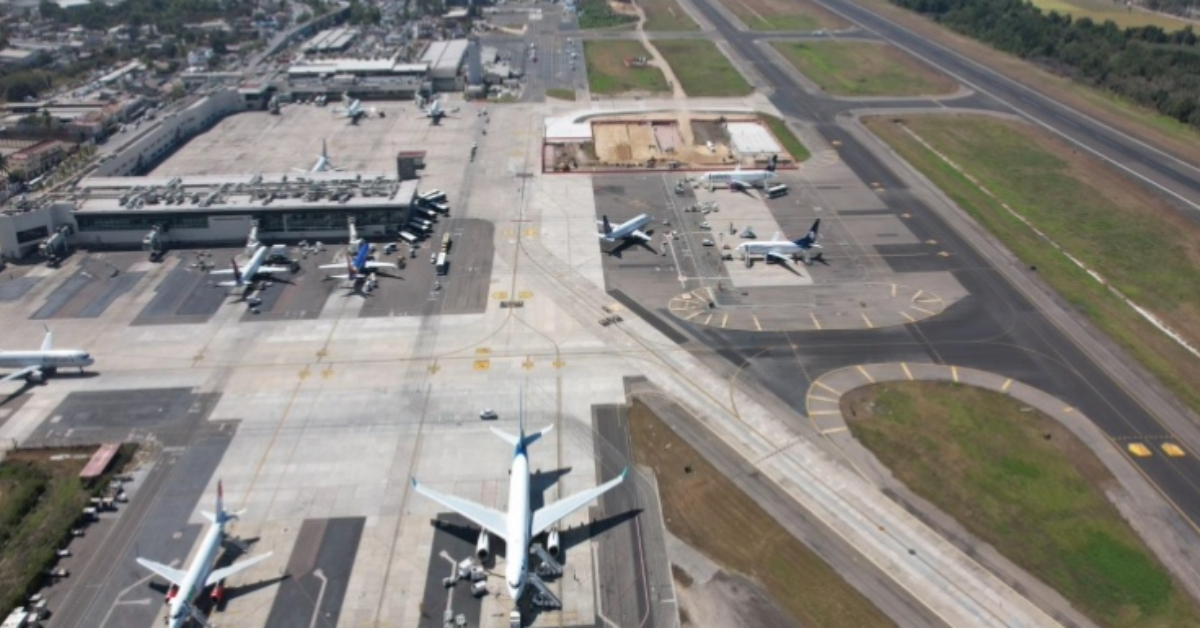
Beyond the Aeropuerto Internacional Miguel Hidalgo y Costilla in Guadalajara and the Gustavo Díaz Ordaz International Airport in Puerto Vallarta, officials are also promoting lesser-known attractions to Canadian audiences. Cultural festivals in Tequila, archaeological sites near Lagos de Moreno, and culinary tours in Tlaquepaque are being packaged into travel itineraries tailored for Canadian tastes.
Mexican tourism authorities see Canada as a strategic growth market. While the United States has long been Mexico’s largest source of international visitors, the recent softening of U.S.-bound traffic has created space for states like Jalisco to attract new segments of travelers. As climate considerations, visa protocols and traveler preferences evolve, connectivity will be a decisive factor in destination choice.
“By strengthening our air links and showcasing the warmth of Jalisco hospitality, we’re ready to welcome more Canadians than ever before,” Fridman concluded. “Our beaches, our culture, our food and our history—all of it is within reach for travelers from Canada. We look forward to seeing them here soon.”