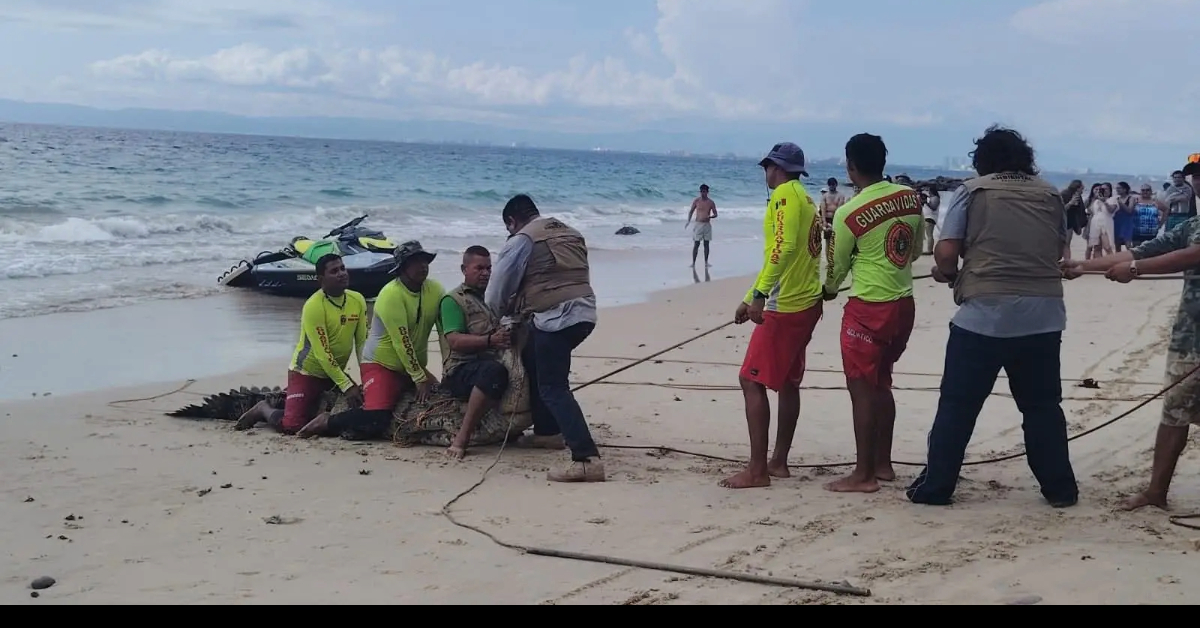
The Government of Jalisco is holding its first Working Table on human–crocodile relations to stop Puerto Vallarta crocodile attacks, fight misinformation, and protect the American crocodile.
The Government of Jalisco has called the first Working Table on human–crocodile relations to tackle Puerto Vallarta crocodile attacks, counter false messages on social media and protect a key species. The event will bring together local and federal authorities, scientists and civil groups to map out steps to reduce violence against crocodiles and keep residents safe.
Crocodile killings in Puerto Vallarta
In recent years, people have killed or mutilated at least ten crocodiles around Puerto Vallarta. Some of those acts included intimidating messages aimed at authorities. Officials remind the public that the American crocodile (Crocodylus acutus) is a protected species under NOM‑059‑SEMARNAT‑2010. Harming them carries penalties under federal wildlife laws.
Experts such as Helios Hernández Hurtado, manager of the Estero El Salado State Park, say urban growth is to blame for more crocodile sightings in city areas. “The fragmentation of our wetlands pushes crocodiles into neighborhoods,” Hurtado says. He adds that expanding development has eaten into estuaries and cut wildlife off from their natural routes.
Puerto Vallarta crocodile attack rumors
In recent months, posts on WhatsApp and Facebook have shown edited images of crocodiles near beach hotels and claimed they have attacked swimmers. Officials warn these messages are false and heighten public fear. The Working Table will create a communications team to track viral rumors and post accurate updates via official channels.
The Working Table aims to halt attacks, clear up misinformation, and build respect for crocodiles. It will set up a system to track crocodile numbers in urban zones, respond quickly to reports and watch for illegal hunts. Authorities also plan to boost measures that protect both people and crocodiles during routine patrols and in high‑sighting areas.
Participants will include representatives from municipal, state, and federal agencies, wildlife specialists, researchers at the University of Guadalajara’s Centro Universitario de la Costa (CUCosta) and civil‑society organizations. The plan covers Puerto Vallarta, nearby Cabo Corrientes in Jalisco and the Bahía de Banderas region in Nayarit. SEMADET says it will post dates and locations for the first meeting on its website.
Officials plan to open a web portal where citizens can upload photos and GPS data of sightings. This tool will help teams send patrols faster.
While the strategy takes shape, the Secretariat of Environment and Territorial Development (SEMADET) offers clear tips for anyone near crocodiles. Visitors should respect warning signs, keep their distance, never feed the animals and follow guidance from Civil Protection teams in coastal zones. Anyone who spots a crocodile can report it directly to local authorities.
Contrary to common fears, crocodiles help keep wetlands healthy and need our support. Scientists estimate about 300 American crocodiles live in the region, but only 45 are fully grown adults. As apex predators, they balance populations of fish and other animals. Their nesting pools also create fresh habitats for birds, amphibians and insects. Researchers say healthy crocodile numbers signal a strong, intact ecosystem.
Crocodiles moving toward the sea or venturing into city drains does not mean they plan to attack people. Their shifts usually follow the search for food, mates or safe nesting sites. By protecting their home and keeping clear boundaries, experts hope both crocodiles and residents can share the same spaces without danger.
Local groups such as environmental NGOs and neighborhood associations hope this plan will build trust between people and wildlife.
Puerto Vallarta,crocodile attacks,Jalisco government,American crocodile,wildlife conservation