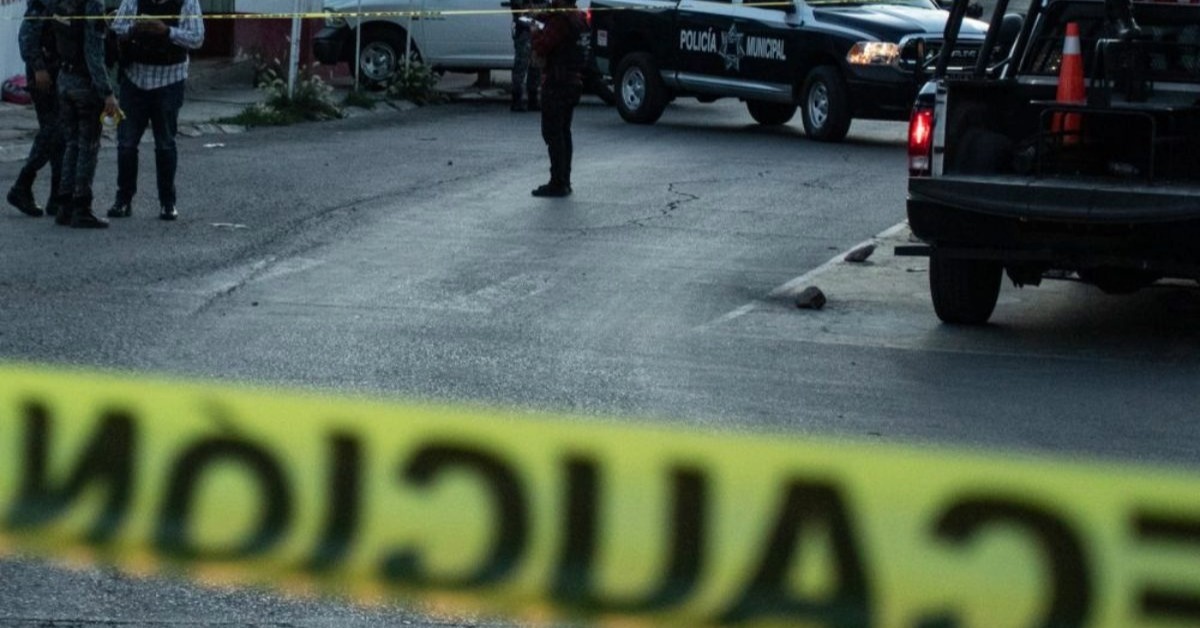
A fresh wave of violence has shattered Baja California Sur’s hard-won calm. ZETA reports that homicides in La Paz jumped 94% in the first seven months of 2025. Police found bodies on rural roads. Narcomantas named names. Hoteliers warned about cancellations. We reviewed official crime data, state security statements, and independent research to examine the trend and identify its underlying causes. The picture that emerges is a turf fight between Sinaloa Cartel factions—one tied to “El Babay,” another to “La Chapiza.” What follows is how the numbers stack up, who’s fighting, and what it means for residents and visitors.
La Paz homicides
La Paz is seeing a sharp upswing in lethal violence in 2025 after several quieter years. ZETA’s new analysis says homicides linked to organized crime rose 94% through July, compared with the same period a year earlier. While precise case-by-case files are not public, that rate of change matches what we’re seeing in monthly tallies and official briefings.
Mexico’s national crime database confirms a midsummer spike in Baja California Sur. July alone brought 25 homicide investigations statewide, more than half classified as intentional killings. Local outlets placed the first-half total near 50 victims, with May and June as the heaviest months. Those figures track with the surge described by ZETA.
The trend breaks with recent gains. The Mexico Peace Index highlighted Baja California Sur as a standout improver through 2024, including a significant drop in firearm homicides. That progress is now under stress as rival groups jostle for control and visibility.
The fight behind the numbers
ZETA attributes the escalation to a dispute between a local operator known as “El Babay” and the La Chapiza wing of the Sinaloa Cartel. The conflict has spilled into the open through narcomantas, roadside killings, and targeted attacks.
Who’s who matters. Reporting in Milenio and La Razón identifies El Babay as Abraham Cervantes Escárraga, long linked to the La Mayiza (El Mayo Zambada) faction, and points to “El 00” as a rival organizer aligned with Los Chapitos. These accounts align with briefings cited by private security analysts who track the same split across the peninsula.
The broader context is an internal Sinaloa Cartel war that escalated after U.S. authorities captured El Mayo in 2024 and moved against Chapitos leadership. InSight Crime’s recent series details how this rupture has redrawn criminal maps well beyond Sinaloa—opening space for clashes in places like Baja California Sur.
What residents are living through
The violence has not been abstract. On June 22, state authorities reported eight people killed in coordinated attacks across La Paz, Comondú, and Loreto. In the weeks around that weekend, narcomantas appeared on La Paz bridges, naming operators and laying down threats.
Officials say they reinforced operations after those attacks. The Mesa Estatal de Seguridad announced joint patrols and arrests tied to recent killings, though the geography of incidents keeps shifting between the capital and northern municipalities.
Tourism feels the strain
La Paz depends on tourism. Business leaders have started warning about the reputational hit that headlines can deliver, even when incidents are far from the malecón. In mid-August, hotel and tourism representatives urged state action to steady the situation before high season. The U.S. Embassy, meanwhile, issued an alert earlier in the year after a spate of violent incidents in La Paz and Los Cabos.
Why the spike is happening now
Three forces are converging. First, the Chapitos–Mayiza split raised the stakes for loyalty and territory, pushing operators to prove control. Second, public displays—narcomantas, daytime attacks—aim to shape perception as much as turf. Third, enforcement pressure can create openings or sudden power shifts, which then trigger reprisals. The April–July timeline in Baja California Sur matches the pattern seen as the Sinaloa feud spread from Culiacán.
What to watch next
Watch whether killings continue to cluster on weekends and near highway corridors linking La Paz to Comondú and Mulegé. Track the language of new narcomantas: names, alliances, and claims of “cleansing” often foreshadow short bursts of violence. And monitor monthly homicide bulletins; if July’s level holds into autumn, the year will close far above 2021–2024 lows.
The La Paz homicides surge isn’t random. It reflects an internal Sinaloa Cartel war that has finally reached a tourism-heavy state once seen as relatively insulated. Residents are bearing the cost—through fear, closures, and a thinner sense of safety—while businesses press for a sustained security response. The numbers, the banners, and the arrests all point to a contest that isn’t over.