Hundreds of forensic bags. A vast field cut into strips. And families who refuse to let the story fade. Authorities say the Las Agujas clandestine grave in Zapopan is only half analyzed, even after months of digging. The tally of bags has climbed again, and the count of victims is expected to rise as the outer area is processed. What does “halfway” really look like on the ground—and what will it take to move from exhumation to names, and finally, to accountability?
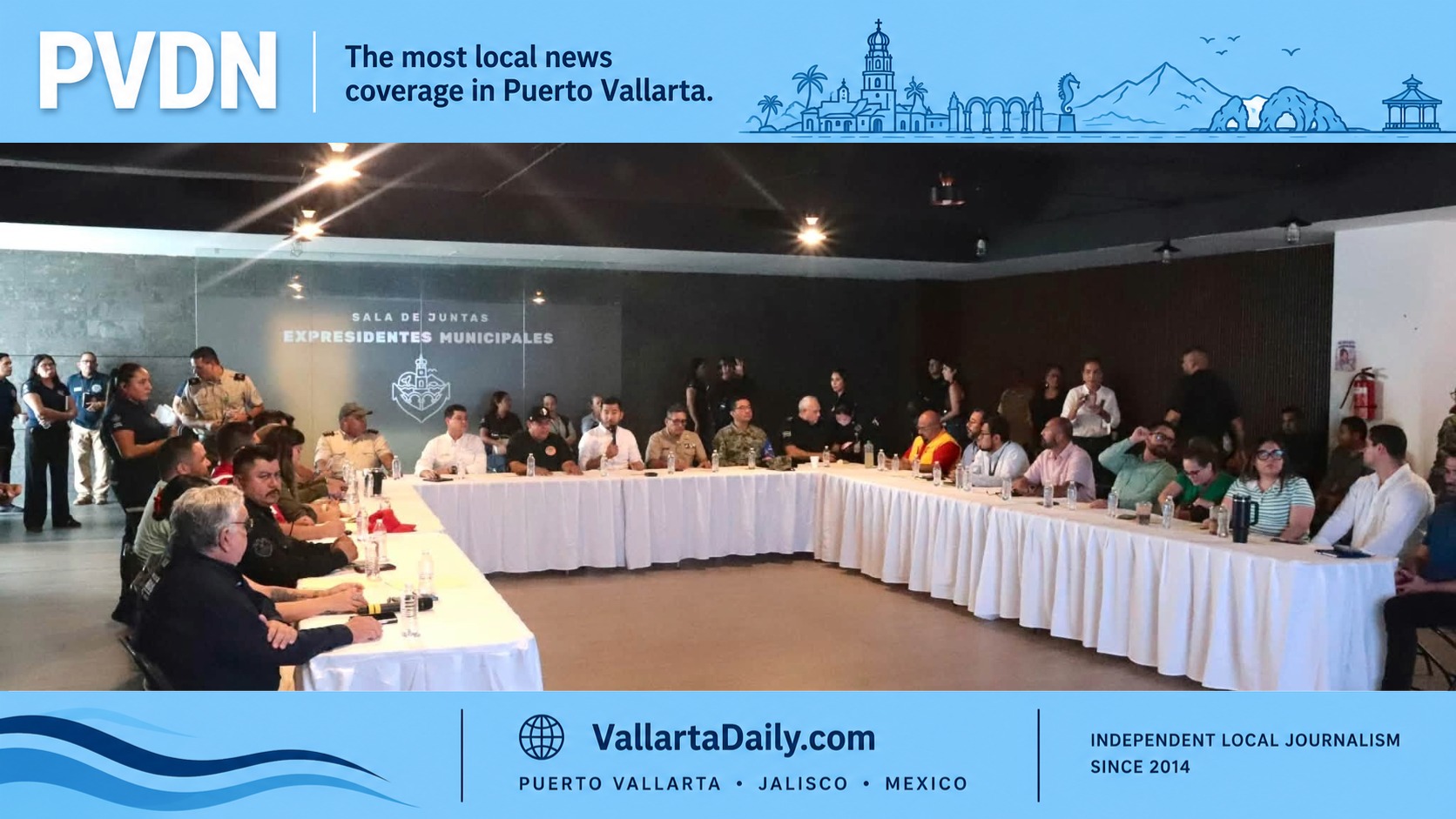
The excavation at Las Agujas clandestine grave remains only half complete. On Thursday, Jalisco’s missing-persons vice prosecutor, Blanca Trujillo, said the interior of the site has been processed, but work on the exterior is just 50 percent done. Crews are moving methodically, strip by strip, across a large tract in Zapopan. The gradual pace is deliberate, she stressed, to avoid missing evidence and to preserve chances of identification.
Authorities now count 270 forensic bags recovered from the site and a running total of 56 victims whose remains are represented in those bags. Those figures could climb as newly recovered material is examined by forensic teams. The update came during the state’s weekly security briefing on September 18, 2025.
Las Agujas clandestine grave
The numbers at Las Agujas have moved in quick steps this month. Earlier this week, local outlets logged the increase to 270 bags after another small batch surfaced, confirming the scale investigators feared. Reporters covering the case also note authorities are balancing excavation with weather and terrain limits that have slowed heavy equipment and careful hand digs.
Behind the totals is the work that families care about most: names. As of the most recent breakdown shared publicly, at least 25 people had been identified by relatives—23 men and two women—into a broader count of 56 victims. Officials caution that those identification numbers predate the latest recoveries and will change as laboratory work continues.
This grave was first exposed in February, when construction workers encountered bags during site prep. Search collectives later pressed to reopen parts of the terrain and flagged new “points of interest,” expanding the search beyond the initial pit. The tract sits between La Venta del Astillero and Nextipac, and by mid-year, it had taken shape as one of this year’s largest clandestine burial sites in Jalisco.
The human context is stark. Jalisco leads Mexico in the number of people reported missing. National data compiled this month put the state’s total above 15,000 within a national crisis of more than 133,000 missing or unlocatable persons. Each new bag at Las Agujas intersects with that ledger, and each identification is a step toward closing one family’s circle of uncertainty.
What “halfway” means for families
“Halfway” is a technical milestone, not a moral one. Processing the outer zone means investigators are still in the possibility space: that more remains, personal effects, or trace evidence are waiting in the ground. It also means the clock starts now for new lab work—DNA extractions, cross-checks with family samples, and reconciliation with records in state and federal databases. The vice prosecutor said teams will lean on the forensic data bank as they move through the newest bags.
The search unfolds alongside other sensitive probes, including at San Sebastianito cemetery in Tlaquepaque, where authorities are investigating both potential clandestine burials and possible irregular handling of legally inhumed remains. That dual track underscores a broader challenge: protecting dignity in death while tracing crimes in life.
At the policy level, Mexico’s federal government has announced reforms meant to unify forensic and identification systems, including a single national forensic database tied to CURP records. For families in Jalisco, that promise will be measured not in speeches but in matches—when a lab result finally meets a name on a missing-persons report.
For now, Las Agujas is a landscape of patient work. Grids, markers, and the slow lift of soil give families something to watch—and to worry over. Each week’s security briefing brings numbers, but families still listen for what can’t be quantified yet: how close the search is to the place where science meets a mother’s memory, and a name returns.