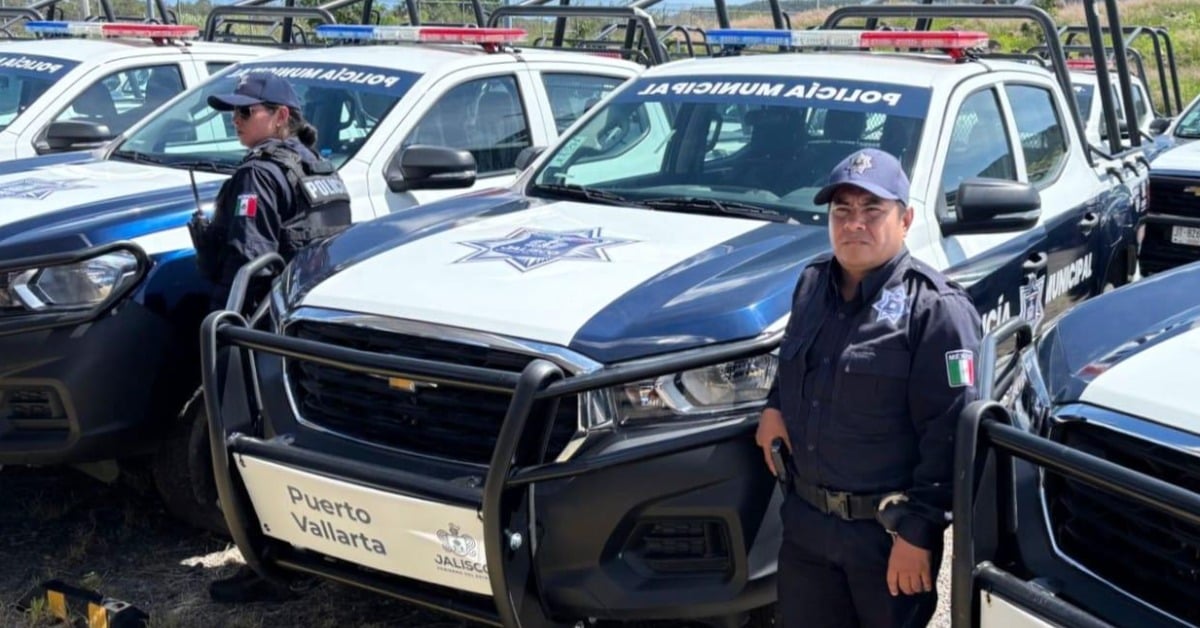
Tourists don’t see state borders. Emergencies shouldn’t either. Jalisco and Nayarit now want a metropolitan shield for Vallarta and Bahía de Banderas that ties their C5 systems and Civil Protection into one response, so a 911 call in Nuevo Vallarta can cue a Puerto Vallarta unit without bureaucracy—and vice-versa. The idea borrows from years of “metropolitan zone” work, but if funded and executed, could finally make the bay feel like one safety net.
The governors of Jalisco and Nayarit have asked their teams to design a joint emergency and surveillance plan for the bay. The project centers on unifying C5 technology and Civil Protection operations so dispatchers and first responders can act across the Ameca River without delay. Local reporting says the push grew out of late-July talks and was reiterated this week as both states pitched tighter security in the tourism corridor.
Puerto Vallarta and Bahía de Banderas function as one metro for visitors and workers. The federal government already recognizes the interstate metropolitan zone here and has spent several years building its governance commissions, plans, and an Institute of the Bay to coordinate the two states and two city halls. The new proposal would layer a faster life-and-safety response on top of that structure.
Metropolitan shield Vallarta and Bahía de Banderas
What would change on the ground? In plain terms: one map, one radio picture, and fewer handoffs. Jalisco’s Escudo Urbano C5 already runs a statewide camera and panic-button network tied to 911; Nayarit’s C5 in Tepic does likewise. A cross-bay integration would let cameras, license-plate reads, and emergency tickets flow both ways and—crucially—allow Civil Protection chiefs to deploy whichever ambulance, engine, or rescue team is closest, regardless of the border.
Officials in the region have also floated a shared Civil Protection base serving both municipalities, a practical step for fires, crashes, and storm rescues that don’t respect jurisdiction lines. That “emergencies without borders” idea surfaced in Nayarit media this week and aligns with the C5 integration push now on the table.
The timing matters. Jalisco’s governor has talked up expanded C5 coverage statewide this month, while local outlets reported a fresh investment plan to grow surveillance points. That momentum makes a cross-bay connection more plausible from a technology standpoint, though the hard part will be governance, data-sharing rules, and who pays for staffing.
On the Nayarit side, the state’s emergency backbone is centralized in Tepic but already ties municipal agencies, state police, and federal forces into 911. Plugging Bahía de Banderas and Puerto Vallarta together would not require reinvention; it would require interconnection and apparent authority for cross-border dispatch—ideally framed inside the existing metropolitan-zone commissions that SEDATU and both states revived last year.
Why this could matter to residents and visitors
For hotel workers commuting from Mezcales to Vallarta, or families crossing to Bucerías for dinner, the line between states is invisible—until the moment an ambulance needs permission to cross. Residents have long argued for a joint approach; business groups in the bay have also pressed for unified security to match the “one destination, two paradises” brand they market. A functioning shield would match daily life with daily safety.
Hurricanes and heavy rains offer another test. When a river floods or a hillside slides in one jurisdiction, the assets that can actually reach the scene first may sit across the bridge. A familiar playbook and interoperable radios can shave minutes off rescues. The same logic applies to highway pileups on Federal 200 and holiday crowds on the coastal arterials.
The open questions
Three issues decide whether this becomes real policy. First, funding: cameras, data links, and a joint base require recurring budgets, not one-offs. Second, command: who has the final say when a Vallarta unit rolls into Nayarit or vice versa? Third, privacy and data use: cross-state plate reads and video feeds need tight rules to earn public trust. Those details land in technical annexes and agreements that the states have used before in the metropolitan program; they will determine whether “unified C5” is a press line or a working system.
For now, the public takeaway is simple: the two states say they want one safety net for one bay. If they deliver, it will be one of the first tourist-metro regions in Mexico to run emergency services as a single grid, matching how people here already live, work, and travel.