Mexico’s homicide tally is falling, but not every violent death enters that line. In some states, cases can be filed as “cause of death to be determined” or similar labels. Those choices shape what gets reported to national dashboards. Meanwhile, categories tied to lethal harm—such as other crimes against life and disappearances—keep rising. A new federal methodology now asks prosecutors to report both how a case was opened and how it ends up in statistics. That paper trail may explain the gap.
Mexico’s security debate now has a second layer: how deaths and attacks are counted. National figures show a drop in intentional homicide victims. At the same time, related counts are rising, including other crimes against life and disappearances. The mismatch is forcing a closer look at what happens before a case becomes a statistic. For residents who rely on public dashboards, that process shapes what appears to be improving, and what does not. A homicide count is not a census of deaths. It is a tally of victims tied to prosecutor files and monthly reporting rules. If a case is opened under a different label, it may not be included in the homicide series. If it is later reclassified, it may move months after the event. These shifts can make national and state trends diverge. They can also make comparisons across states harder. The federal government is now changing the reporting framework to make these movements easier to trace.
When a violent death is not logged as homicide
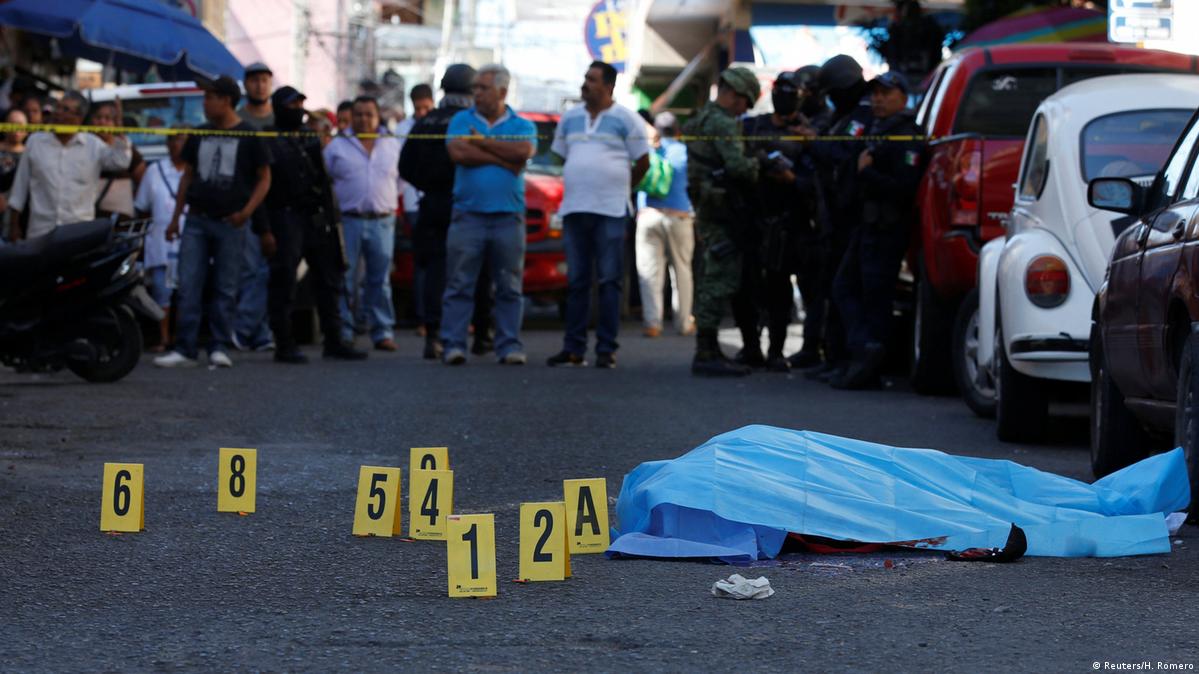
In Sinaloa, a death in December 2025 illustrates the issue. A man was found bound, with signs of torture and a written message. The case was not recorded as homicide in the local tally. It was filed as a cause of death to be determined, which kept it outside the homicide count. A local review found that the same month, the state prosecutor left dozens of cases out of the homicide total. They were grouped under labels such as “cause of death to be determined,” “homicide by confrontation,” or “aggression against authority.” In official reporting for that month, the state counted 128 homicide victims. The independent count reached 166 violent deaths for the same period. It also identified bodies and human remains in clandestine graves that were not added to the homicide statistic. These differences matter because state figures are forwarded into the national system. If similar practices occur elsewhere, the national trend can shift without a matching change in lethal violence.
The categories that are growing in the background
The national homicide line shows a clear year-to-year decline. Official totals cited for homicide victims fell from 30,062 in 2024 to 23,374 in 2025. The cited rate moved from 22.73 victims per 100,000 people to 17.53. Over the same period, the daily average was also reported to have fallen from 86.9 victims in September 2024 to 50.9 in January 2026. Yet growth in adjacent categories complicates any single reading. Reported victims in other crimes against life and physical integrity rose from 8,064 in 2018 to 17,288 in 2025. This bucket includes offenses that affect life or bodily integrity but are not counted as homicide. Separately, reported missing and unlocated people increased from 6,442 in 2018 to 12,733 in 2025. The national registry listed 131,822 missing and unlocated people as of February 16, 2026. The divergence does not confirm relabeling, but it highlights how cases enter each series.
What the new methodology is designed to capture
A revised federal framework is meant to reduce gaps in those shifts. The updated methodology expands the detail expected from state prosecutors. It aims to add variables, such as municipal location, to support consistency checks. A central change is a requirement to report not only the final statistical category, but also how the case was opened in the first place. That traces the initial legal hypothesis to the number that appears in a national table. The rollout plan also describes a transition period. Authorities planned deliveries of both the old and new methods during 2025 for validation and adjustments. The reform describes a retroactive delivery effective as of October 2024. It also describes consolidation, with the new methodology becoming the only intake from January 2026. If implemented evenly, the new system should make it easier to spot sharp movements in homicide that coincide with jumps in residual categories.
What this means for residents reading the numbers
For residents trying to interpret risk, one indicator rarely explains the full picture. Homicide reflects prosecutorial intake and classification. Disappearances can rise when bodies are not recovered, when reporting improves, or when investigations stall. A growing “other life” category can reflect better reporting, real increases in attempts, or shifting labels. The new methodology is designed to clarify which of those patterns is occurring, and where. It may also affect year-to-year comparisons during the transition window around late 2024 to early 2026. For expats, the most direct signal is usually local change over time. National declines can coexist with local volatility. The added reporting trail should help identify whether volatility is being recorded as homicide, deferred into other categories, or revised later. Updates can arrive after autopsy results. They can also follow new witness statements or a shift in the legal hypothesis. Monthly releases can include adjustments, so the most recent months are often the least settled.
With information from Secretariado Ejecutivo del Sistema Nacional de Seguridad Pública, SNIEG, RNPDNO