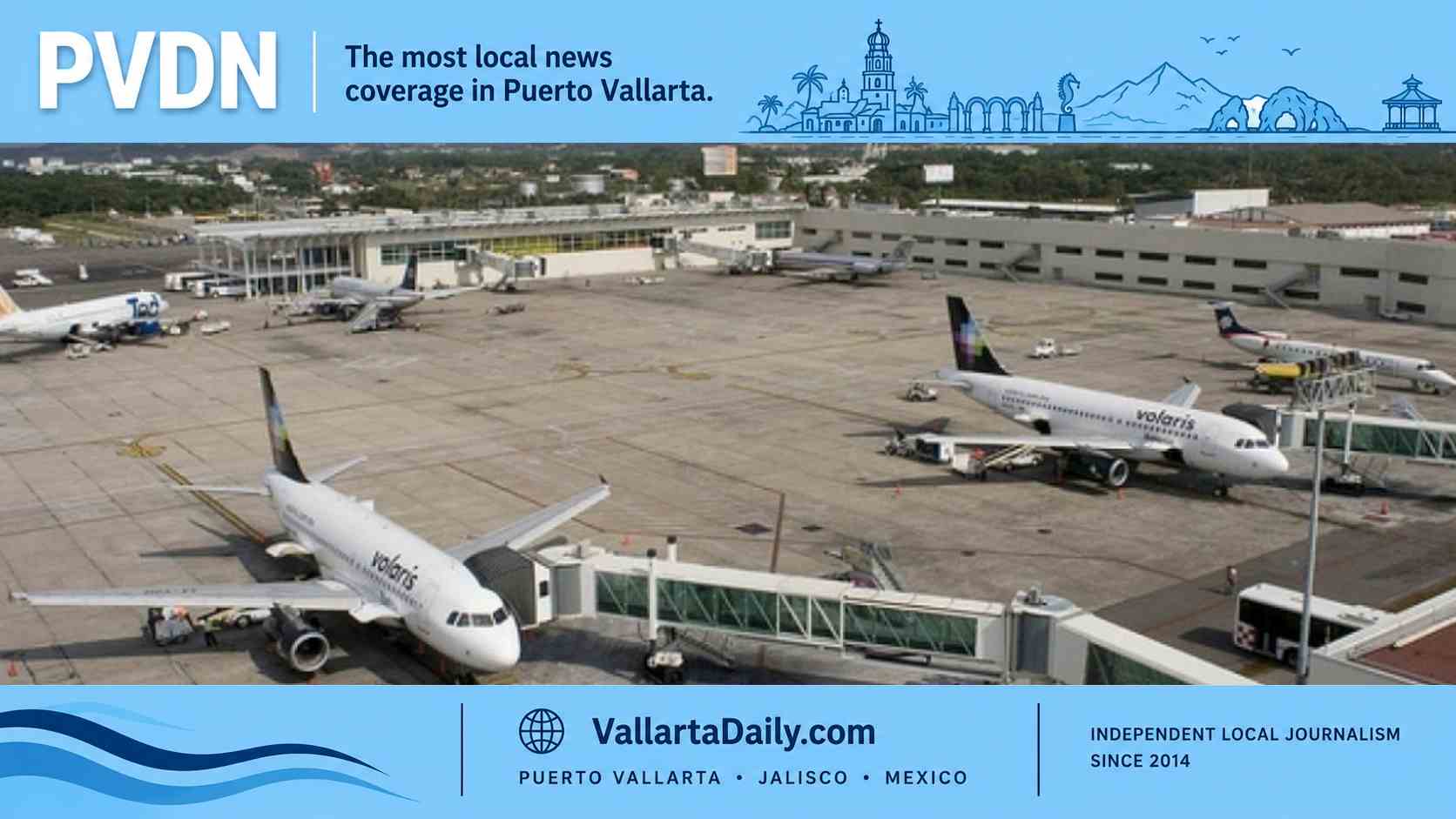
Aeroméxico is reducing some lower-margin flying and raising fares as higher fuel costs put pressure on its finances. The changes are part of a broader effort to protect margins while keeping demand steady across its network.
The airline is not pulling back across the board. Instead, it is managing capacity more selectively. That means routes or frequencies with weaker returns are more likely to be trimmed, while stronger international and premium routes remain central to the company’s strategy.
For travelers, the shift may show up in several ways. Some passengers could see higher ticket prices. Others may see fewer nonstop options, changed schedules, or more itineraries that connect through Mexico City.
The change comes as airlines worldwide face a sharp rise in jet fuel costs. Fuel is one of the largest expenses for any airline. When it rises quickly, carriers have limited choices. They can raise fares, cut weaker routes, reduce capacity, or use more efficient aircraft where possible.
What the airline is trying to protect
Aeroméxico entered 2026 with stronger revenue, but also higher costs. In the first quarter, the company reported revenue growth compared with the same period last year. At the same time, operating expenses rose as fuel, labor, maintenance, aircraft costs, and other expenses increased.
The pressure is not only about the price of fuel. A stronger Mexican peso also affects peso-denominated costs when results are reported in U.S. dollars. Inflation-related wage and salary increases added to the pressure.
Even so, the airline’s financial results show it is still drawing strong revenue from passengers. That matters because it gives Aeroméxico more room to raise fares without immediately losing demand. But there is a limit to how much passengers will absorb.
The company has been trying to recoup part of the fuel impact through fare changes and network adjustments. It has also described the reductions as focused on non-core, lower-margin flying, rather than a broad retreat from the market.
Why passengers may feel it through ticket prices
Airlines often sell tickets weeks or months before travel. When fuel costs rise after those seats are sold, the airline cannot go back and charge those passengers more. That creates a timing problem.
New bookings are where airlines try to recoup the increase. That is why fares may rise slowly at first, then become more noticeable as more tickets are sold under the new pricing environment.
For Aeroméxico, international routes appear to be an important part of that recovery strategy. Long-haul and cross-border routes can generate higher revenue, especially when demand holds up among business travelers, premium passengers, and visitors to family.
Domestic routes can be more sensitive. Many travelers in Mexico compare fares closely and may switch airlines if prices rise too much. That makes domestic flying a harder place to pass higher fuel costs on to without hurting demand.
This is why capacity cuts often accompany fare increases. Reducing seats on weaker routes can help an airline avoid flying planes that are not profitable enough under higher fuel prices.
Route cuts and schedule changes are already appearing
One visible example is the San Luis Potosí-to-Atlanta route. The nonstop service is expected to stop operating in May, with passengers instead being routed through Mexico City.
That route matters because Atlanta is a major U.S. hub. A nonstop link can be useful for business travelers, residents with family in the United States, and foreigners living in Mexico who connect through U.S. airports.
Other selected U.S.-Mexico route changes have also appeared in published schedule data. Some are listed as suspensions, while others appear as seasonal or longer-term cancellations. These types of changes can shift quickly, especially when airlines are reacting to fuel prices and demand.
Travelers should not assume every schedule change is permanent. Airlines often restore routes when demand improves, fuel prices ease, or aircraft are available. But for now, the direction is clear. Aeroméxico is being more selective about where it puts capacity.
For expats and frequent travelers in Mexico, the practical effect may be less about one route and more about flexibility. A trip that once had a nonstop flight may require a connection. A cheap fare may be harder to find. A preferred flight time may disappear from the schedule.
Mexico City remains central to the strategy
Mexico City remains Aeroméxico’s main hub and the center of many domestic and international connections. That gives the airline more control over how it moves passengers when nonstop routes are reduced.
For travelers, this can be both helpful and frustrating. Mexico City connections can preserve access to many destinations. But they can also add time, risk, and cost to a trip.
A short domestic flight becomes more complicated when it requires a layover. A weather delay or missed connection can affect the rest of the journey. For older travelers, families, and people carrying luggage, the convenience of a nonstop flight can matter as much as the fare.
This is especially relevant in resort and expat markets. Many foreign residents depend on air links for medical visits, family travel, visa appointments, and seasonal trips. Even small schedule changes can affect planning.
If fuel costs remain high, Aeroméxico may continue to favor routes with stronger yields. That usually means flights where passengers are willing to pay more or where aircraft can be used more efficiently.
A broader airline industry problem
Aeroméxico is not alone. Higher jet fuel costs are forcing airlines in several markets to rethink schedules, fares, and growth plans.
The challenge is simple. Airlines cannot stop buying fuel. They also cannot pass on every cost increase immediately. If fares rise too fast, some travelers stay home, delay trips, or choose cheaper carriers.
That balance is harder in Mexico because the market includes both full-service and low-cost airlines. Aeroméxico competes with carriers that often appeal to price-sensitive travelers. It also competes for international passengers who may compare options through U.S., Canadian, and Latin American hubs.
This makes the airline’s current strategy a balancing act. It needs to recover fuel costs without weakening demand too much. It also needs to maintain sufficient market capacity to protect its network.
The use of more efficient aircraft can help. Aeroméxico has highlighted aircraft such as the Boeing 787 Dreamliner and 737 MAX as part of its fleet strategy. Newer aircraft can reduce fuel burn per seat, though they do not fully shield an airline from a major fuel shock.
What travelers should watch next
The next signs will likely appear in summer and fall schedules. If fuel prices stay elevated, travelers may see more route suspensions, fewer frequencies, or higher fares on routes with strong demand.
Passengers booking from Mexico to the United States should watch nonstop options closely. Some routes may still operate, but not with the same frequency. Others may return later if demand supports them.
Domestic travelers should also compare flights earlier than usual. Last-minute fares may become more expensive if airlines reduce seats on certain routes.
For people living in Mexico, the bigger takeaway is that air travel may become less predictable this year. Aeroméxico is not signaling a crisis. It is signaling discipline. That means the airline is likely to protect profitable flying first and reduce weaker routes when costs demand it.
If fuel prices ease, some of the pressure could fade. If they stay high, travelers may need to adjust expectations. The cheapest and most convenient flights may be harder to find, especially on routes with thin margins.