New IOM data shows nearly 50,000 Asia Pacific migrants in Mexico without legal status as routes shift south and enforcement reshapes the journey.
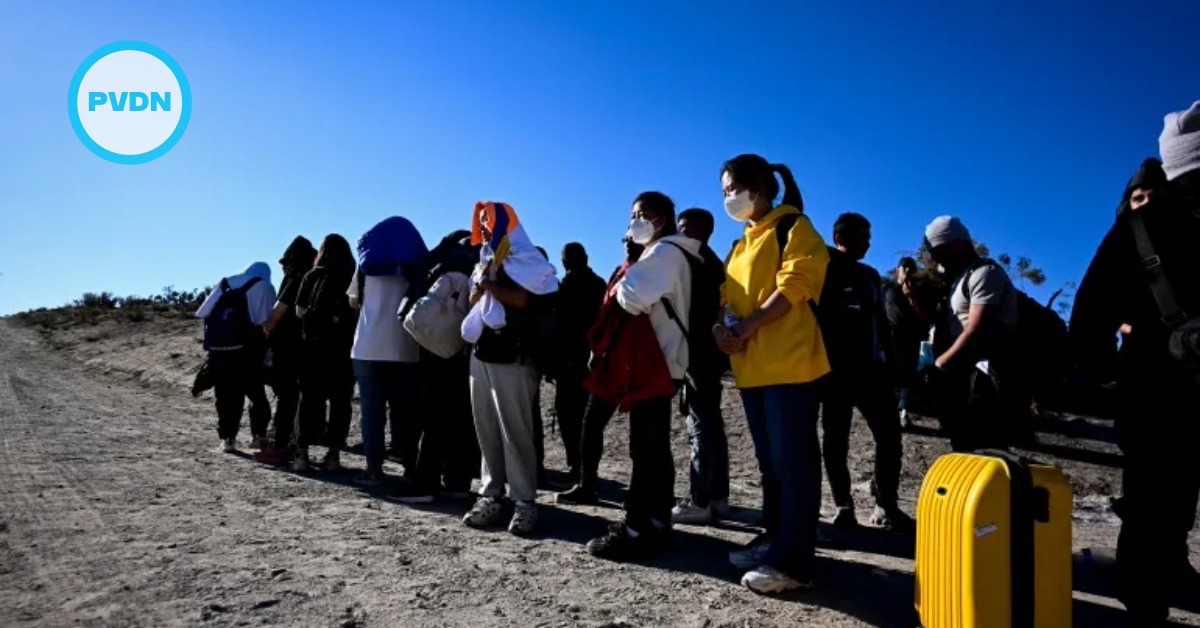
Mexico has long been a corridor for people heading north from Central America. New data now shows a different set of travelers moving along the same roads. The International Organization for Migration (IOM) reports that tens of thousands of people from Asia and the Pacific are passing through the country, many stuck in legal and personal limbo.
In its latest global overview of migration routes covering May to August 2025, the agency estimates that 47,400 people from Asia-Pacific countries were identified in Mexico without legal status during that period. That is not a small detail in the global picture. As of 2024, around 90.6 million people from Asia and the Pacific were living abroad, roughly one in every three international migrants worldwide.
The largest groups come from countries already familiar in global migration debates, such as India, China, Bangladesh, Afghanistan and the Philippines. Conflicts, political upheaval, economic inequality and climate-related disasters across the region have pushed more people to move. For a growing share of them, Mexico is now one of the main waypoints on a longer and often dangerous journey.
Asian migrants in Mexico
The IOM report underlines how quickly these flows have grown and how far people are traveling to reach Mexican territory. Many of the new arrivals first fly into South America or the Caribbean, using airports in Brazil, Surinam or Ecuador. From there, they move north overland, often paying smugglers to guide them through a chain of borders and checkpoints that eventually leads to Mexico’s southern frontier.
One of the most dangerous legs on that route is the Darién Gap between Colombia and Panama, a stretch of jungle that has become a deadly bottleneck for migration across the Americas. According to the same IOM analysis, some 28,100 people from Asia and the Pacific crossed the Darién during the May–August 2025 period alone. A significant share then continued onward into Mexico, adding to the 47,400 people identified there without valid documents.
Mexico’s own statistics help explain why this shift stands out. Just a few years ago, nearly all people in an irregular situation detected in the country came from nearby Central American nations. Today, those flows remain large, but they share space with a more diverse mix that includes travelers from China, India and other Asian states. Official figures show that irregular migration overall fell sharply in 2025 compared with 2024, yet the presence of people from Asia and Africa has grown both in absolute terms and as a share of the total.
The boom is not limited to people on the move without papers. Government data also shows a rapid rise in legal pathways. In 2023, Mexican authorities issued more than 5,000 temporary resident visas to Chinese citizens, making China the third-largest source country for new temporary residents after the United States and Colombia. That legal presence sits alongside a spike in irregular arrivals, particularly at Mexico’s southern border.
In the first quarter of 2024, Mexico’s National Migration Institute intercepted 16,859 people from Asian countries in an irregular situation, almost double the number from the same period a year earlier. Nearly a third were Chinese nationals. Local residents and business owners in border cities such as Tapachula describe a visible change in who is passing through town, noting growing numbers of people from places like Malaysia, Vietnam, Sri Lanka, India and the Middle East alongside the familiar flows from Honduras, Guatemala and El Salvador.
For the people behind the statistics, the stop in Mexico can last weeks or months. Some wait for appointments with U.S. authorities. Others seek asylum or humanitarian visas in Mexico itself. Many more simply try to find work or a safe place to regroup while they decide whether to keep going north or settle where they are. With limited access to information, legal advice or formal jobs, Asian migrants in Mexico often depend on informal networks and smugglers, which heightens their exposure to extortion, violence and exploitation.
Mexico’s changing migration challenge
The surge in arrivals from distant countries has landed at the same time as a broad shift in enforcement. IOM data shows that the number of irregular migrants processed by Mexican authorities between May and August 2025 fell by about 96 percent compared with the same months in 2024, dropping from more than 100,000 to just under 16,000. Mexican statistics for the first eight months of 2025 point in the same direction, with total detentions down sharply from the record levels of 2024.
This drop is tied to several forces moving at once. Tougher measures at the Mexico–United States border have reduced the number of people attempting to cross in certain stretches, while Mexico has increased checks in key transit states and expanded voluntary return programs. At the same time, visa policy changes in South American countries have disrupted the once popular path of flying into nations with relatively open entry rules and then heading north. When Ecuador ended visa-free entry for Chinese citizens in mid-2024, for example, migrants quickly started exploring new combinations of flights and land routes, including departures from Bolivia.
For Mexico, the challenge is not only about numbers but about profile. People arriving from Asia and the Pacific often have fewer family or community ties in the region than Latin American migrants, and may not speak Spanish or English. Advocates in southern Mexico say this makes it harder for them to access basic services, legal support or even clear information about their options. Some arrive with enough savings to stay in hotels or rent rooms, while others run out of money en route and end up in overcrowded shelters or on the streets.
There are also signs that Mexico is becoming more than just a transit country for some of these new arrivals. Researchers and officials tracking Chinese migration, for instance, note that a growing number of people from that country are opening small businesses or joining existing Chinese communities in cities such as Mexico City and in industrial hubs connected to nearshoring and manufacturing. The same is true, on a smaller scale, for migrants from South Asia and the Middle East who find work in services or logistics.
IOM and other international agencies argue that the shift demands a more coordinated response across the Americas. That includes safer legal pathways for those who qualify for protection or work permits, clearer information for people on the move, and more support for local communities that suddenly find themselves hosting large numbers of new arrivals. Without those tools, they warn, the combination of long-distance journeys, shrinking legal options and powerful smuggling networks will keep pushing people into the riskiest parts of the map.
For now, the numbers tell a simple story. Asia and the Pacific have become the world’s largest source of people on the move, and Mexico has become one of the key waypoints on that journey. How the country responds — and whether it leans more toward being a corridor, a destination, or a mix of both — will shape not just migration debates, but the lives of tens of thousands of people who have already staked their futures on reaching its territory.