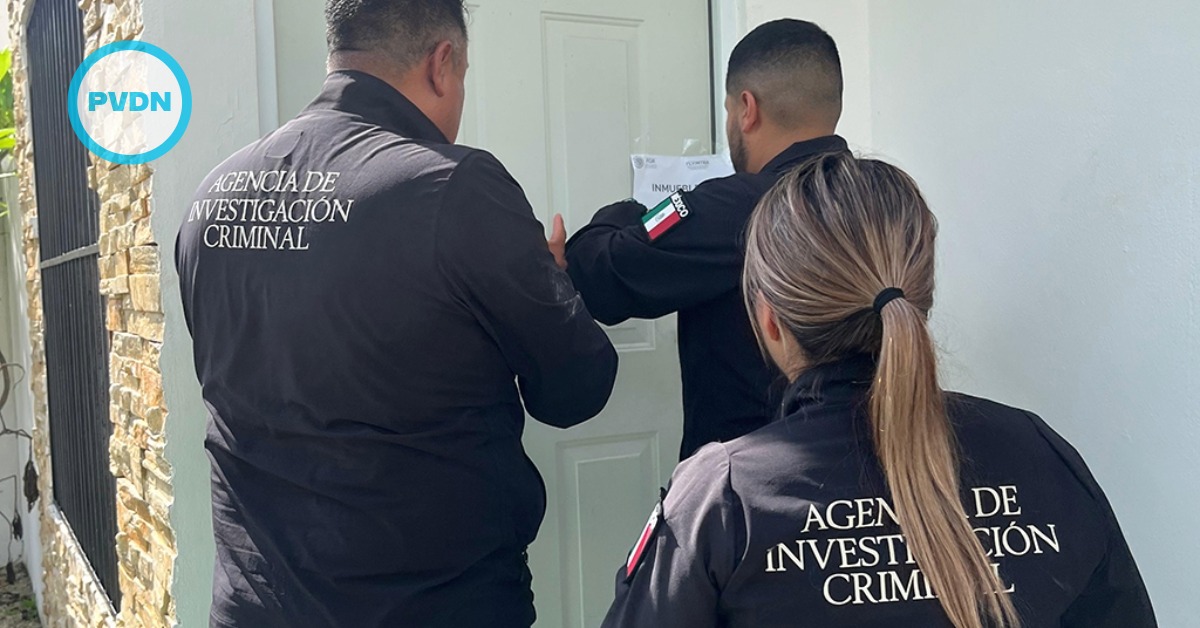
In Mexico, reported human trafficking cases have surged dramatically – up 45% in just one year – raising urgent questions. Experts warn this spike may be only the tip of a hidden iceberg, as most victims never come forward. What’s driving this alarming trend, and why do so many victims remain unseen? As authorities and activists intensify efforts to protect vulnerable women and children from exploitation, new insights emerge about the roles of tourist destinations, migrant routes, and organized criminal networks. The deepening crisis is sparking calls for action – but solutions remain complex.
A Surge in Reported Cases
Mexico is witnessing a sharp escalation in human trafficking reports. By the end of 2025, authorities recorded 1,150 human trafficking victims nationwide, a leap of 45% from the 794 cases documented the previous year. This means, on average, nearly a hundred victims were identified each month. While these figures are startling, specialists caution they reflect only officially reported incidents. The true scale of trafficking is believed to be far larger, given the many cases that go unreported.
Notably, certain regions account for a disproportionate share of the victims. The Caribbean state of Quintana Roo – home to popular tourist hubs like Cancun and the Riviera Maya – alone accounted for roughly half of all reported victims. The populous State of Mexico (surrounding much of Mexico City) and Mexico City itself followed, with about 11% and 7% of cases, respectively. These areas’ high numbers may partly result from better enforcement or higher activity, whereas many other states reported far fewer cases. In 2023, there were around 700 cases nationwide, so the jump to over a thousand in 2025 has rung alarm bells among officials and advocacy groups.
Hidden Crisis and Underreporting
Behind the rising statistics lies an even larger hidden crisis. Criminologists and human rights experts agree that human trafficking is grossly underreported in Mexico. Many victims never appear in official data. They are too afraid or unable to seek help – often trapped by threats, violence, or shame. As one security analyst notes, trafficking has one of the highest “cifra negra” (dark figure) rates of any crime: the vast majority of incidents remain in the shadows, never making it to police reports or court cases.
Victims of trafficking frequently face intimidation and coercion from their captors, who may threaten their lives or their families if they try to escape or report the abuse. Many are isolated, linguistically or socially, and fear retaliation or stigma. This means that the 1,150 victims counted last year are likely just a fraction of the real number. Specialists urge viewing the official figures as a rough approximation rather than a full measure of the problem’s magnitude. In other words, a rise in reported cases could mean more actual crime – but it might also reflect improved detection of what was already happening unseen.
Indeed, some experts suggest the recent increase may partly reflect improved enforcement in certain areas. For example, one state saw a spike in cases after a dedicated prosecutor aggressively pursued traffickers there. By contrast, other states may appear to have little trafficking simply because authorities aren’t looking hard enough or may even be in denial. Analysts point to places like Tlaxcala – a state long rumored to harbor trafficking rings – which show very few official cases, possibly due to local political cover-ups or lack of will to confront the issue. This uneven attention makes it hard to know where trafficking is truly most prevalent versus where it is simply most reported.
Women and Children Targeted
The human faces behind these numbers are overwhelmingly women and children. According to data from Mexico’s National Human Rights Commission, roughly 75% of identified trafficking victims are female, including adult women and underage girls. Only about a fifth of victims are men or boys. This reflects a grim reality: most commonly, traffickers prey on women and girls for sexual exploitation. They are forced into prostitution, pornography, or sexual servitude through violence and deceit. Many of these victims are minors – teenage girls or even younger – lured by false promises or outright abducted and sold.
Children, both girls and boys, are especially vulnerable. Traffickers target impoverished or runaway youths, or those from broken homes, and coerce them into horrific situations. Girls are frequently forced into the commercial sex trade. Meanwhile, boys (and some girls) can be pushed into other abusive roles: some are coerced into forced labor or made to commit crimes for gang bosses. There have been cases of criminal groups recruiting children to work as lookouts, drug couriers, or to engage in theft – forms of exploitation that also fall under human trafficking when minors are involved. In a recent analysis, experts expressed disbelief that “each year fewer victims are detected,” despite large waves of migration and social upheavals. They argue it’s implausible that trafficking is shrinking; rather, it’s likely that authorities are missing many youth victims, as traffickers become more sophisticated at hiding their crimes.
Labor Exploitation and Broader Trafficking
While sex trafficking grabs most headlines, labor trafficking is another major facet of the problem in Mexico. Many victims – including men, women, and children – are exploited in forced labor schemes. These can range from domestic servitude in private homes to toiling in farms, factories, or construction sites under inhumane conditions. Traffickers often lure workers from poor rural areas or indigenous communities with promises of good jobs, only to confiscate their IDs, impose debts, and trap them in modern-day slavery. Migrants passing through Mexico are also at risk – some are kidnapped or deceived into forced work along their journey north.
A dramatic example of labor trafficking came to light in mid-2025, when authorities raided a ranch in the central state of Guanajuato. There, they rescued approximately 700 people – including minors – who had been held and forced to work in exploitative conditions. The victims in that case had been recruited from some of Mexico’s poorest states (such as Guerrero, Chiapas, Oaxaca, and Veracruz) with false promises. Once on the ranch, they were effectively imprisoned and made to work, exemplifying how large-scale forced labor operations can hide in plain sight. This was one of the largest single rescues in recent memory, and it underlined that labor trafficking, while less visible than sex trafficking, is deeply entrenched.
Mexico’s anti-trafficking law recognizes a wide spectrum of exploitative purposes. Beyond sexual slavery and labor, it also outlaws trafficking for forced begging, organ removal, and forced criminal activity. In practice, cases involving organ trafficking or other less common forms are rarely reported, but forced begging rings (sometimes involving children or persons with disabilities) have been uncovered. All these forms share a common thread: vulnerable people are coerced or deceived, then exploited for profit. The rising poverty and instability in parts of the country – and the enormous profits traffickers reap – continue to fuel all forms of human trafficking.
Tourist Hotspots and Transit Routes
Several factors are compounding Mexico’s trafficking woes. One is the country’s role as a tourist magnet and a regional transit hub, both of which create opportunities for traffickers. The heavy concentration of cases in Quintana Roo is no coincidence – areas like Cancun, Playa del Carmen, and Cozumel attract millions of visitors and significant nightlife economies. Unfortunately, that also means a demand for illicit activities that traffickers eagerly supply. Organized rings traffic young women (sometimes even from abroad) into these resorts to work in bars, strip clubs, or brothels catering to tourists. For instance, in 2024, a joint Mexico-Colombia operation dismantled a network that was bringing Colombian women into Mexico and forcing them into sex work in Yucatán’s resort scene. The victims, mostly impoverished young women lured by fake job offers as waitresses, ended up trapped in Cancun and Mérida nightclubs until they were freed by authorities. This case underscored how international trafficking pipelines operate, targeting destinations with high tourist demand.
Mexico’s geography also makes it a key transit corridor for migrants, and traffickers exploit this ruthlessly. Thousands of migrants from Central and South America journey through Mexico each year, hoping to reach the United States. Along the way, many fall prey to criminal groups. In the southern border states like Chiapas and Tabasco, there have been disturbing reports of women disappearing, later suspected to have been trafficked by gangs that prey on migrants. One notorious gang, a Venezuelan crime network known as the “Tren de Aragua,” has been implicated in spreading sex trafficking along migrant routes and in border towns. Their presence in recent years is believed to be one factor contributing to the uptick in cases. Migrant women and girls, in particular, often travel with little protection and can be coerced into prostitution or domestic servitude under threats of violence.
Even within Mexico, internal migration and tourism can put people at risk. Popular party destinations such as Puerto Vallarta on the Pacific coast have also been cited for high trafficking incidence. Wherever people are on the move – whether for travel or to escape hardship – traffickers see opportunities to recruit or abduct victims. They often use deceptive tactics: posting false ads for jobs like modeling, waitressing, or farm work, then trapping applicants once they respond. The bustling airports, bus stations, and highways of Mexico thus become key conduits for moving victims. Alarmingly, experts note that an estimated 80% of trafficking-related transports happen via legal, public channels like commercial airlines. Traffickers often fly their victims on normal passenger flights, betting that no one will notice the crime in progress.
Fighting Back: Enforcement and Awareness
Confronting the human trafficking crisis in Mexico requires action on multiple fronts. Authorities have been stepping up efforts, though progress is uneven. Law enforcement crackdowns have intensified in some regions, leading to more rescues and arrests. The recent surge in reported cases might partly reflect these improved efforts. Specialized anti-trafficking units exist – for example, a federal anti-trafficking police unit and state-level task forces – and there are signs of increased coordination. Since the early 2000s, Mexico has strengthened its legal framework, with a comprehensive anti-trafficking law and an Inter-Secretarial Commission guiding policy. In the best cases, when local officials are committed, trafficking rings are pursued, and victims get assistance. The 700-person rescue in Guanajuato, for instance, involved a coordinated operation with state police, the National Guard, and even human rights observers – showcasing what a determined response can achieve.
However, enforcement gaps remain a major challenge. Corruption and complicity can undermine anti-trafficking efforts. When officials turn a blind eye or even collude with traffickers, it creates safe havens for these crimes. The contrast between proactive states and those in denial is stark. Activists argue that more training and resources are needed for police and prosecutors across the board, so that they can better recognize trafficking situations (which are sometimes mistaken for other crimes) and build strong cases against perpetrators. There’s also a need for greater protection and support for victims who do come forward, so that more people are willing to testify against traffickers without fear of retaliation.
Beyond law enforcement, awareness and prevention initiatives are crucial. Mexico has been ramping up public awareness campaigns to help people spot the signs of trafficking and to discourage potential buyers of sex or forced labor. Notably, the private sector has joined in: airlines, bus companies, and hotel chains are training their staff to identify and report possible trafficking. For example, national airline Aeroméxico, in partnership with the United Nations, has trained virtually all its pilots and flight attendants to notice indicators of trafficking during flights. Crew members have a protocol to discreetly alert authorities if they suspect a passenger is a victim. Thanks to this vigilance, there have been cases where young women and even minors were identified mid-journey and rescued upon landing. In one such case, flight attendants noticed a lone teenage girl on a domestic flight under suspicious circumstances – their intervention led to an investigation that saved the girl from a trafficking situation. These kinds of frontline efforts can make a life-or-death difference, given how often traffickers use regular transportation to move victims.
Looking ahead, experts warn that Mexico must be proactive, especially with major events on the horizon. History shows that big international events – like world sporting tournaments or large festivals – tend to coincide with spikes in trafficking and sexual exploitation. With Mexico set to co-host the 2026 FIFA World Cup, for example, there are concerns that traffickers will try to capitalize on the influx of visitors. Members of the country’s anti-trafficking commission have urged authorities to develop strategies now to mitigate this risk – from ramping up surveillance around event venues to running public awareness drives for tourists and locals alike.
Ultimately, the fight against human trafficking in Mexico is far from straightforward. It requires sustained commitment across society – from government agencies and law enforcement to community organizations, businesses, and international partners. The recent jump in reported cases has at least shone a spotlight on the issue, creating momentum to tackle it. Survivors’ advocates emphasize that every victim is a person whose freedom and dignity have been stolen, and that freeing them and holding traffickers accountable must remain a moral imperative. By strengthening institutions, closing loopholes, and continuing to educate the public, Mexico hopes to turn the tide on what has been called one of the most heinous and complex crimes of our time.
With information from El Universal, La Jornada, INTERPOL News