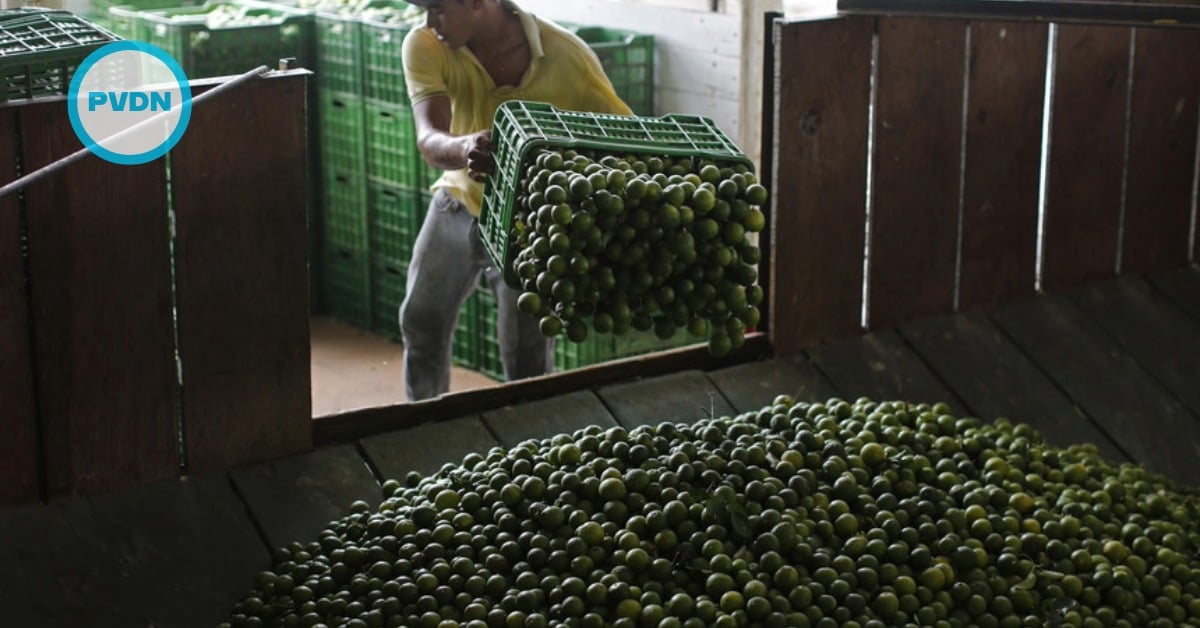
A day after the murder of Bernardo Bravo in Apatzingán, the picture sharpened: five criminal groups are vying to control the lime economy in Tierra Caliente. Police announced fresh arrests while growers describe extortion that reaches from orchards to packing lines and highways. This story connects the killing to the scramble for pricing power and transport routes, and names the groups now competing for the trade — and what that means for families who depend on the harvest.
The murder of a lime growers’ leader exposed a fight that never really paused. On Monday, October 20, 2025, Bernardo Bravo — president of the Apatzingán Valley citrus association — was found dead in his vehicle near Apatzingán. He had warned for weeks about criminal “quotas” that producers could not afford. Last year, the federal government even sent troops to guard harvests and convoys, a measure that calmed little and convinced few. The pressures returned as soon as soldiers left the fields.
Michoacán lime cartels
State and federal authorities now say Michoacán lime cartels are fighting openly for the money that flows through Tierra Caliente’s packing houses, loading docks, and highway checkpoints. Five organizations are in play: Jalisco New Generation (CJNG), Cárteles Unidos, the Knights Templar, the Cártel de Tepalcatepec, and La Familia Michoacana. Those names are not theoretical. They map to territory and to the men who decide when a grower can cut, who can ship, and how much each kilo must “pay.” The list comes from state briefings after Bravo’s killing.
Bravo’s death triggered quick arrests. On Wednesday, October 22, Security Minister Omar García Harfuch told senators that a second suspect had been detained. Hours after the body was found, investigators had already arrested Rigoberto López Mendoza in the Apatzingán area, carrying identification tied to the same growers’ association Bravo led — a detail that fueled suspicions of organized crime infiltrating producers’ groups. The minister pledged to keep the operations going and emphasized that new rules will allow anonymous extortion complaints.
In the orchards, the economics are brutal. Gunmen don’t just demand a cut; they set the rhythm of the harvest and the price on the dock. If a grower refuses, shipments stall or trucks burn. In August, more than half of the region’s packing houses closed temporarily after fresh demands for “quota” payments, illustrating how easily a criminal order can freeze a legal market. That stoppage rippled down to pickers and up to national supply.
The fight is not new. A decade ago, lime producers helped launch the country’s most significant vigilante movement after cartels seized packing plants, dictated prices, and even told families when to cut their fruit. The groups have rebranded and recombined since, but the playbook remains: dominate the corridor, tax every crate, starve rivals of road access, and intimidate the people who speak in public. Bravo spoke. Then he was silenced.
What it means for growers
For families in Apatzingán, Buenavista, and Tepalcatepec, the stakes are immediate. When one group tightens its grip, another strikes at the road or a packing line. Producers pay the new “fee,” then pay the old one again to keep peace with a different crew at the next checkpoint. After Bravo’s killing, state officials and witnesses described how cells aligned with larger brands — Viagras and Blancos de Troya among them — mediate day-to-day shakedowns and move between banners as the balance of power shifts. The names change, the invoices don’t.
Two things can be true at once. Arrests may keep pressure on the most visible operators in the short term. Yet growers, who live in the same towns as the men who extort them, still have to move fruit tomorrow. That is why Bravo’s colleagues say any real fix must include safe reporting channels, predictable patrols on harvest days, and simple guarantees that trucks won’t be stopped three times between the orchard and the dock. The government says a new extortion law will allow anonymous complaints and faster cases; producers will judge it by whether the next convoy gets through without paying.