Cofepris lists Mismaloya as Puerto Vallarta’s only beach not fit for swimming, with 482 enterococci found ahead of winter holidays.
Puerto Vallarta is heading into its busiest stretch of the year, and the latest federal seawater testing carries one clear message for swimmers: most local beaches tested within health limits, but Mismaloya did not.
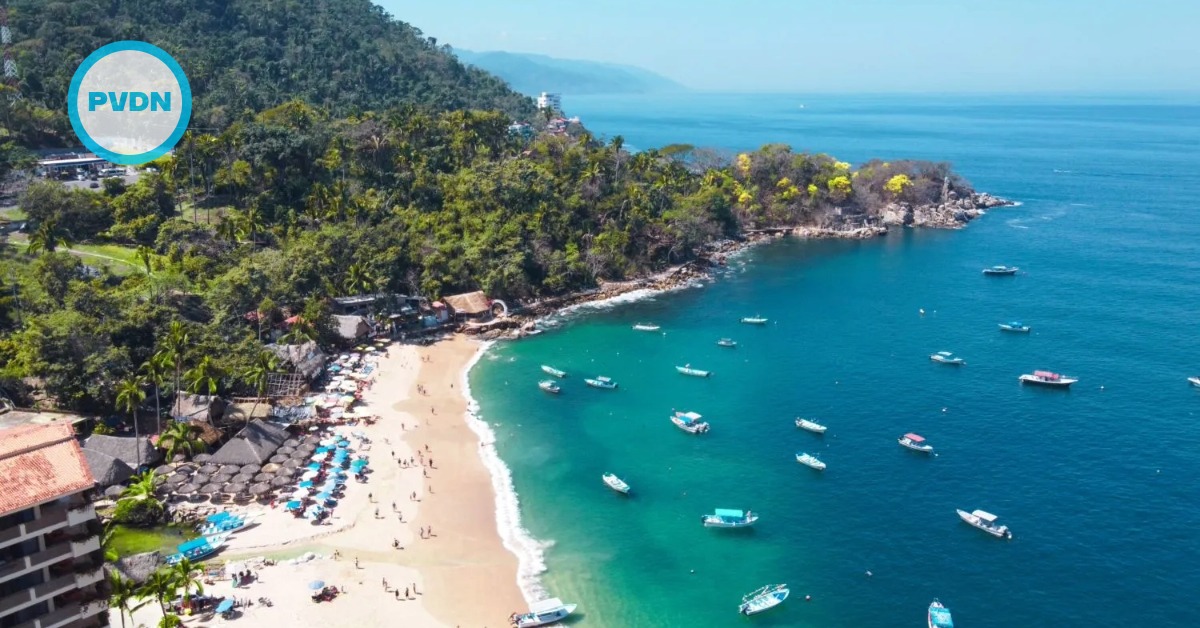
Federal authorities classify Mismaloya as unsuitable for recreational use right now, based on bacterial levels measured in the most recent monitoring window. For residents, winter visitors, and day-trippers alike, that matters because Mismaloya is often a “quick choice” beach when the city fills up and the south shore feels like an escape.
A nationwide snapshot before holiday travel
The results come from the Third 2025 Monitoring of Seawater Quality, coordinated by Mexico’s federal health-risk agency Cofepris and the environment ministry Semarnat. The monitoring covers 289 recreational beaches across 76 tourist destinations in 17 coastal states, with results published through the “Playas Mx” mobile app.
During the pre-vacation sampling period, state sanitary-risk teams and the National Network of Public Health Laboratories analyzed 2,233 seawater samples. Authorities reported that 283 beaches, or about 98 percent of those monitored, met the microbiological criteria used to judge whether water is safe for recreation.
The same report flagged six beaches nationwide as not meeting that standard. Along with Mismaloya in Jalisco, the list includes one beach in Baja California, two in Sonora, and one each in Tamaulipas and Veracruz. Federal officials say local beach committees are expected to carry out immediate sanitation actions at the sites that exceeded limits, with the goal of reducing health risks for national and international tourists.
Mismaloya beach warning in Puerto Vallarta
For Puerto Vallarta, the headline is straightforward: Mismaloya was the only monitored beach in the municipality that exceeded the guideline used in this program. The reported level at Mismaloya was 482 enterococci per 100 milliliters, more than double the 200-enterococci threshold cited as the benchmark for acceptable water quality.
Enterococci are bacteria used as an indicator. In plain terms, a high reading suggests the water may have been impacted by fecal contamination and that other disease-causing organisms could be present as well. The test does not identify the source. It does tell authorities and the public that swimming and splashing carry higher risk than usual at that specific site, especially if you swallow water.
Other Puerto Vallarta beaches in the same monitoring round recorded much lower figures. Gemelas was reported at 10, Los Muertos at 20, Cuale at 150, Oasis (Holi) at 101, Las Palmas at 18, Camarones at 45, Yelapa at 82, Quimixto at 37, and Las Ánimas at 33. The monitoring window for these results ran from November 24 to December 4.
It is also worth noting what changed since the last published sampling in July. Two Puerto Vallarta beaches, Playa del Cuale and Playa Camarones, are listed among the locations that moved from “not suitable” in the previous round to “suitable” in this third sampling. That kind of swing is a reminder that beach-water status is not a permanent label. It can change with weather, currents, and local conditions.
What this means for swimmers and families
If you have guests in town, the safest move is simple: treat Mismaloya as a “look, don’t swim” beach until the next update shows it back within limits. Enjoy the view, the restaurants, and the boat traffic, but pick another beach for full-body water time.
If you do enter the water anywhere, basic precautions still help, even when results are green. Try not to swallow seawater. Keep small kids from playing where runoff collects near streams, especially after rain. Shower after swimming, and rinse cuts or scrapes promptly. If anyone develops stomach symptoms, an ear infection, or a rash after ocean time, consider the beach and date as useful context when speaking with a clinician.
For travelers, the bigger takeaway is how to stay current. Cofepris and Semarnat are pushing residents and visitors to use Playas Mx to check the latest readings and status before planning a beach day. The app is meant to make the information easy to find, without waiting for headlines, and it can be especially helpful if you are road-tripping to other coastal destinations during the holidays.
Authorities also repeat a message locals know well but visitors sometimes forget: beach water quality is a shared responsibility. Trash, pet waste, and careless dumping all add pressure to the same coastal systems that make Vallarta attractive in the first place. Keeping public beaches clean does not fix every upstream problem, but it does remove one avoidable source of contamination while sanitation teams do their work.