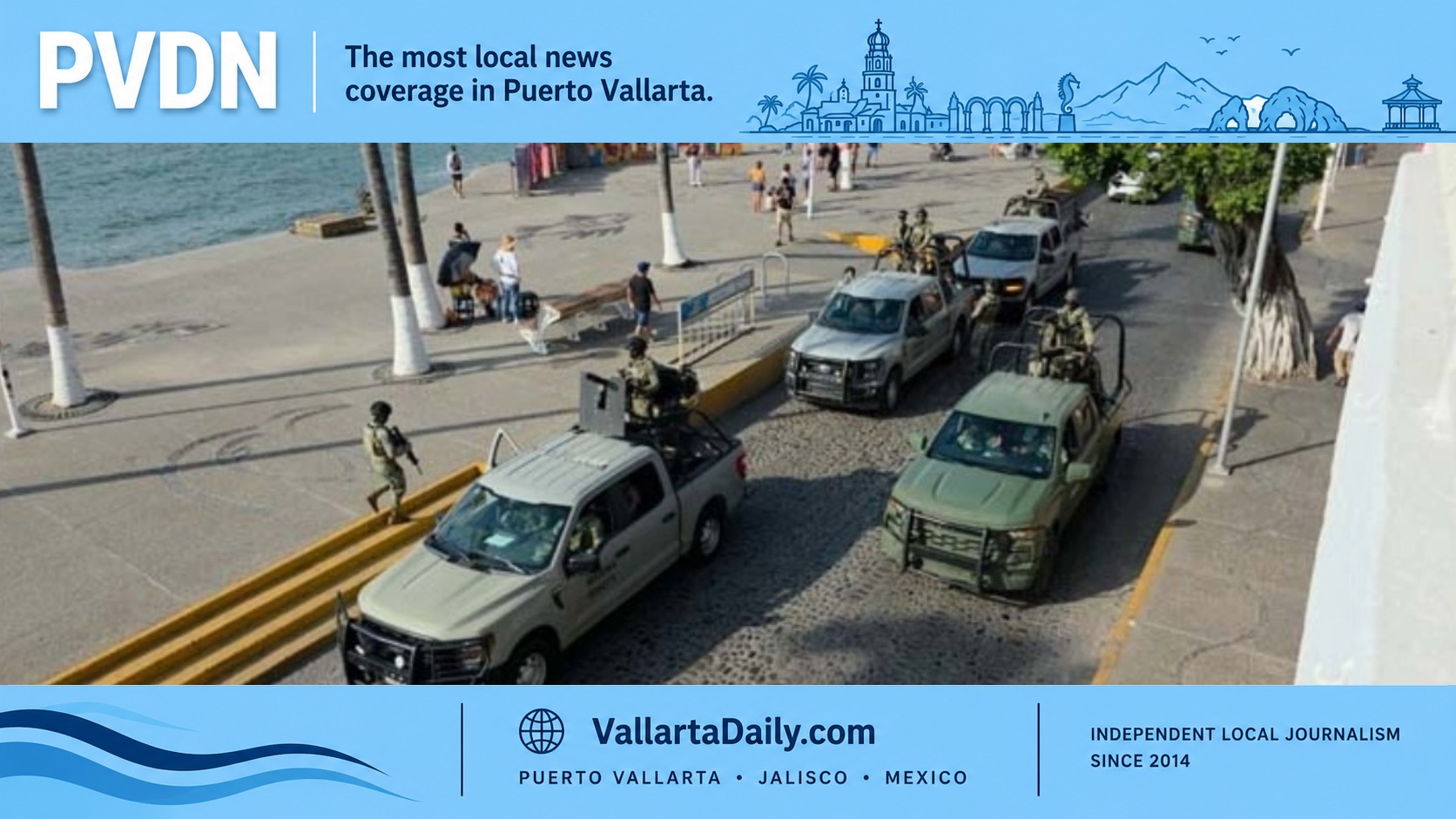
Puerto Vallarta, Jalisco, July 27, 2026 – Jalisco will expand coordinated security patrols in Puerto Vallarta over the coming weeks, bringing the Navy, Army, state police and municipal officers into a more visible operation across the city.
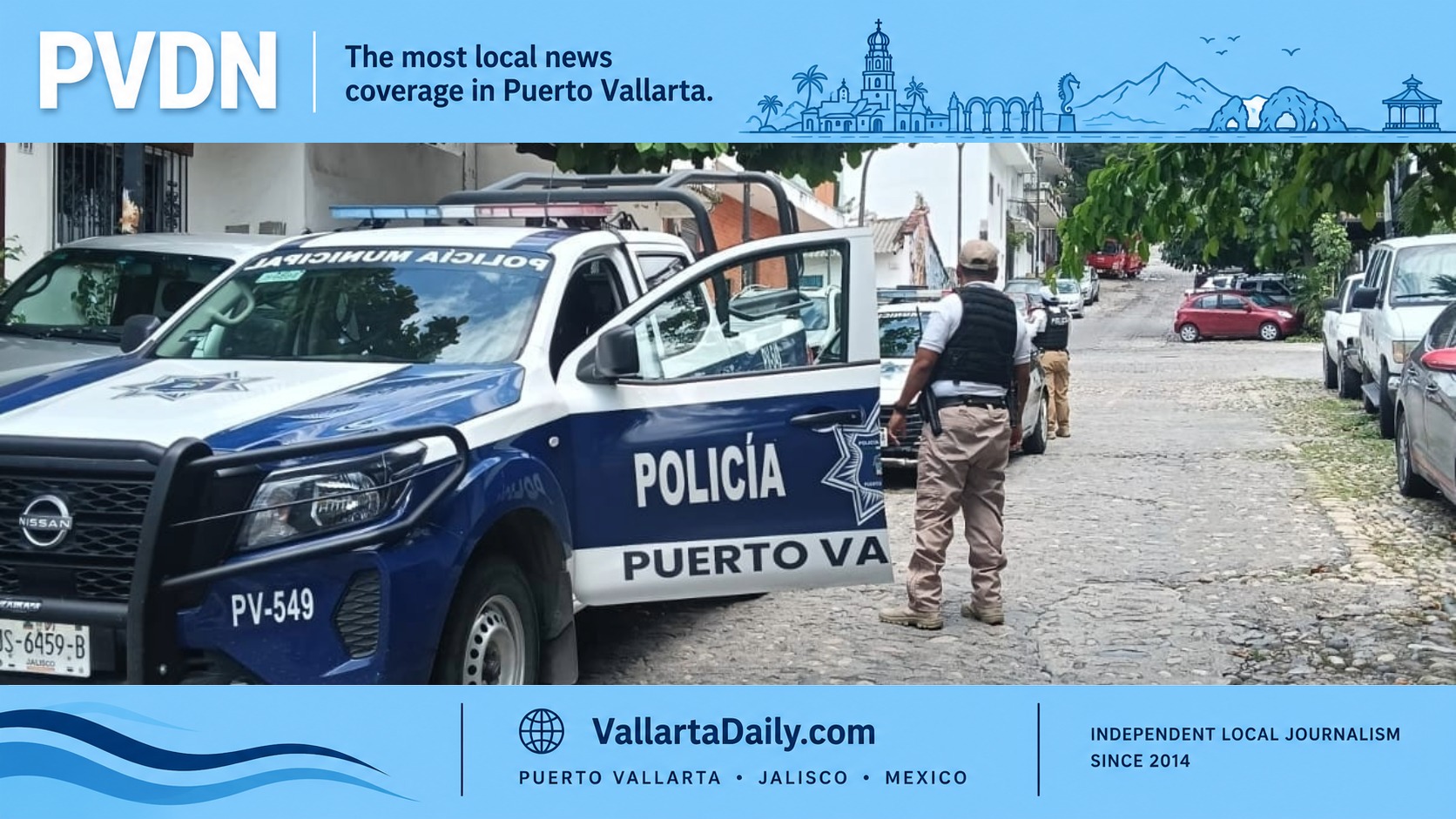
The announcement adds a state-led response to the municipal security measures introduced in recent months. Jalisco Security Secretary Juan Pablo Hernández González said the agencies will strengthen their presence in the streets through joint operations involving the Navy, the Army’s 41st Military Zone, Jalisco State Police and the Puerto Vallarta municipal police.
State officials also plan to bring the Jalisco Security Cabinet to Puerto Vallarta on Thursday, July 30. The meeting will give senior security officials an opportunity to review local conditions and coordination between the participating agencies.
Hernández did not announce the number of additional officers, patrol vehicles or specific areas where the expanded operations will be concentrated. He said the intention is to increase the public’s contact with a visible security presence.
The decision follows the release of INEGI’s latest National Urban Public Security Survey, which found that 65.4 percent of adults surveyed in Puerto Vallarta considered the city unsafe. That compared with 59.9 percent in March and 27.3 percent in June 2025.
The increase between March and June was not statistically significant, while the annual change was. Puerto Vallarta’s June result was also 5.6 percentage points above the national urban average of 59.8 percent.
The survey measures public perception rather than the number of crimes committed or reported. Interviews used in the latest results took place between May 22 and June 12, meaning recently introduced patrol measures would have had little or no time to influence the responses.
Jalisco Strategic Security Coordinator Roberto Alarcón said authorities believe public concern remains influenced by the violence of February 22, when roadblocks, vehicle fires and attacks disrupted transportation and daily activity across Puerto Vallarta. Airlines canceled flights, roads were closed, and people were instructed to remain inside until authorities regained control.
That day produced a sharp break from Puerto Vallarta’s previous safety image. The city had recorded a 27.3 percent perception of insecurity in June 2025 and remained among the country’s urban areas with relatively low concern through the end of that year.
Security deployments have expanded since February. Two hundred Army personnel arrived in May, while the municipal government has since placed 35 additional patrol vehicles into service. Mayor Luis Munguía has also outlined neighborhood prevention programs and additional municipal security measures.
State officials maintain that Puerto Vallarta is not classified as a security red zone. At the same time, recent operations continue to show active organized-crime concerns in rural parts of the municipality, including the investigation of a property in El Zancudo where authorities seized weapons, tactical equipment and vehicles.
Thursday’s Security Cabinet meeting will be the next indication of whether the state’s announcement leads to additional personnel, targeted operations or longer-term changes in police coverage. The next quarterly INEGI survey will provide the first broader measurement of whether public confidence begins to recover.