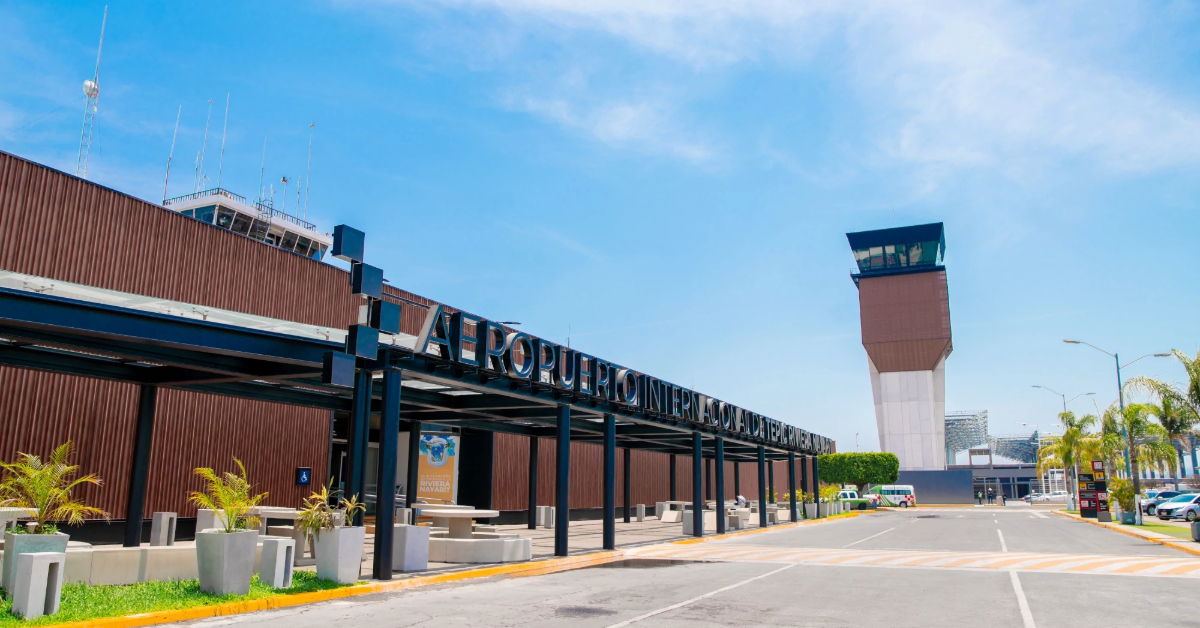
Tepic News – The Riviera Nayarit region is poised to become a major travel gateway after Grupo Aeroportuario Turístico Mexicano unveiled plans to expand international and ground connections. Investments at the Tepic–Riviera Nayarit International Airport aim to reverse its historic weakness in air service. New routes will link the coast to North America, while a public‑private ground network promises easy access to key tourist areas.
Riviera Nayarit connectivity hub
This Riviera Nayarit connectivity hub hinges on three new long‑haul routes set to begin in December. Air Canada and WestJet will fly direct from Vancouver and Calgary. United Airlines will connect Houston, and Volaris recently added Los Angeles service. These moves position Tepic alongside Guadalajara as a regional competitor to Mexico City’s AICM.
At a recent airport ceremony, executives detailed plans for further links to Phoenix, Monterrey and Toluca. The proposals also include a ground shuttle network connecting the airport to intermodal terminals at Guayabitos, Huanacaxtle and Nuevo Nayarit. These terminals lie 50 to 75 minutes from the airport and serve as departure points to destinations such as Costa Canuva, Sayulita, Punta Mita and coastal hotels.
The project’s backbone is a public‑private partnership between Aeropuertos y Servicios Auxiliares and Aeropuertos Mexicanos, part of José Miguel Bejos’s Mota‑Engil México. It aims to offer hourly transfers in 45‑passenger coaches and 19‑seat sprinter vans at competitive rates. The goal is to prevent the price collusion that hinders other tourist corridors, such as the Riviera Maya.
Airport growth and new routes
Under Governor Miguel Ángel Navarro Quintero’s oversight, the Nayarit government also supports this integrated network. By adding more hotels to the direct route from the airport, local businesses can tap into new visitor flows. For tourism operators, this marks a shift from relying on road access alone.
Road and rail delays
Despite ambitious airport upgrades, road infrastructure remains stalled. In February, Secretary Jesús Esteva announced five new highways under the 2025–2030 National Highway Infrastructure Plan, with an investment of 30.6 billion pesos for 295 kilometers. Projects cover Córdoba‑Orizaba, Cardel‑La Tinaja, the Nuevo Laredo bridge, Nueva Italia‑Lázaro Cárdenas and the Tijuana‑Ensenada bypass.
A June update at the National Palace added three more corridors—Las Varas–San Blás, Tepic–Compostela and the Gulf North Corridor—totaling 769 kilometers and 69.5 billion pesos. Yet none have broken ground. The General Directorate of Highway Development, led by Rafael Cervantes de la Teja, has failed to finalize concessions. Without signed agreements, roadworks lack start dates, leaving travelers and freight without reliable land routes.
Regulation and public space reforms
Beyond mobility, recent regulatory changes will affect businesses across Mexico. Luis Hernández Martínez of Vissión Firm México warns that new anti‑money‑laundering reforms now include real estate development and virtual assets. Companies must adopt a risk‑based system with audits, automated controls and ongoing staff training. Lower thresholds for reporting increase scrutiny and raise stakes for non‑compliance.
Meanwhile, in Puebla, local authorities tackled street vending in the historic center. Mayor Pepe Chedraui’s coalition with defense, navy and security forces cleared key tourist corridors. Vendors were removed without incidents, and businesses hailed the move. Improved pedestrian flow suggests Puebla could model a sustained, walkable city center rather than a temporary showpiece.
With these developments, Riviera Nayarit connectivity hub aspirations face both promise and challenge. New air and ground links will open the region to global travelers. Yet without parallel road progress, the full vision remains on the drawing board. As airport upgrades accelerate, the federal government’s next steps on highways will determine whether Riviera Nayarit can truly claim its place as Mexico’s newest travel hub.
Riviera Nayarit, airport connectivity, infrastructure, tourism, Grupo Aeroportuario Turístico Mexicano