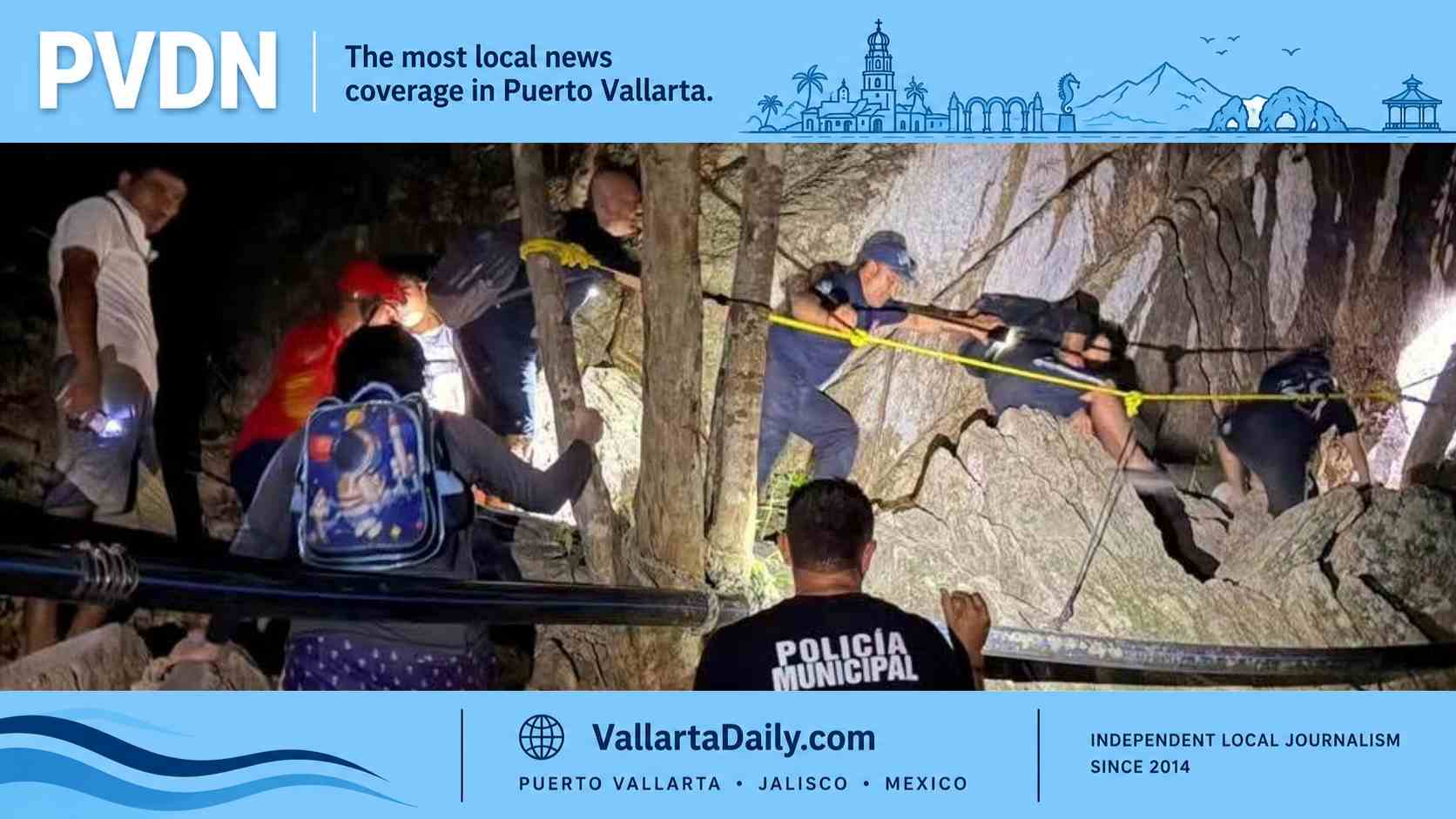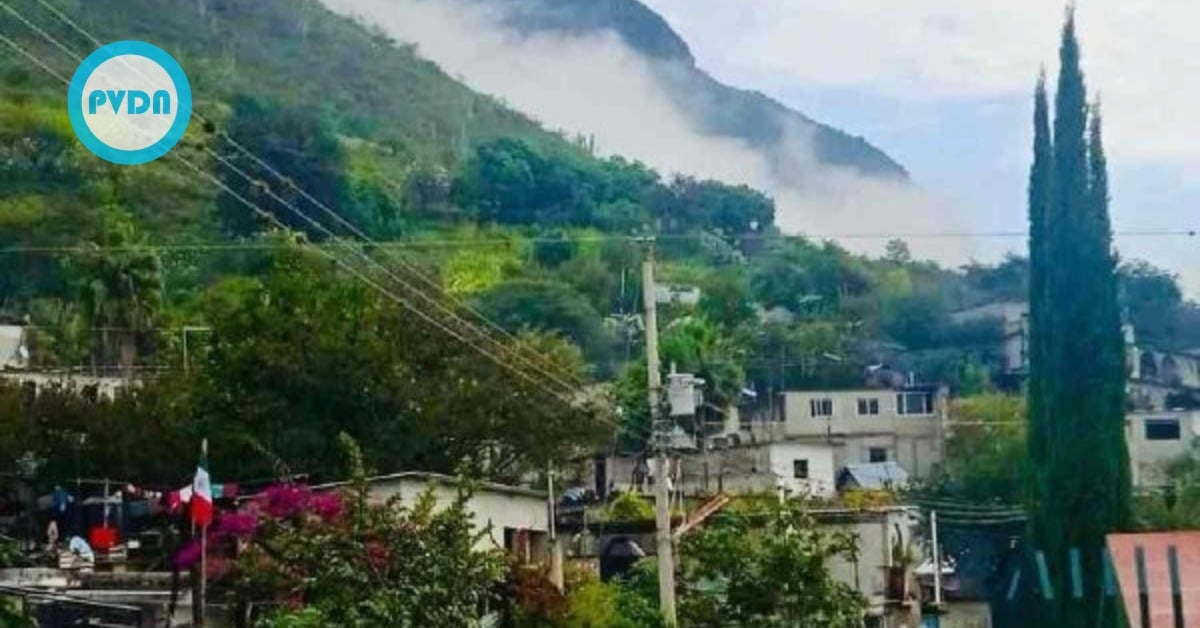
A quiet mountain community became the scene of a deadly vigilante attack that left five people dead and burned. Authorities say the victims arrived on Monday, Sept. 29, and by Tuesday, a charred vehicle with human remains was found in Santa María Texcatitlán. Initial lines of investigation suggest that alleged high-interest loan collections and long-standing local conflicts may be involved. Names are emerging, identifications are pending forensic work, and the governor has promised updates. What remains clear is the fear and mistrust that set the stage for this tragedy.
Oaxaca lynching case
Five people were killed and their bodies set on fire in Santa María Texcatitlán, a remote community in Oaxaca’s Sierra de Flores Magón. Oaxaca’s prosecutor said the victims were found inside a burned vehicle in the Llano Amarillo area after authorities went searching for five missing people on Tuesday, Sept. 30. Early findings indicate the group had arrived a day earlier, Monday, Sept. 29, and that residents detained them before the killings. Forensic teams are working to confirm identities and causes of death. AP News
Investigators are looking at two threads that have become grimly familiar in rural conflicts. The first is a possible dispute linked to alleged high-interest collections—what locals often refer to as “gota a gota” loans. The second involves longstanding local tensions, including agrarian conflicts and reports of illicit activity in the area. Officials say these are preliminary findings and stress that DNA work is underway before any conclusions are drawn.
Local reporting names the victims—among them a practicing lawyer—and describes how residents pursued a white GMC Acadia before detaining the occupants. Authorities later found the vehicle burned in Llano Amarillo. While names circulated in regional media, the prosecutor’s office maintains that formal identification will come from genetic testing, a process that can take days. The insistence on DNA reflects how chaotic these scenes are: rumors outpace facts, and families still need certainty.
What we know so far about the arrests that never came
Accounts collected by state and federal outlets describe a rapid escalation: residents reportedly confronted the group over an alleged theft tied to a neighborhood businesswoman; state police responded but withdrew under threat from the crowd; by the following day, authorities returned to find only a burned-out vehicle and remains. That sequence—detention by residents, a failed police intervention, and a fatal outcome—is tragically consistent with past cases in isolated regions where government presence is thin and trust is thinner.
The suggestion that the victims were connected to high-interest lending adds a volatile layer to the investigation. Reporters at El Financiero and other outlets note community claims that the group was tied to a “gota a gota” network—informal loans repaid under intimidation—though prosecutors have not filed charges against the dead and continue to treat the case as a homicide investigation. It serves as a reminder that allegations, even those widely believed, are not verdicts. Due process ends where a mob begins.
The broader picture behind a brutal pattern
This is not an isolated event. The Associated Press points to earlier mob killings in southern Mexico, including a March case in Oaxaca and a 2024 killing in Guerrero. Mexico’s National Human Rights Commission (CNDH) flagged lynchings as a severe expression of public distrust in 2019, counting 271 vigilante killings in 2018 and documenting a steady rise in such incidents. The numbers may be dated, but the dynamic is current: insecurity, impunity, and state absence fuel communities to take justice—wrongly and often fatally—into their own hands.
Governor Salomón Jara has publicly condemned the killings and said the case was reviewed at the state Security Table. The prosecutor’s office has committed to sharing more as identification and investigative work advance. In practical terms, that means lab-confirmed names, a reconstruction of the hours between detention and deaths, and any credible tie to loan-collection schemes or local disputes. Those steps matter not just for accountability, but for the families whose loved ones left home and never returned.
What happened in Santa María Texcatitlán is a story about fear and power. Residents feared crime and saw little recourse; a group of people held more power in a crowd than they believed the law could offer. Five people are dead, a town is traumatized, and a state justice system is now racing to reassert the rule of law after it was most needed and least present. The “why” will arrive in fragments—lab results, phone records, testimonies—but the “how” is painfully familiar.