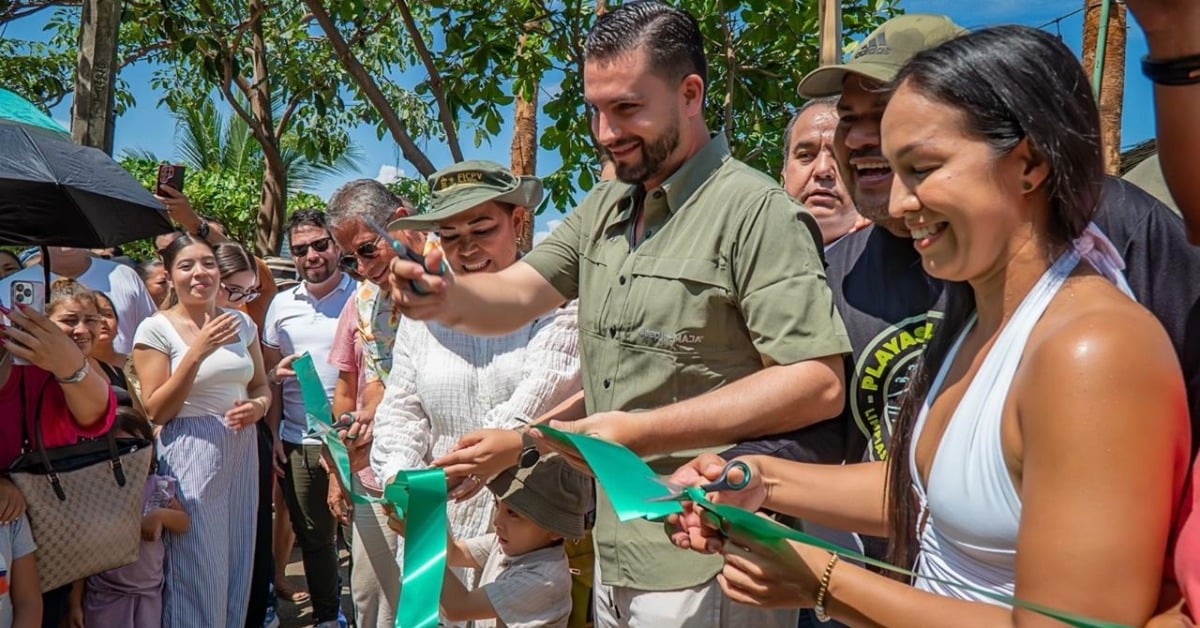
A public beach club with real services and universal access just opened on Playa Palmares, and it didn’t arrive quietly. Live music, a ribbon-cutting by Mayor Luis Ernesto Munguía, and a daylong festival set the tone. What matters now is whether this model—restrooms, showers, ramps, a lifeguard tower, lighting, and parking—becomes standard across Vallarta’s coast as promised for Camarones and Holi. Here’s what opened, why it matters for residents and visitors, and what the law actually guarantees you at the beach.
Palmares Beach Club Puerto Vallarta
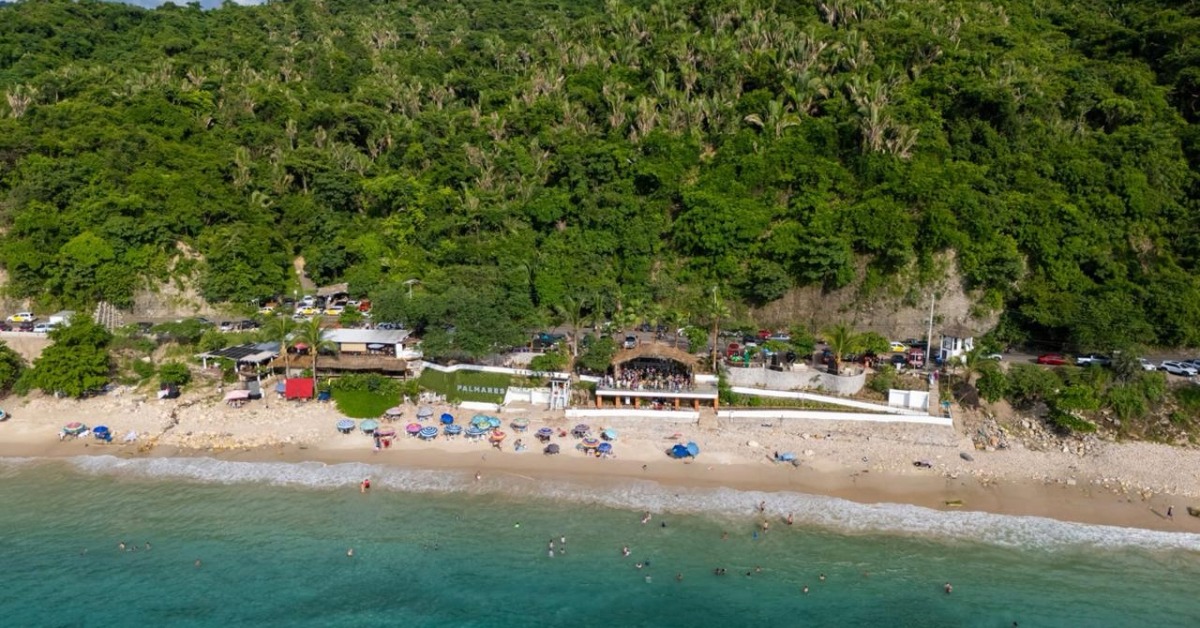
Palmares Beach became a stage. Bands played, families mingled, and city crews showed off a new idea for a public, practical, and inclusive Mexican beach. Mayor Luis Ernesto Munguía cut the ribbon on what the administration calls the city’s first public beach club, a serviced, universally accessible facility on one of Vallarta’s best-known Blue Flag beaches.
Officials say this is not a one-off. Before Easter next year, the city plans two more public beach clubs—one at Playa Camarones, another at Holi—extending the model beyond the south shore. Timelines matter here because residents and visitors have long asked for basics many resorts take for granted: clean bathrooms, showers, lifeguards, shade, and clear pathways for people with disabilities.
What opened and why it matters
On paper, Palmares now offers the essentials: public restrooms and showers, ramps for people with disabilities, a lifeguard tower, lighting, benches, landscaping, and parking. Those details sound mundane until you’ve tried to navigate a steep sand berm with a stroller or wheelchair, or hunt for a safe changing spot with kids. The city framed the launch as a push to bring Vallarta “up to international destinations” on public-beach service and access standards.
The timing is not accidental. Mexican law has, since 2020, guaranteed free, unobstructed access to all beaches and the federal maritime zone. Municipalities are now under more pressure to back that promise with actual infrastructure: marked access points, inclusive paths, and on-site services that make “access” meaningful, not theoretical.
A Blue Flag beach gets new muscle
Palmares is more than a pretty cove south of the Romantic Zone. It was Jalisco’s first Blue Flag beach, a distinction that requires water-quality testing, safety protocols, environmental education, and accessible facilities. Elevating a Blue Flag site with permanent, public amenities helps the city meet those criteria—and signals that certification will be backed by investment, not just a flag.
Vallarta has also set an ambitious goal to expand Blue Flag recognition across its coastline, targeting a dozen beaches under current plans. If Camarones and Holi step up with staffed towers, accessible routes, and maintained services, the city strengthens its case.
A festival launch, by design
City hall paired the opening with the Palmares Beach & Boat 2025 Festival, a free, daylong event featuring electronic and local acts including Betoko, Malán García, and Sachary Olea. The goal was obvious: fill the sand, test the logistics, and turn a policy idea into a place people want to use. The festival listing from the official tourism board and local outlets confirms the lineup and the format.
The test ahead
Launching one site is easier than maintaining three. The promise will be measured in upkeep: clean bathrooms in high season, working showers, shade that survives the first storm, trained lifeguards on duty, and ramps that remain clear of vendors and sand drifts. Palmares is also a stress test for transport. The beach sits south of town on the Mismaloya road, and weekend crowding can snarl traffic. Clear signage, frequent transit, and visible security will matter as much as ribbon-cuttings.
The other test is equity. Public beach clubs should not become de facto exclusive spaces via parking costs or vendor capture. If the model works, it gives locals a dignified, safe way to enjoy the sea—and offers visitors a reliable public option that doesn’t require buying a day pass at a resort. That would be a meaningful shift for a destination where hotel beaches often feel more accessible than the public ones.
Why this is a realistic play for Vallarta
Playa Palmares already had a head start: certified water quality, lifeguards, parking, and wheelchair access. Upgrading an existing Blue Flag beach made the first win achievable. The mayor’s office has publicly claimed the project is part of a broader push on inclusive beaches and coastal services; the administration’s own channels, along with independent local coverage, show strong political ownership of the launch. That visibility raises expectations—and accountability—heading into the Camarones and Holi builds.
Suppose Vallarta can deliver consistent services across multiple public beaches by spring. In that case, the city strengthens its tourism pitch while providing something more important to residents: confidence that “the beach is yours” means you can use it safely and comfortably. That is the claim people test with their feet.