Puerto Vallarta, Jalisco – PEACEAnimals of Puerto Vallarta wrapped up two intensive sterilization clinics in underserved neighborhoods, completing more than 150 surgeries in just two days and establishing a new base of operations in Colonia Volcanes. The efforts combined surgical volume with local engagement, aiming to curb unwanted litters and build stronger, informed pet-owning communities.
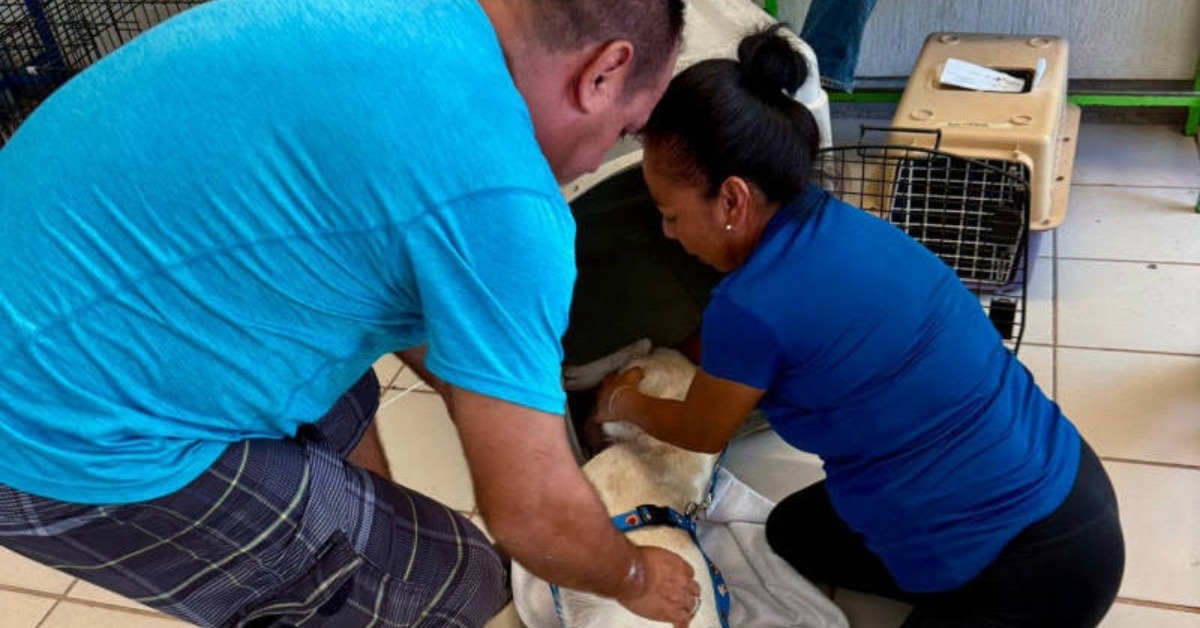
In San Juan, the first of the two recent efforts, the team carried out over 150 sterilizations across dogs and cats in a tightly scheduled two-day operation. What set this clinic apart was the recovery model: pet owners stayed with their animals during post-operative care, actively watching vital signs and offering comfort as their pets emerged from anesthesia. That hands-on participation created a dual benefit—safer recoveries and real-time education.
PEACEAnimals sterilization clinics Puerto Vallarta organizers say the approach turned owners into advocates. Pet parents who observed the process closely came away with a clearer grasp of what sterilization involves, why it matters, and how to care for animals afterward. Many began sharing those insights with neighbors, extending the clinic’s reach through informal local networks.
“The more people understand the process, the more empowered they are to make informed decisions—not only for their own pets, but for animals in their neighborhoods,” said a PEACEAnimals spokesperson. That ripple effect, officials believe, will help reduce future pressure on animal populations and improve general animal health practices in the area.
The following week, PEACEAnimals moved to Colonia Volcanes for a four-day clinic, repurposing a local school that was closed for vacation. The new location brought logistical improvements: clean, spacious, and familiar community space allowed staff and volunteers to work more efficiently and gave animals a calm environment for surgery and recovery.
Much of the operational smoothness in Colonia Volcanes is credited to teacher Alejandra. She stepped into a leadership role, coordinating the event’s logistics, rallying volunteers, and publicizing the clinic through local channels. Her outreach and on-the-ground coordination helped deliver strong turnout and kept daily flow steady, even as the clinic handled multiple patients and post-op care simultaneously.
The two recent clinics are part of PEACEAnimals’ broader, ongoing effort to offer free sterilizations across the region. Leadership stresses that sterilization is a frontline tool in preventing animal suffering, reducing the number of unwanted litters, and breaking cycles that lead to overpopulation, abandonment, and disease. For communities with limited access to veterinary services, these pop-up clinics become critical points of intervention.
Beyond surgery, the clinics are structured to leave a lasting community footprint. Educating owners, recruiting local volunteers, and integrating neighborhood champions like Alejandra creates a local support network that persists when the mobile clinic moves on. That combination of medical care and community ownership is central to PEACEAnimals’ model.
Local residents who brought their pets spoke positively about the chance to participate directly in the recovery process. Several noted they had previously been wary of surgical procedures, but seeing the clinic’s workflow and being present during recovery built trust. That trust, organizers say, translates into higher follow-through on post-operative care and a willingness to return for future services or refer others.
PEACEAnimals continues to schedule and deploy clinics in other parts of the region, seeking both donations and volunteer assistance to sustain and expand coverage. The organization’s work relies on partnerships with local schools, community leaders, and dedicated staff who adapt to the needs and rhythms of each neighborhood.
For residents who missed the recent clinics or want to support the initiative, PEACEAnimals maintains an updated list of upcoming locations and ways to help. Contributions—whether time, supplies, or financial—feed directly into the scheduling of new clinics, procurement of medical supplies, and community outreach efforts.
PEACEAnimals sterilization clinics Puerto Vallarta have combined surgical throughput, local leadership, and owner education to create a more resilient, informed network around animal welfare. By embedding care in neighborhoods and inviting pet owners into the process, the organization aims to shift responsibility from episodic intervention to shared, sustainable stewardship.
To follow upcoming clinics or make a donation, visit PEACEAnimals’ website.