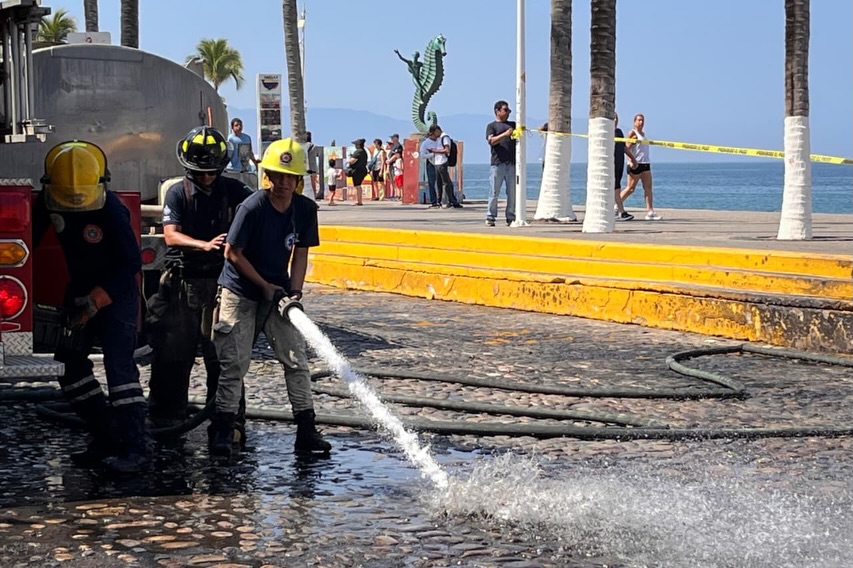
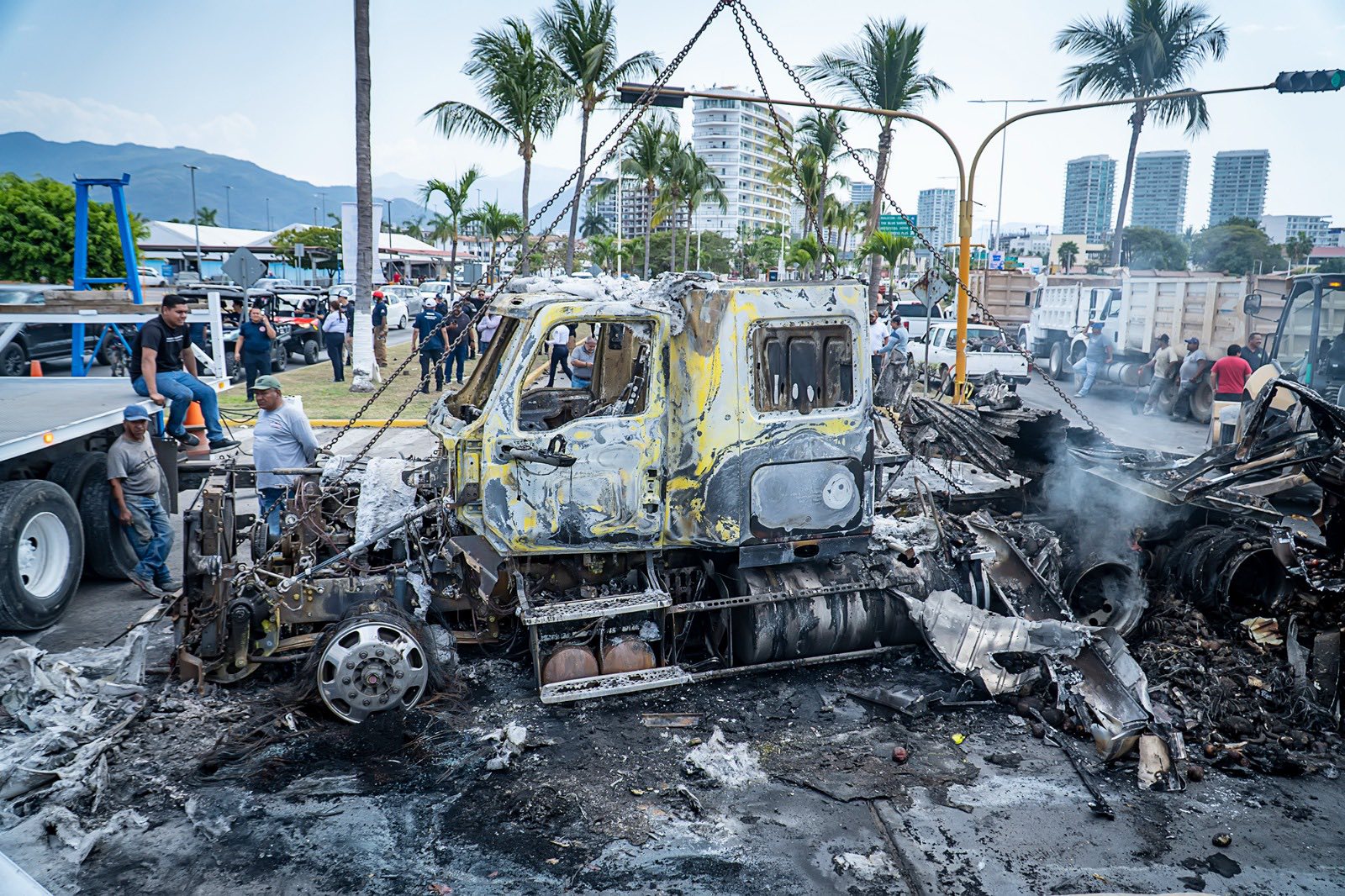
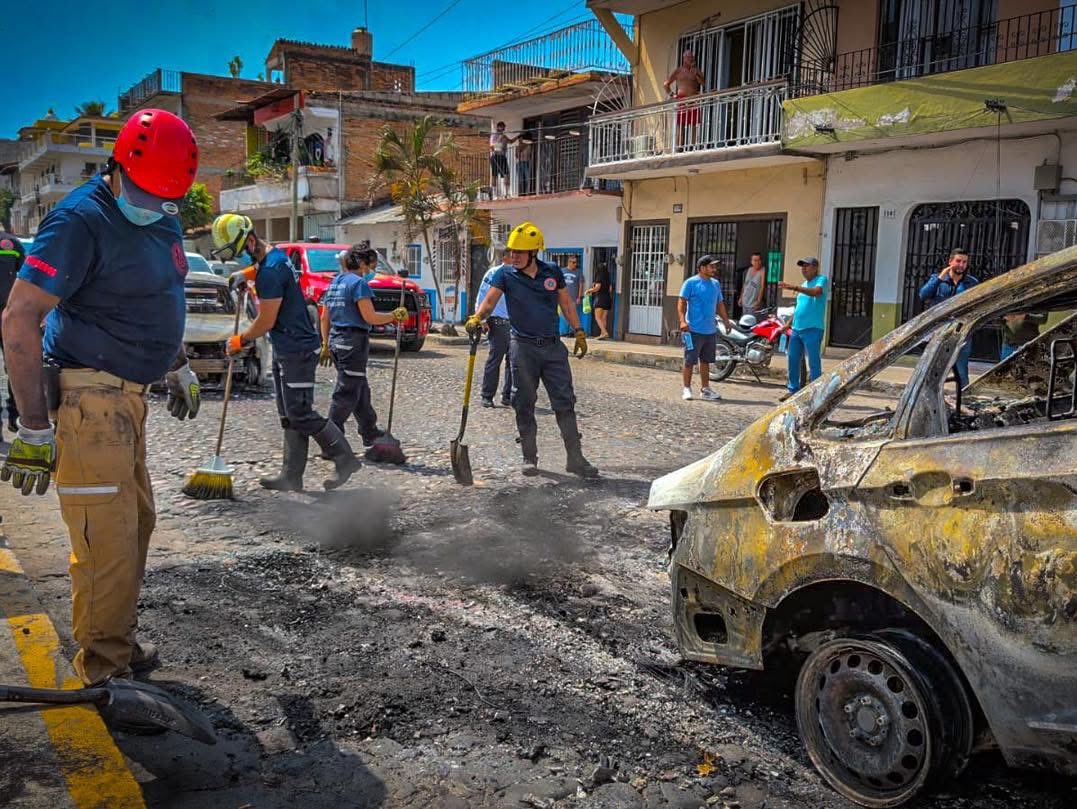
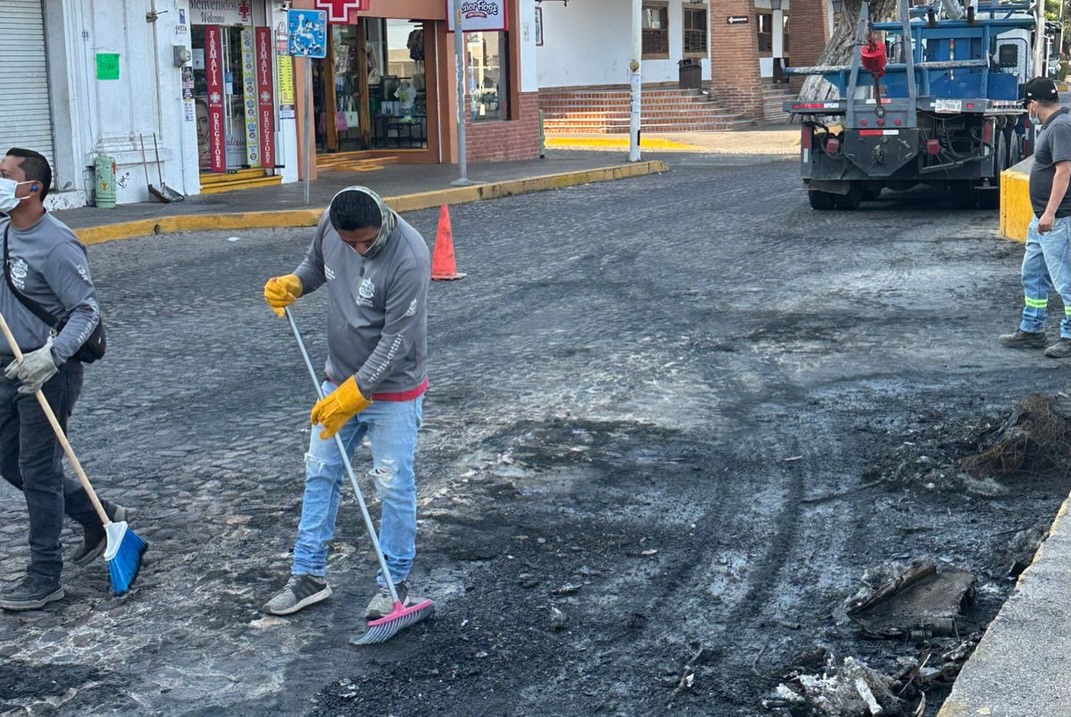
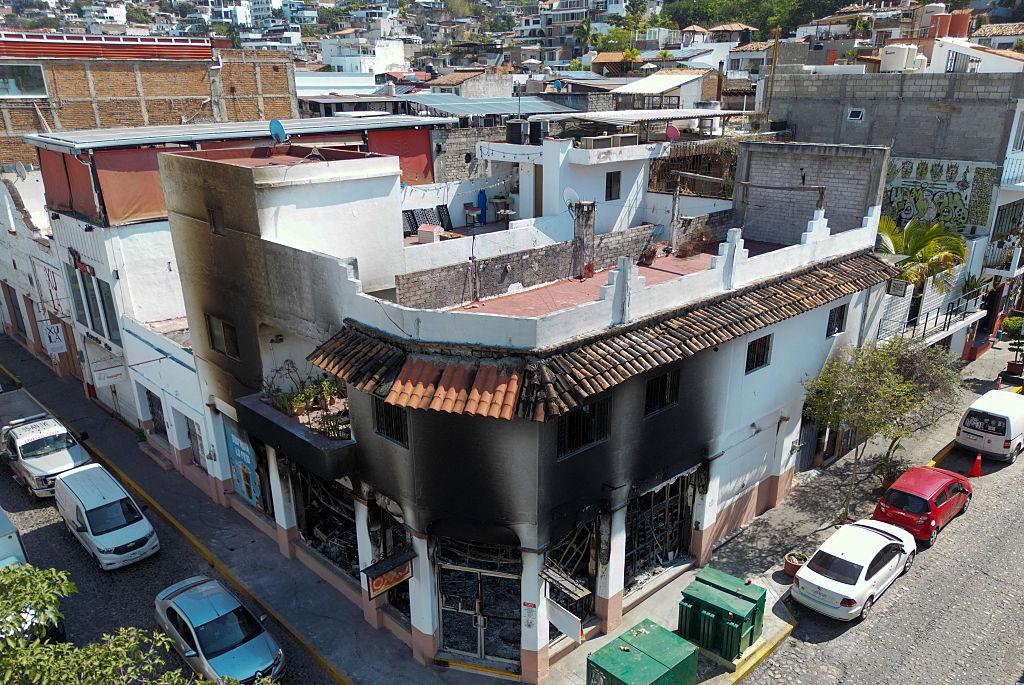
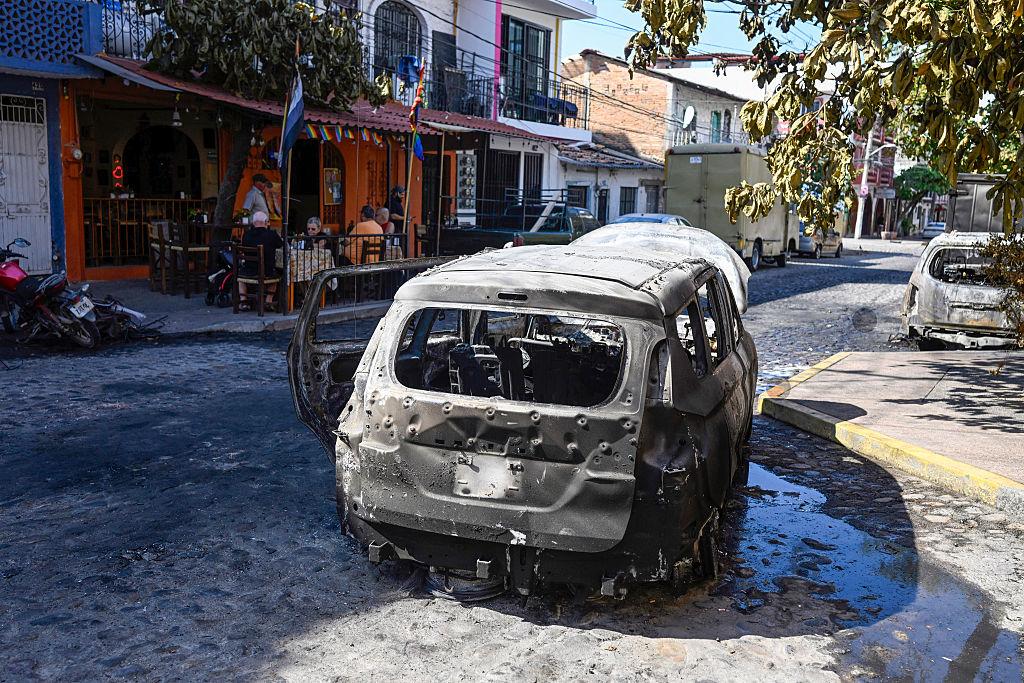
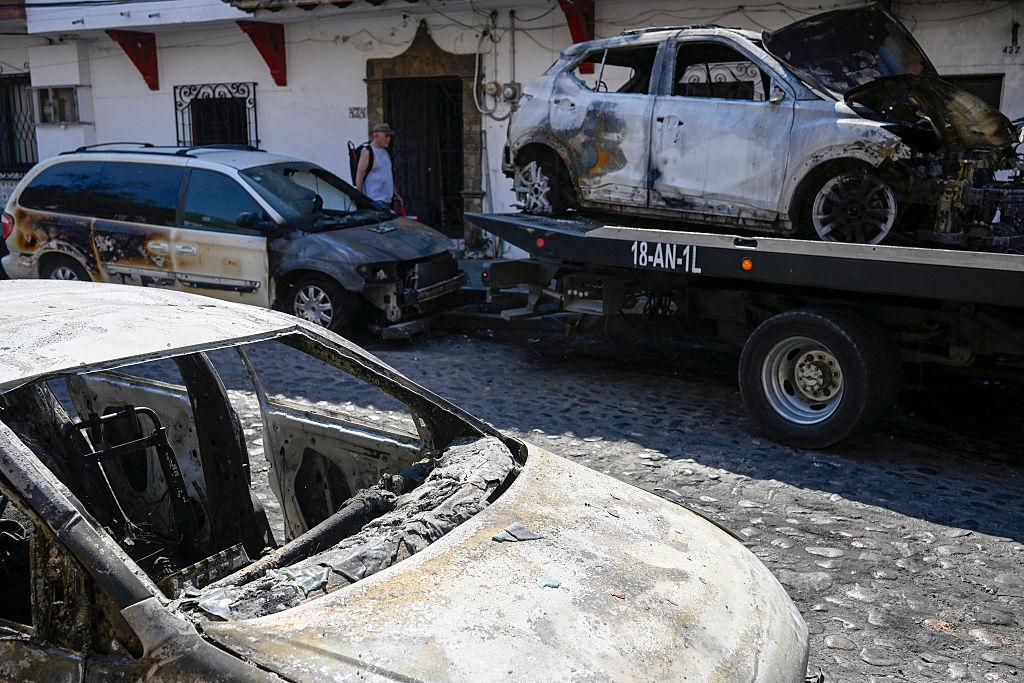
Two days after coordinated roadblocks and vehicle fires disrupted Puerto Vallarta, the soundscape has changed: engines, brooms, and tow chains. Municipal crews are clearing charred hulks from major avenues while shop owners assess damage and reopen front doors. At the airport, flight boards are filling again as carriers restore schedules. This story follows the recovery shift—what is being cleaned, what is reopening, and what the damage looks like now, through a photo look at the streets.
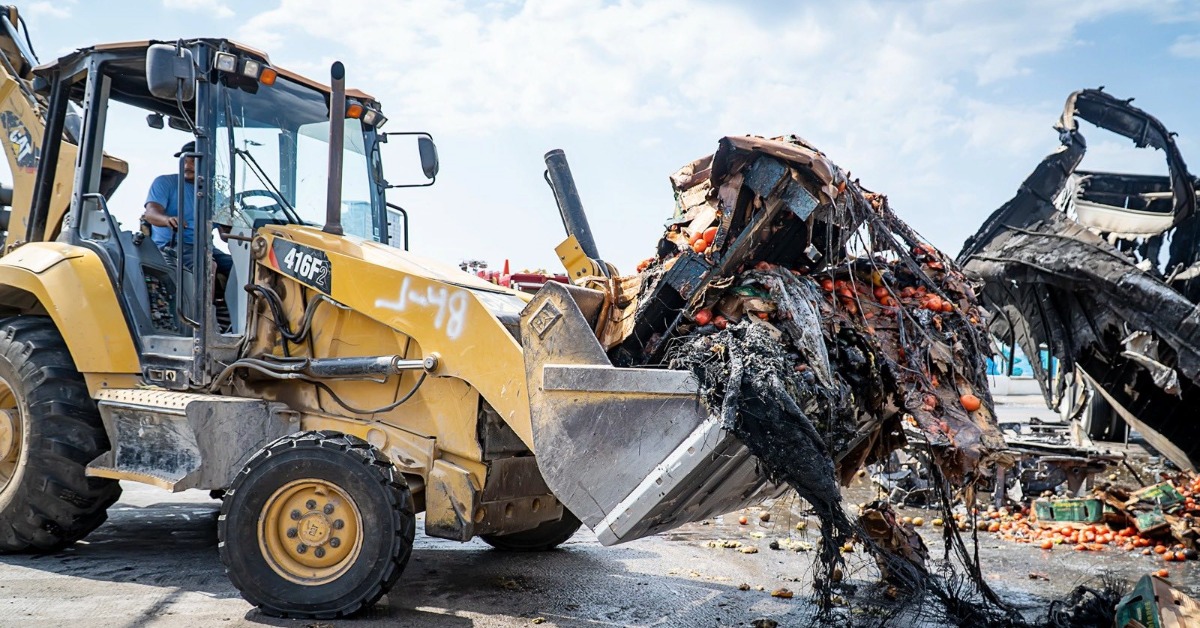
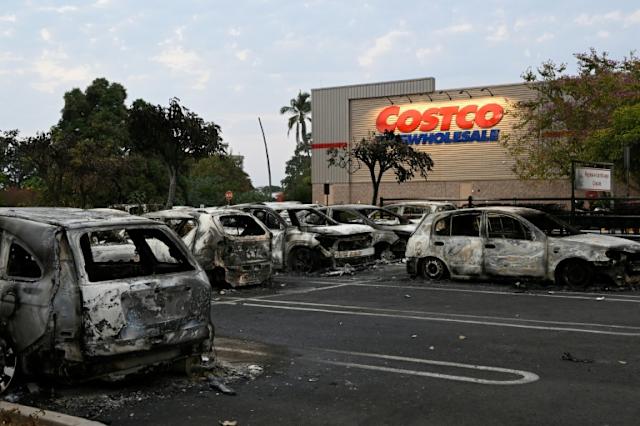
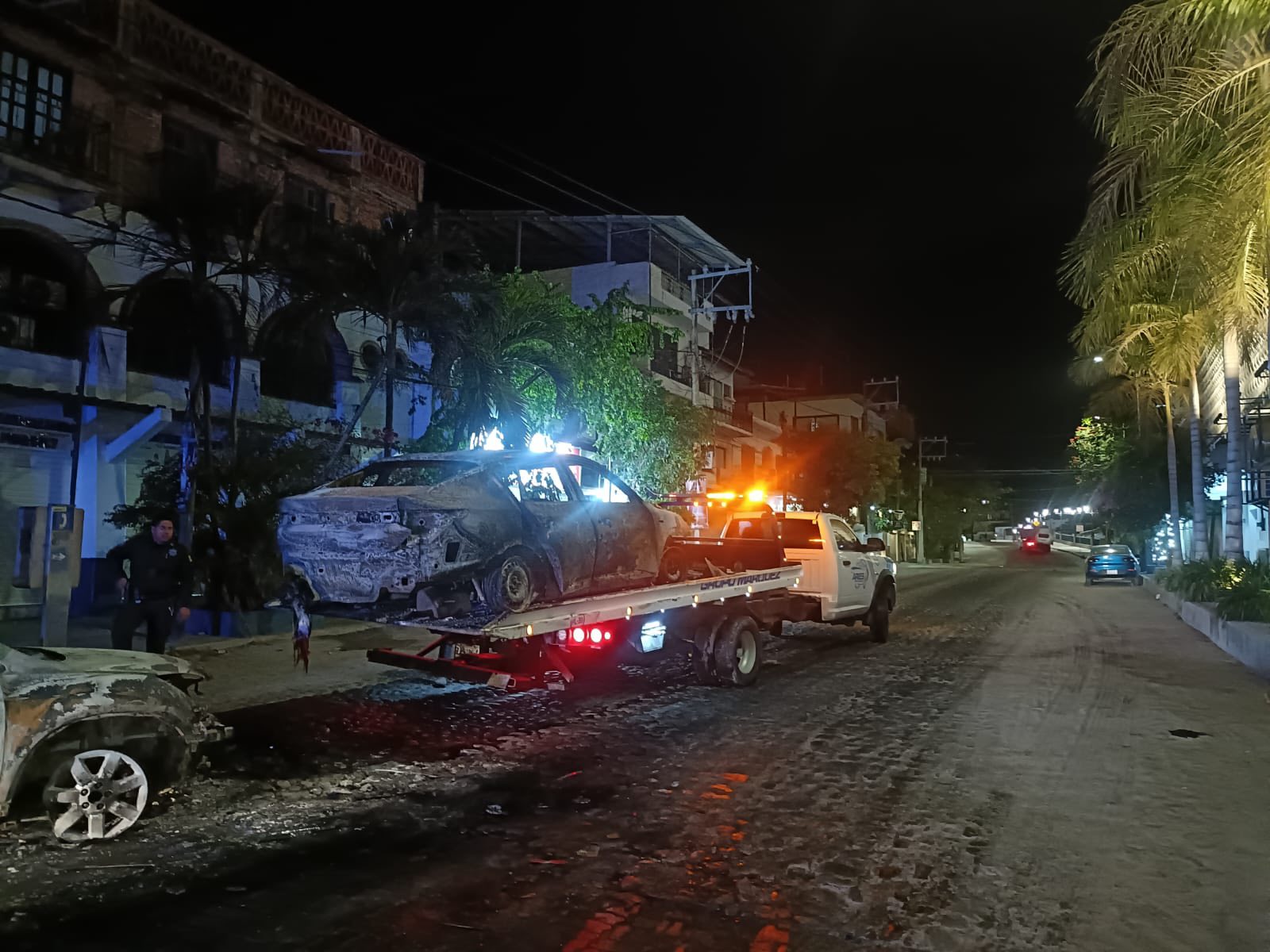
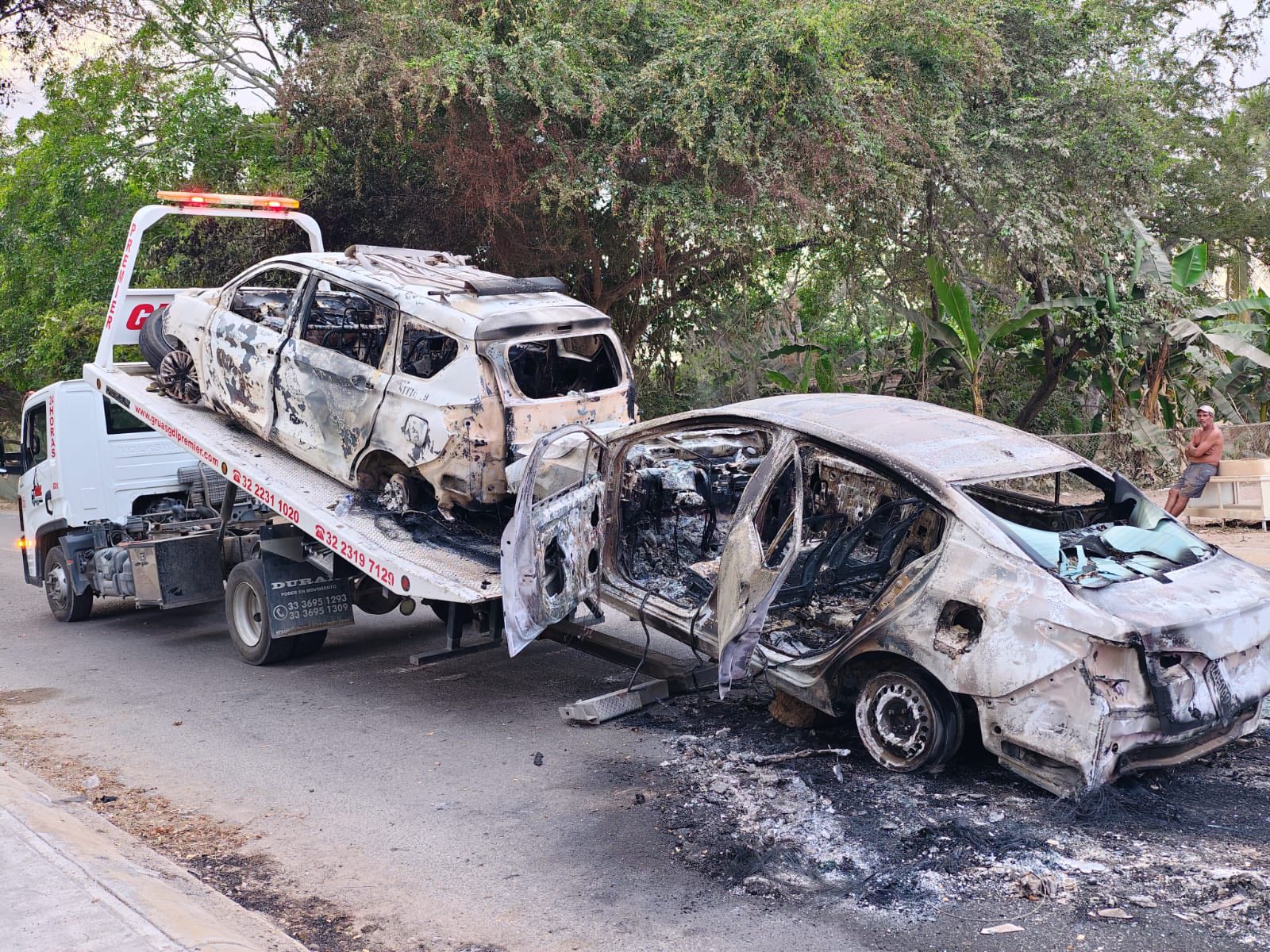
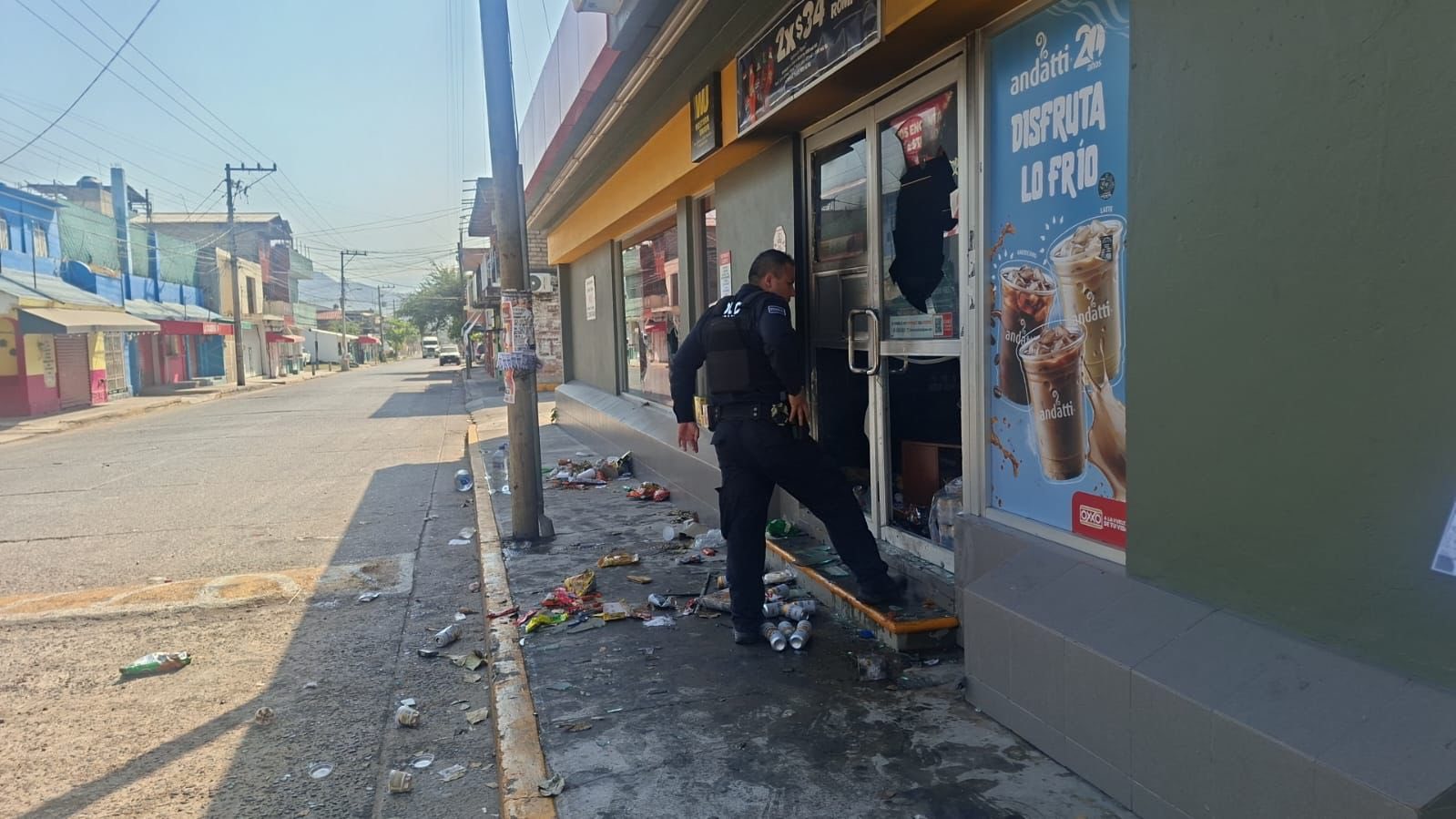
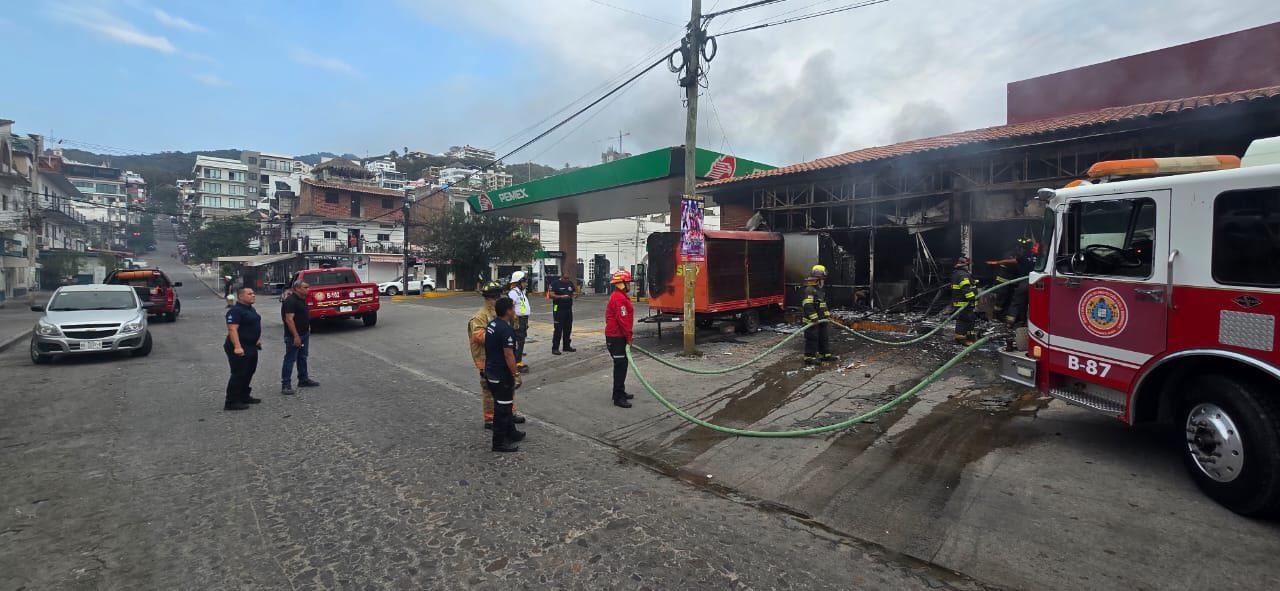
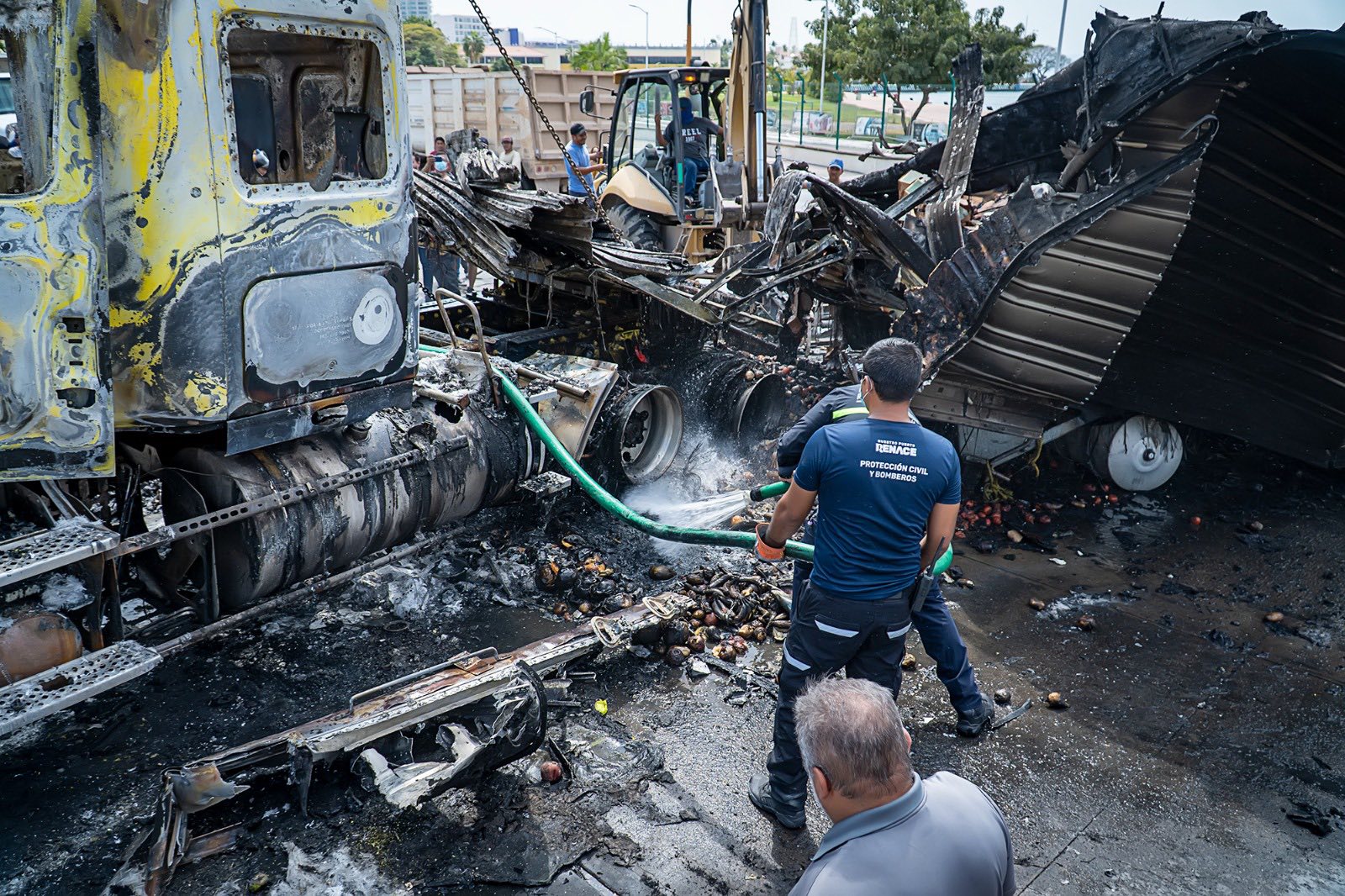
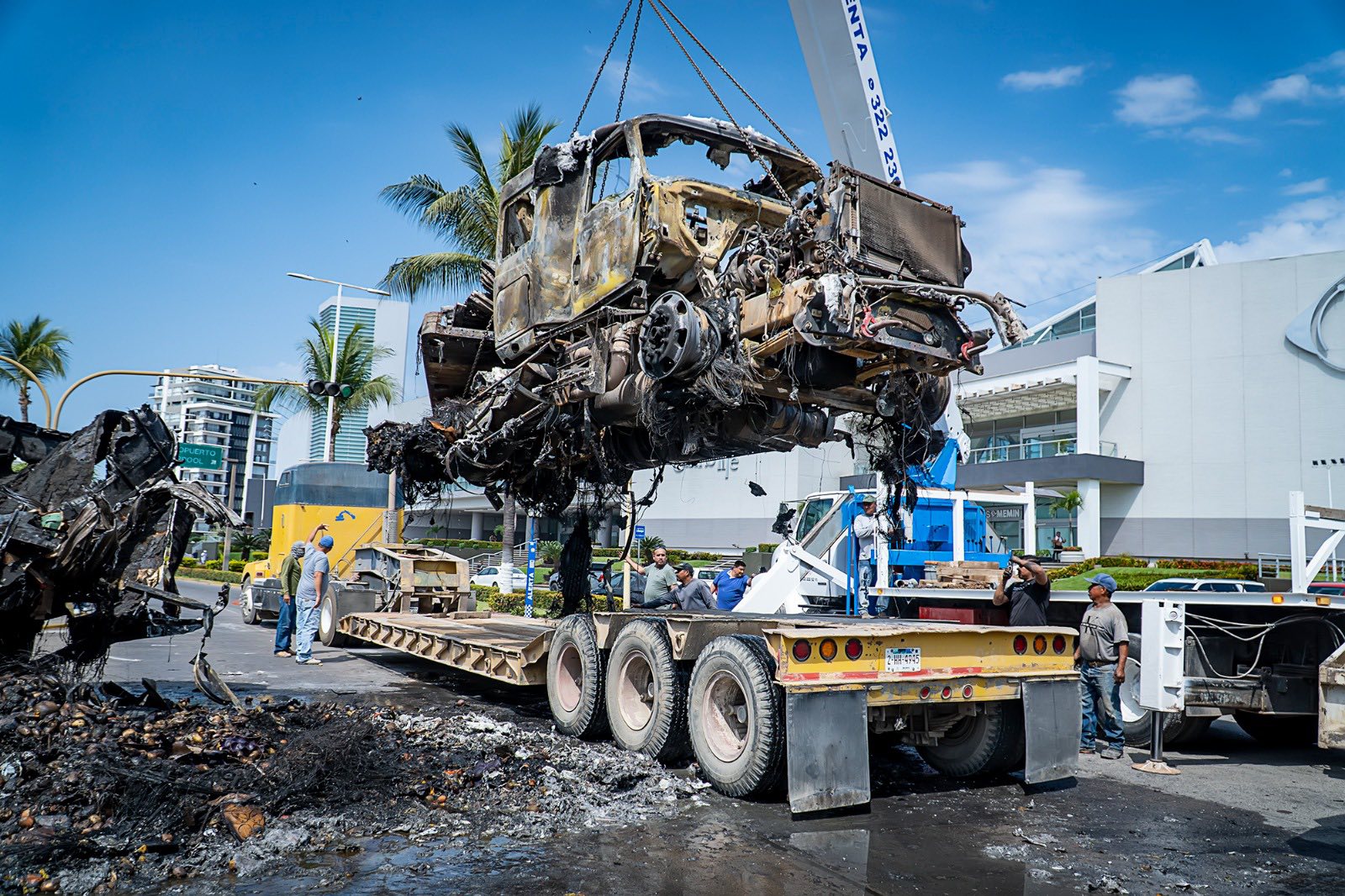
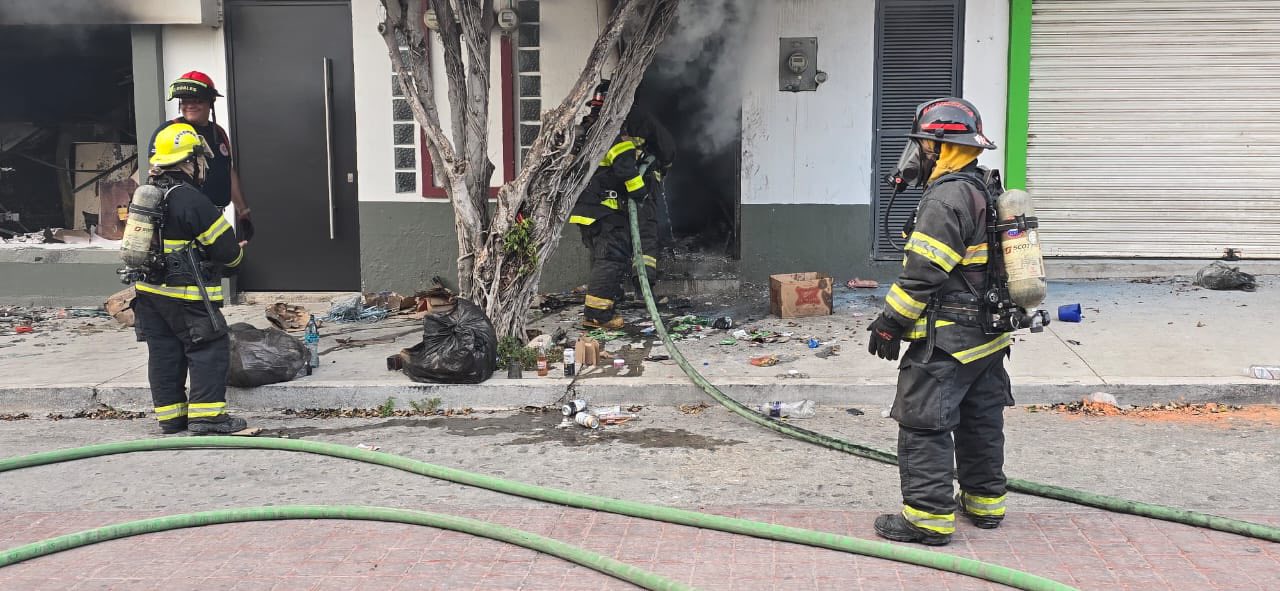
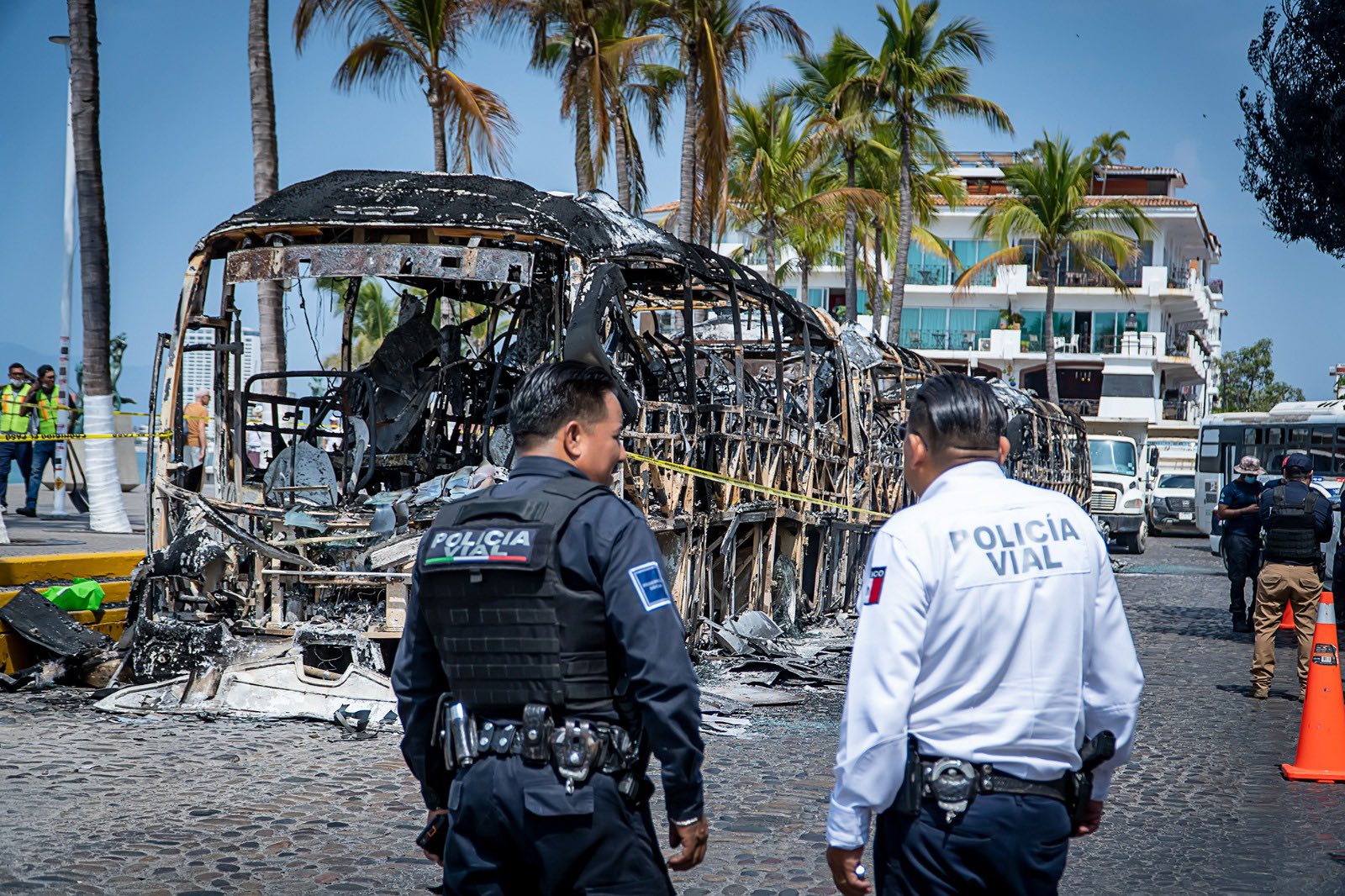
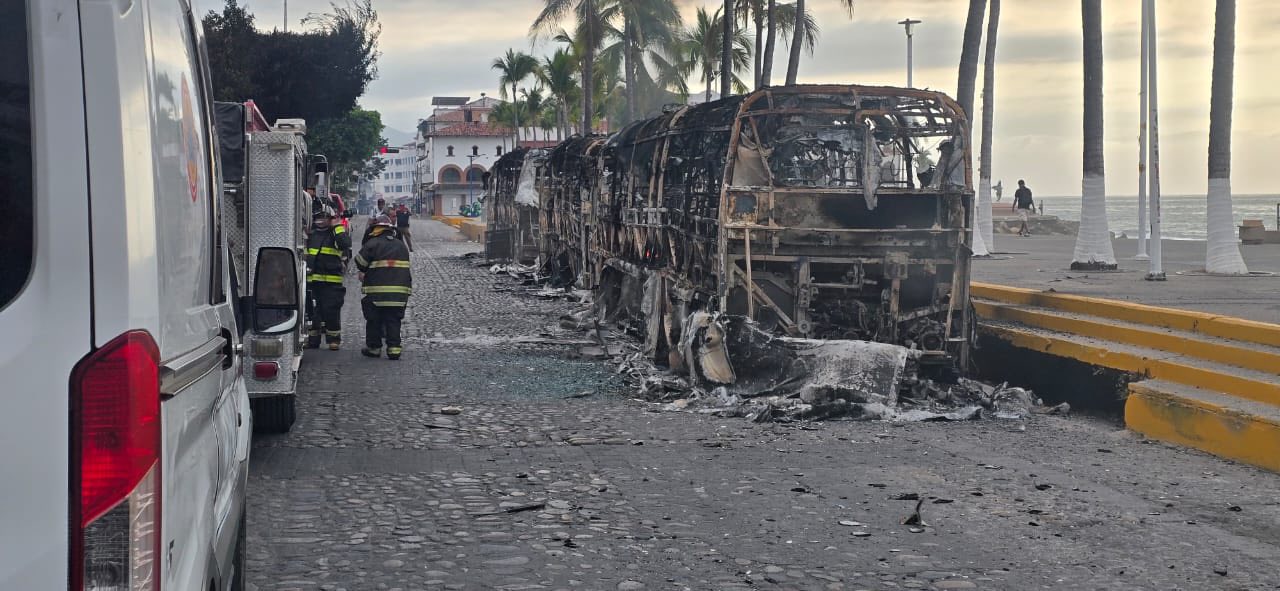
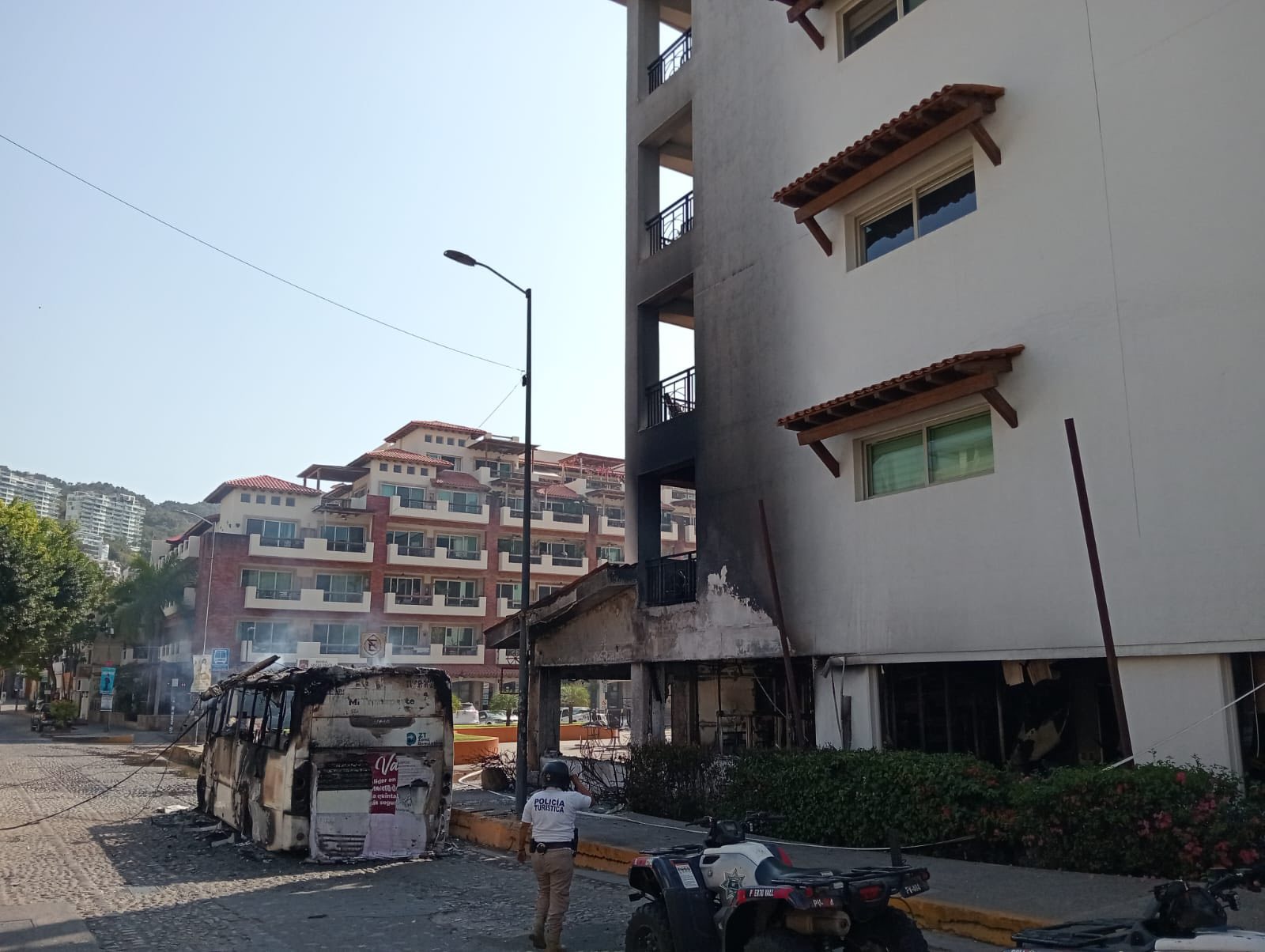
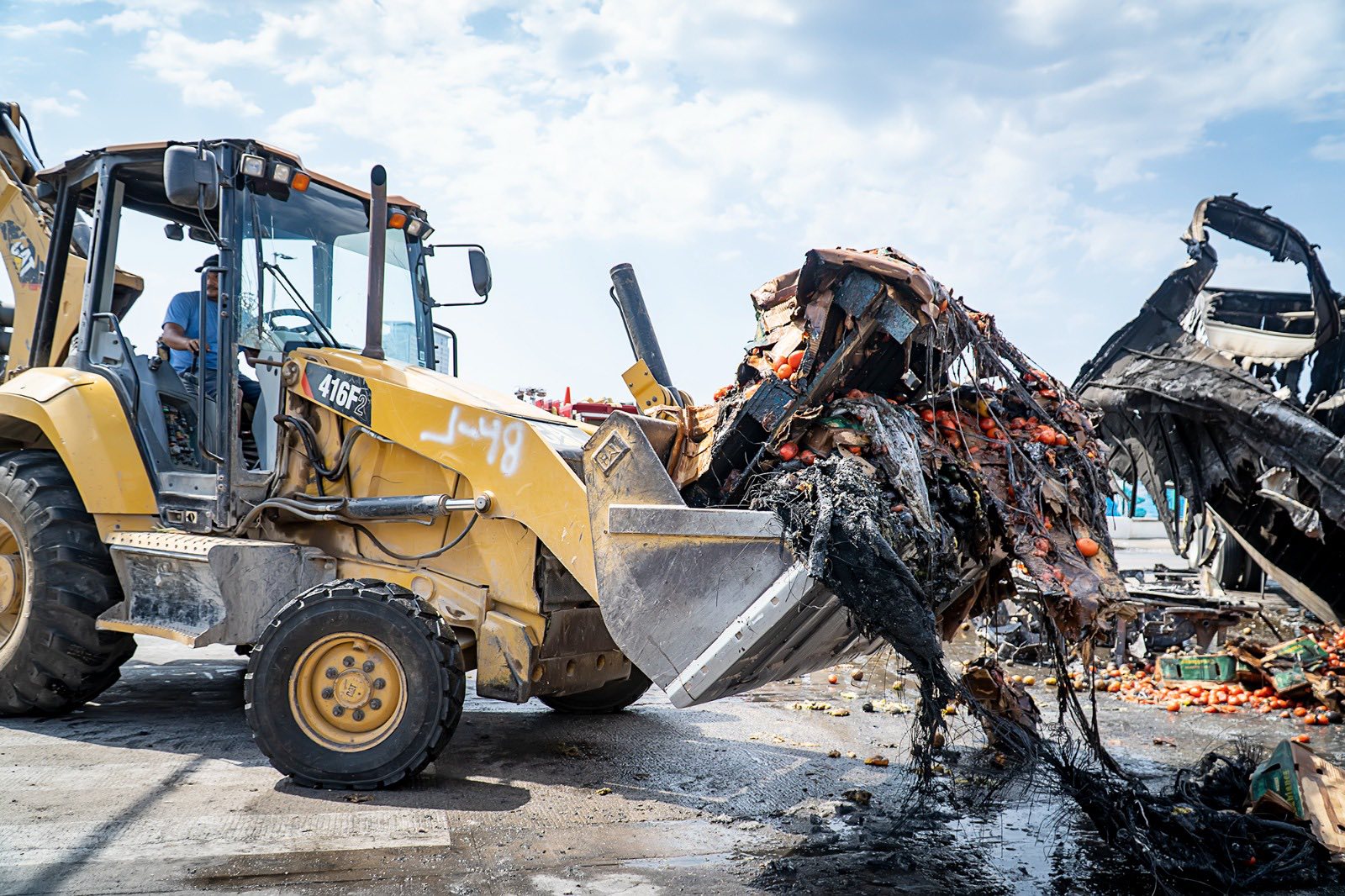
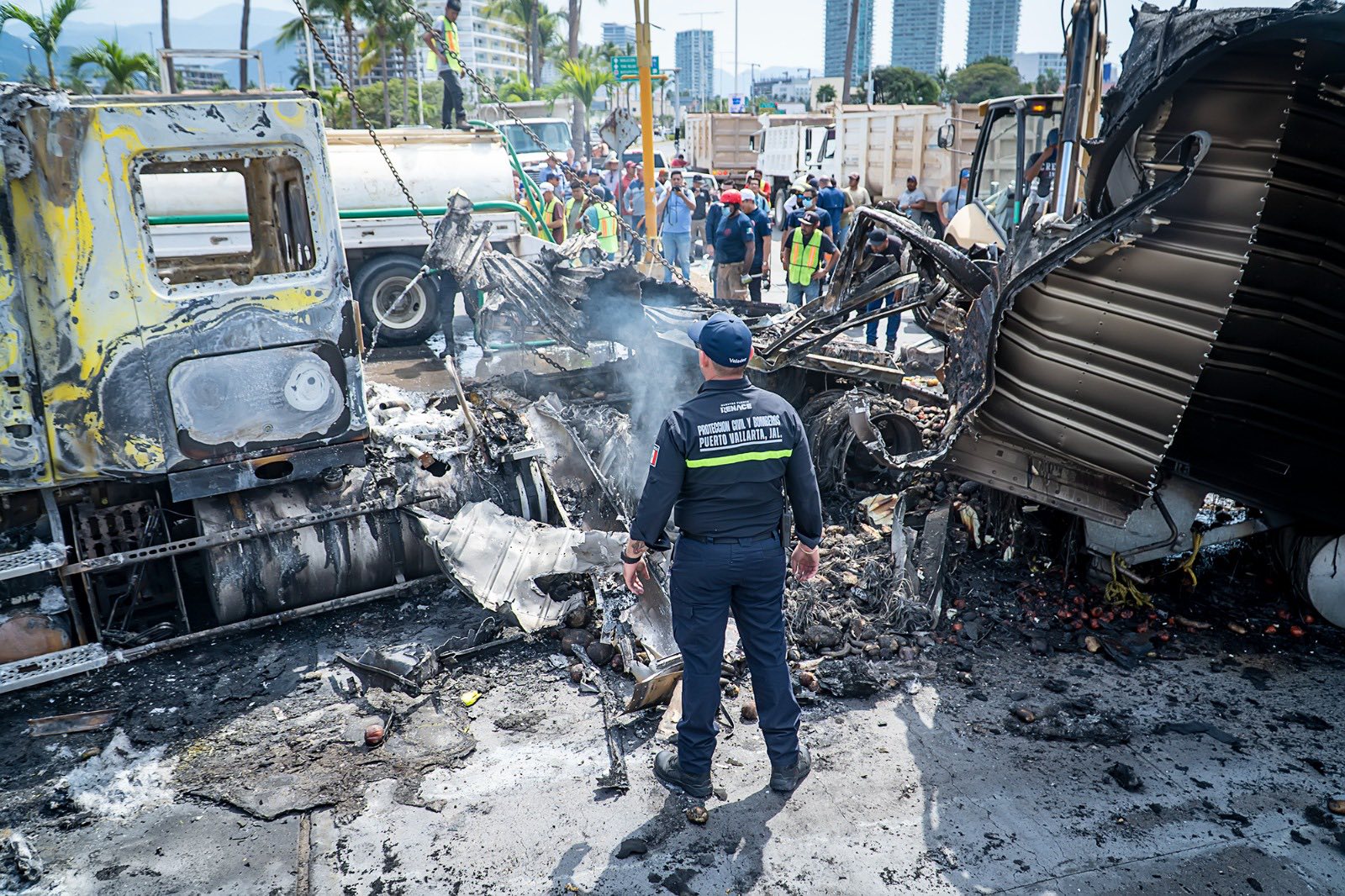
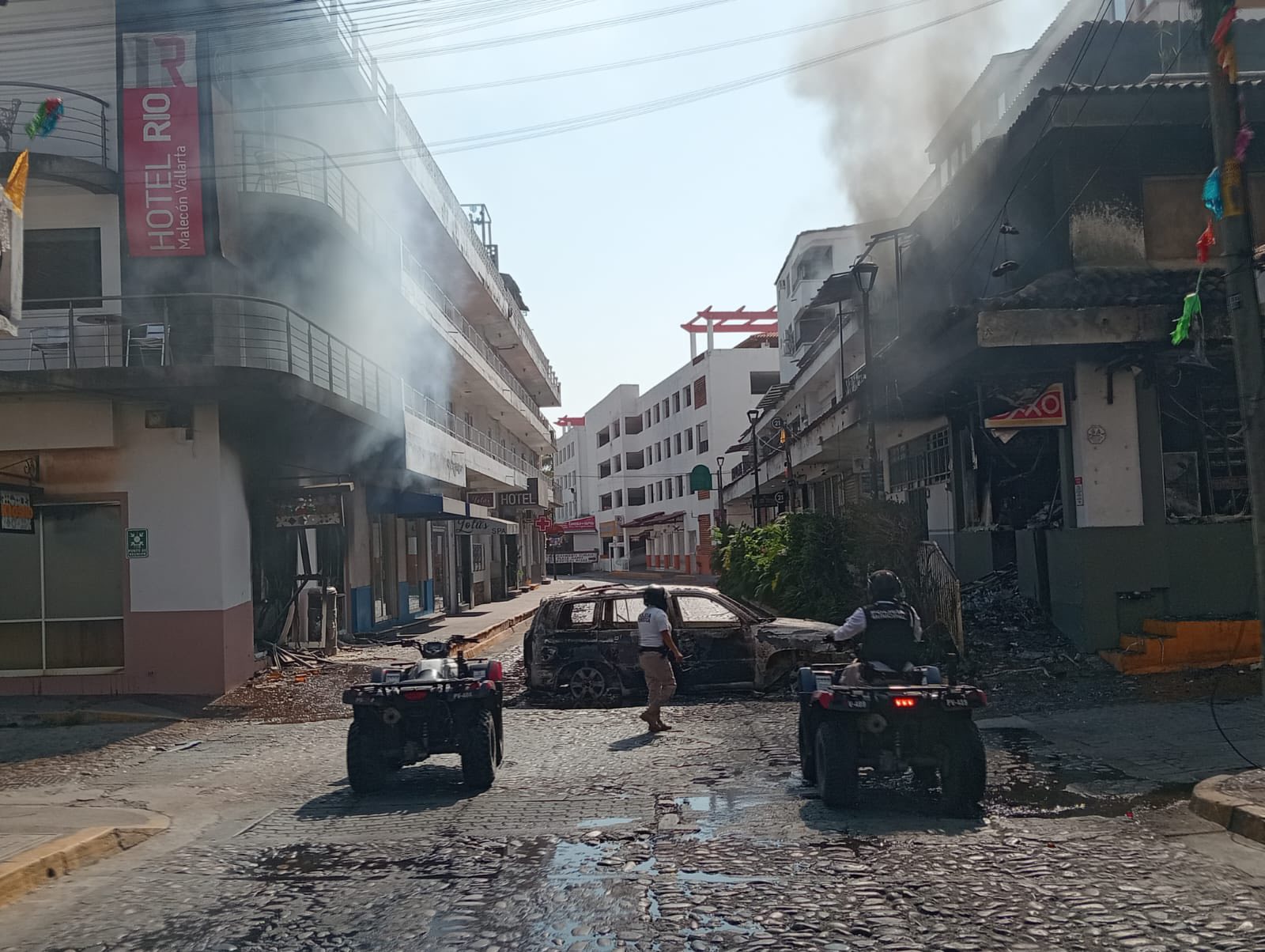
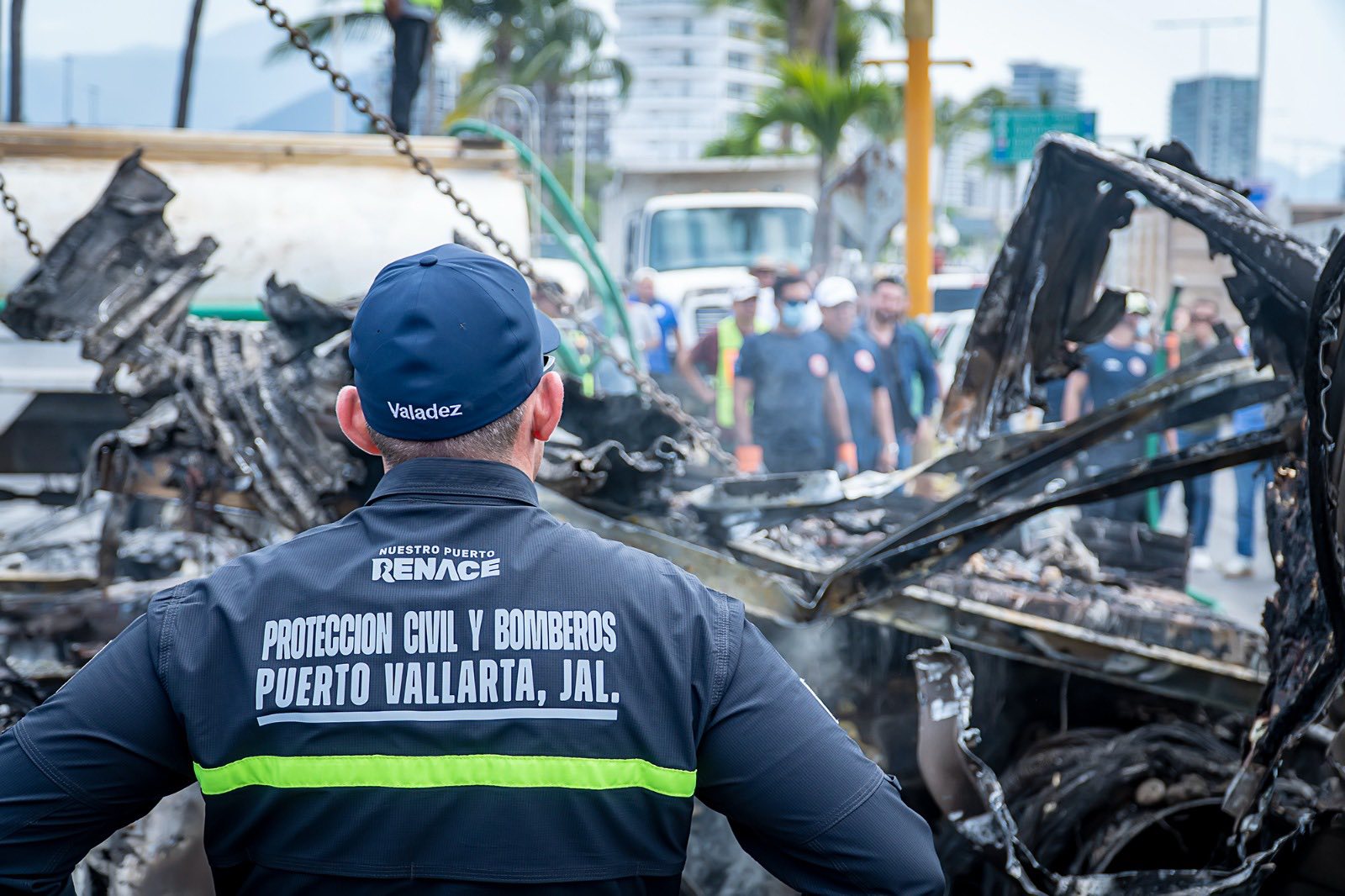
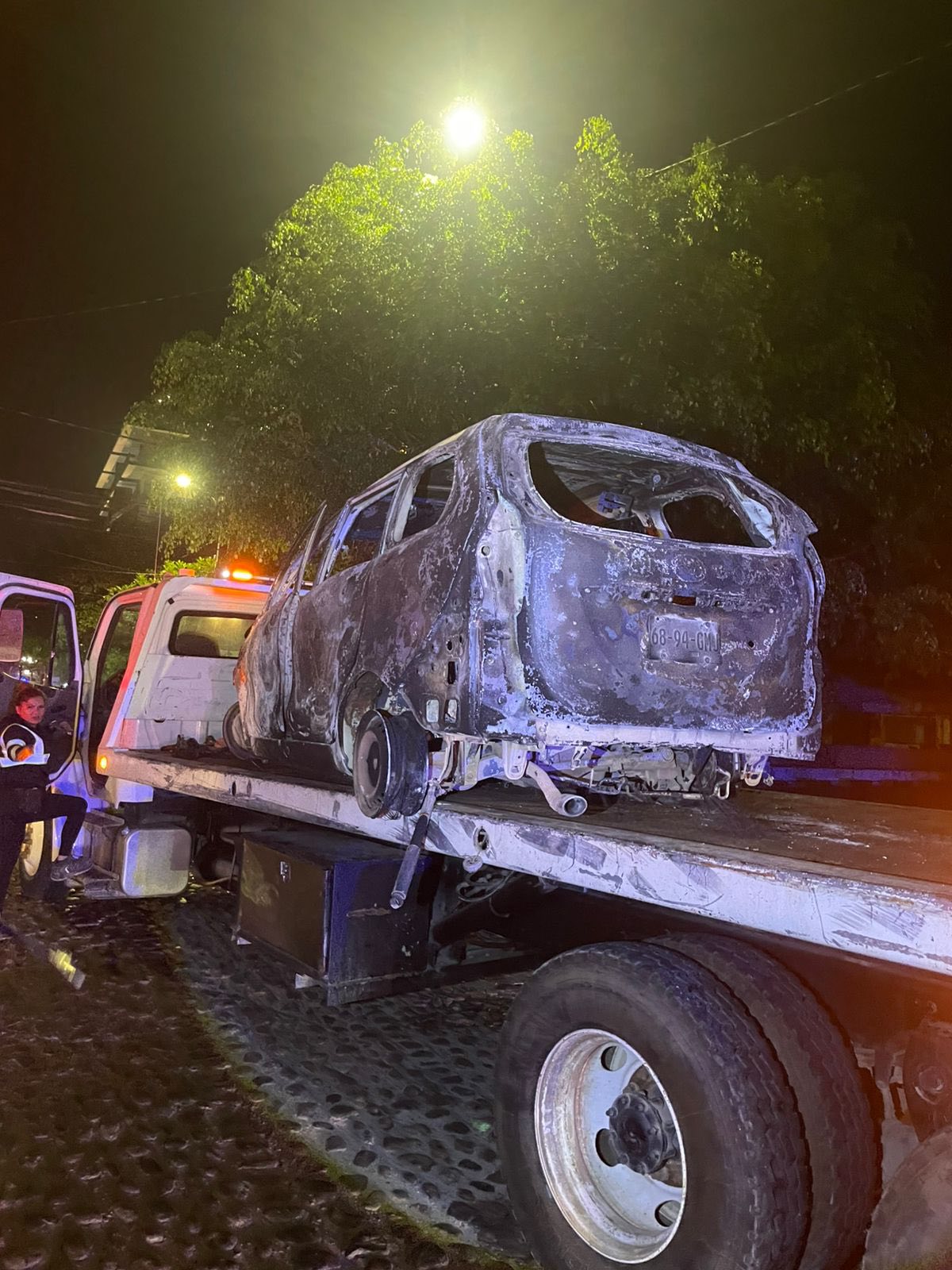
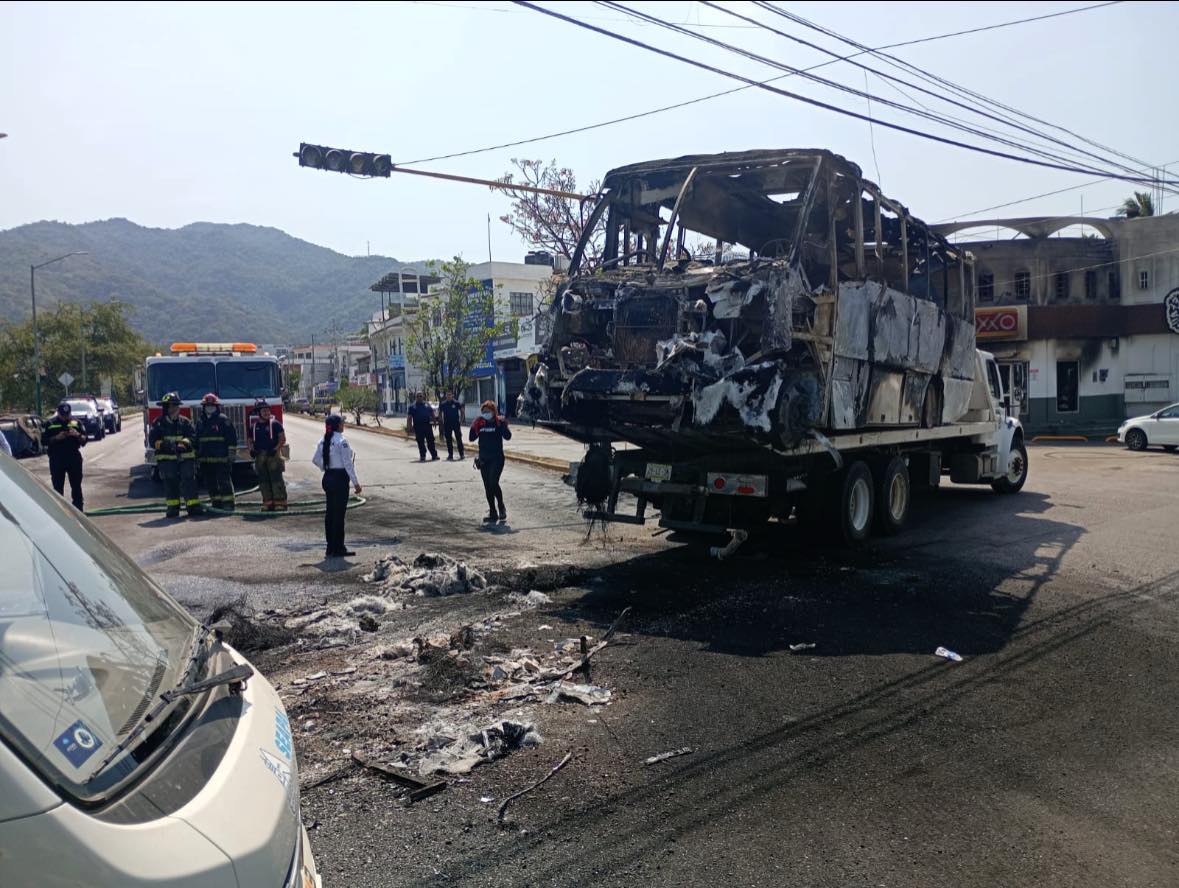
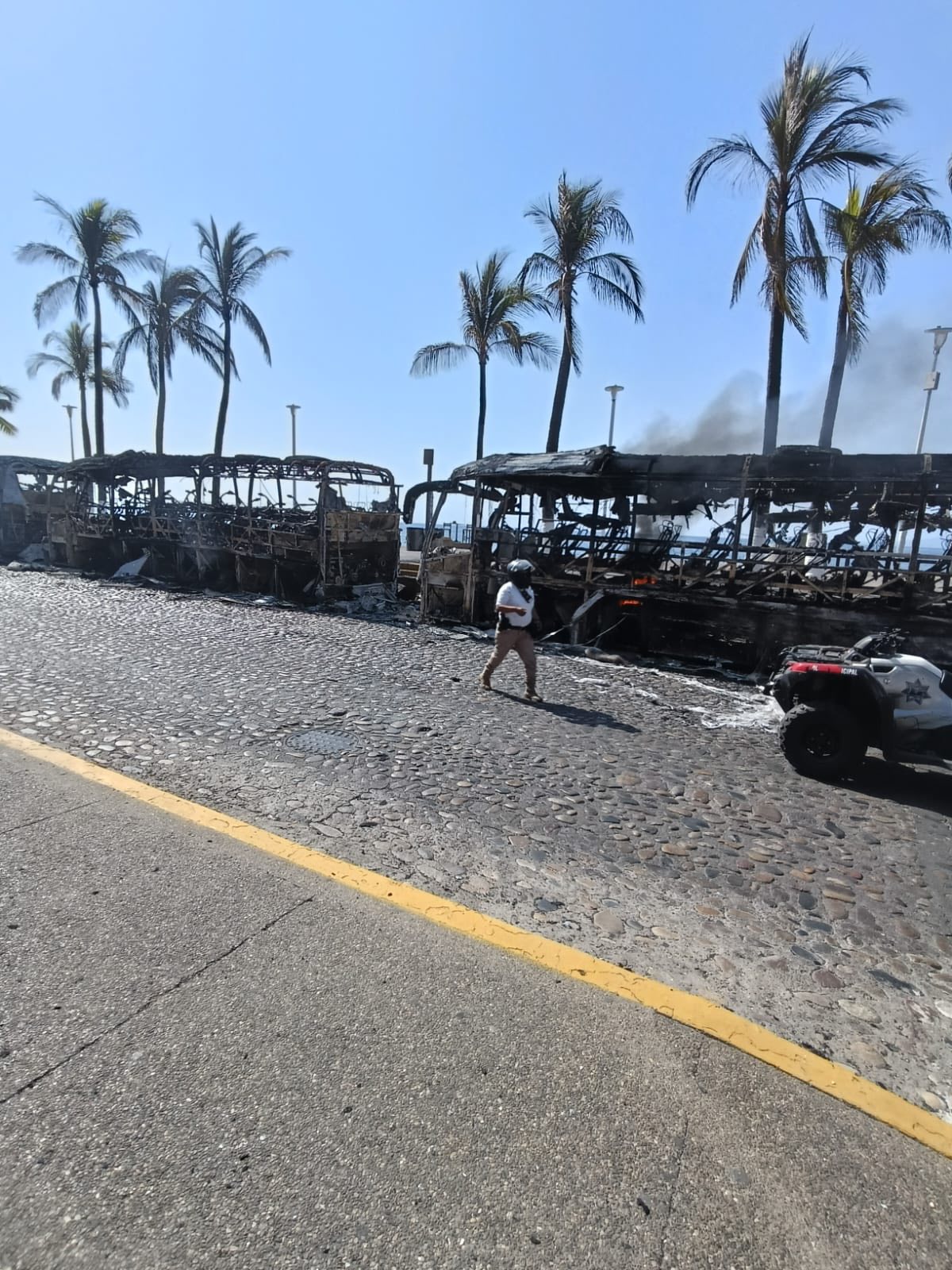
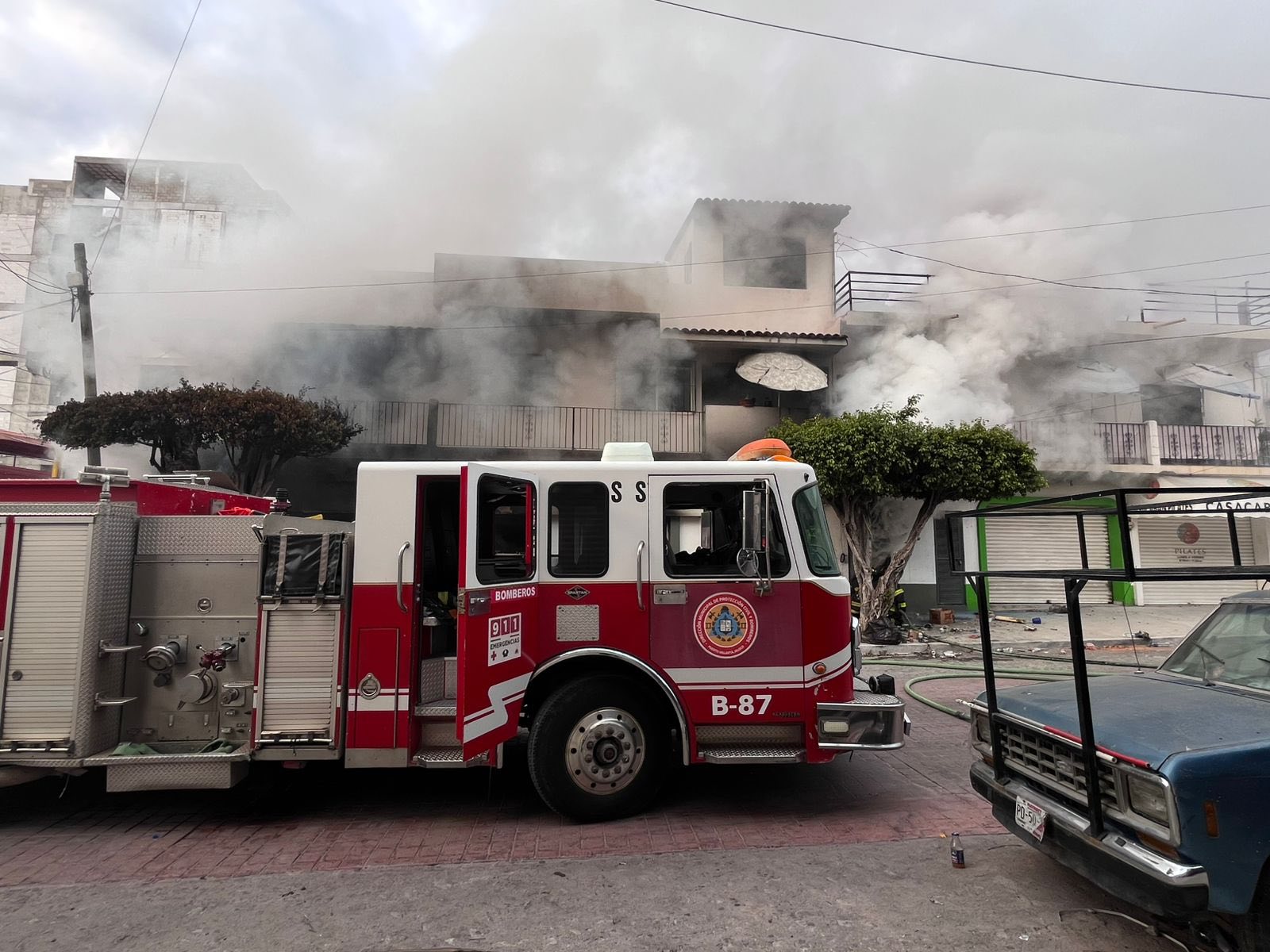
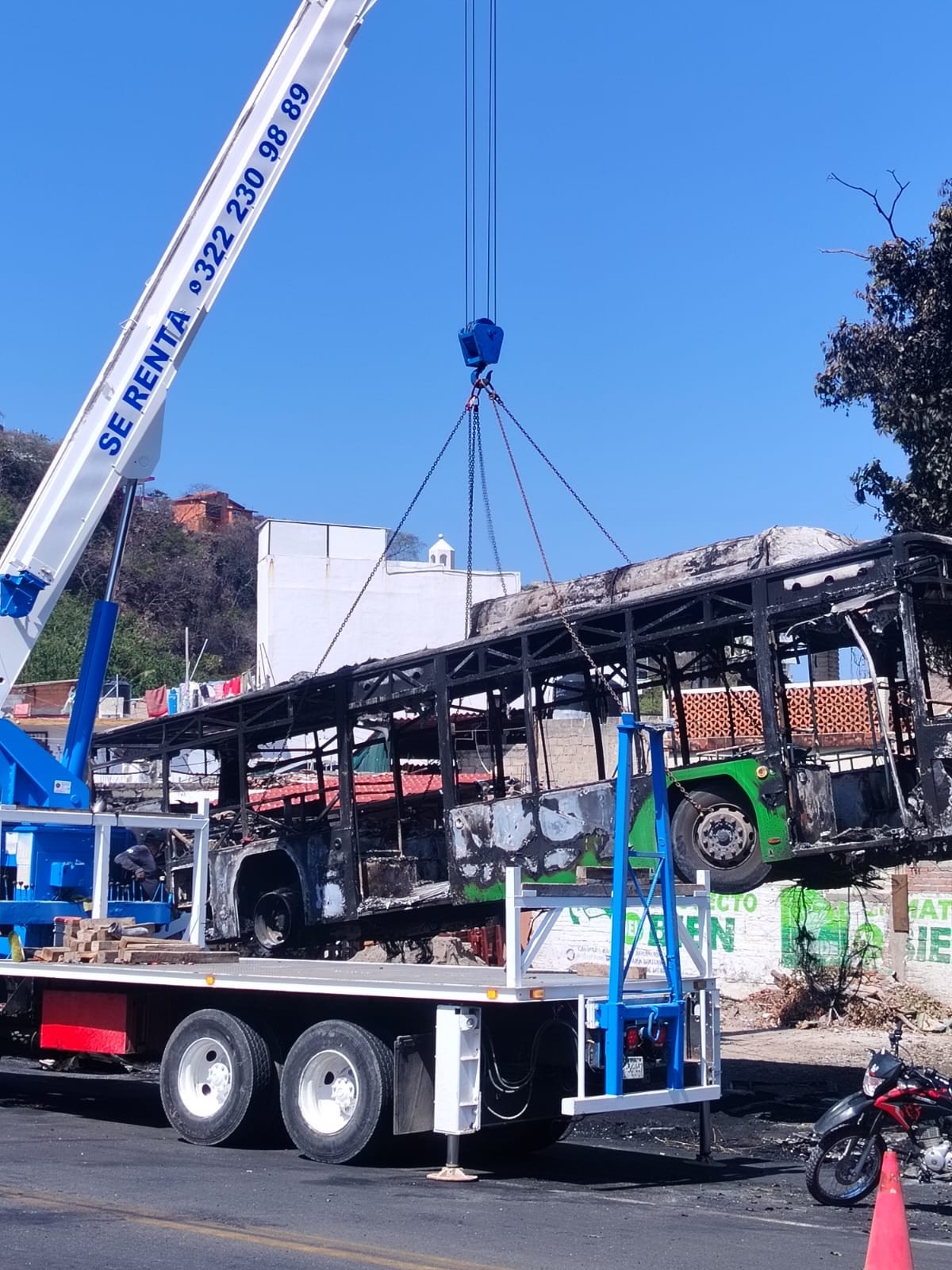
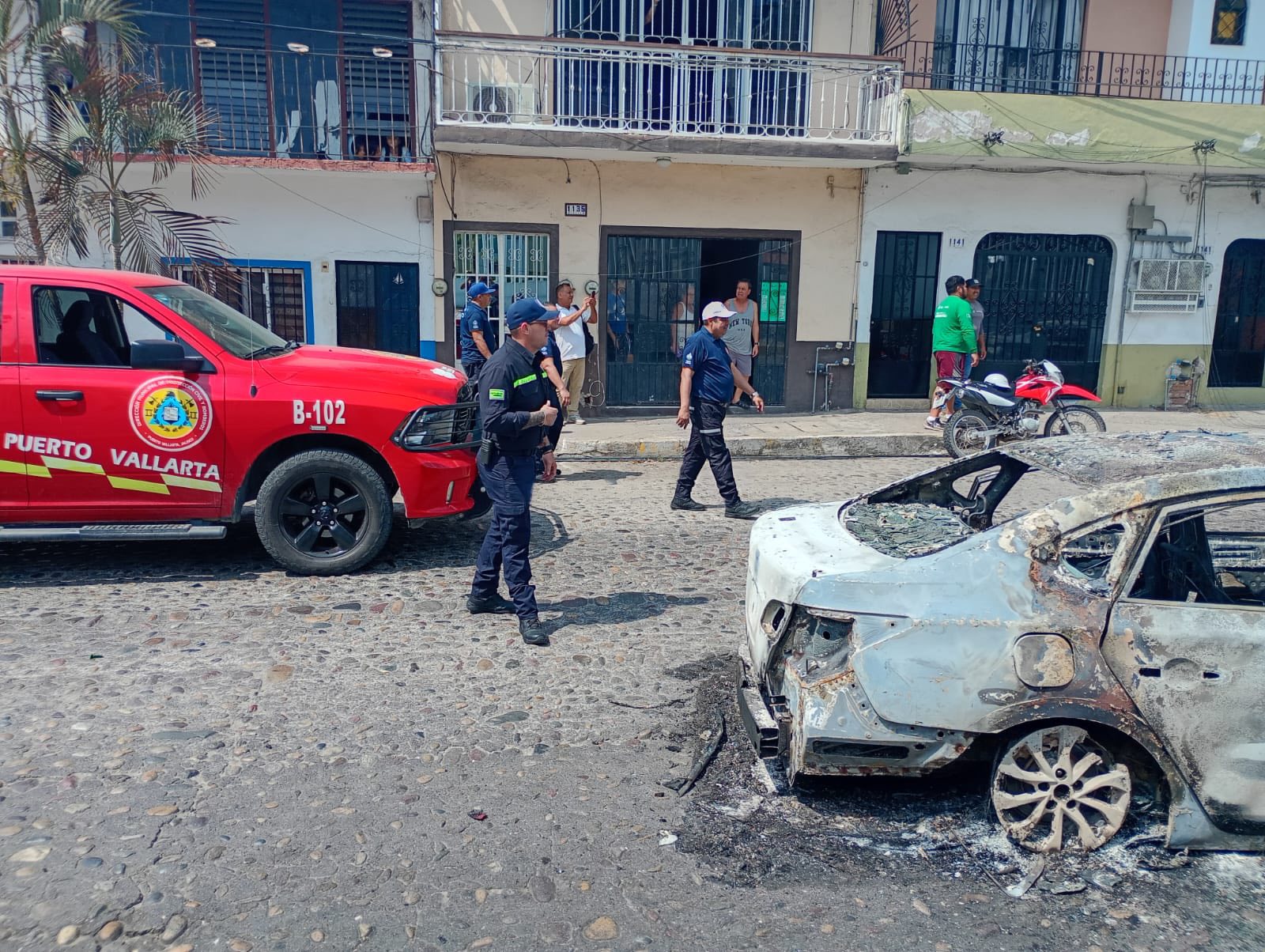
On Tuesday, city crews in Puerto Vallarta began the visible work of reset. On Boulevard Francisco Medina Ascencio, tow trucks pulled burned-out vehicles from roadblocks. Municipal teams cleared debris from other main corridors and access routes. Shop owners swept broken glass and assessed damage behind shutters and plywood. Local officials said more than 200 vehicles were damaged across the city. They also reported roughly 40 businesses were vandalized during the unrest. Crews worked in daylight to document sites before clearing them. The speed of cleanup matters in a city built on daily movement. Police patrols and traffic crews pushed to restore circulation first. Then they shifted to soot, twisted metal, and blocked sidewalks. After two days of smoke and closures, the priority became mobility and basic services. Now the focus is on the aftermath of daylight and the work of reopening. The recovery is not a single moment. It is a chain of small actions ready for a camera.
What happened
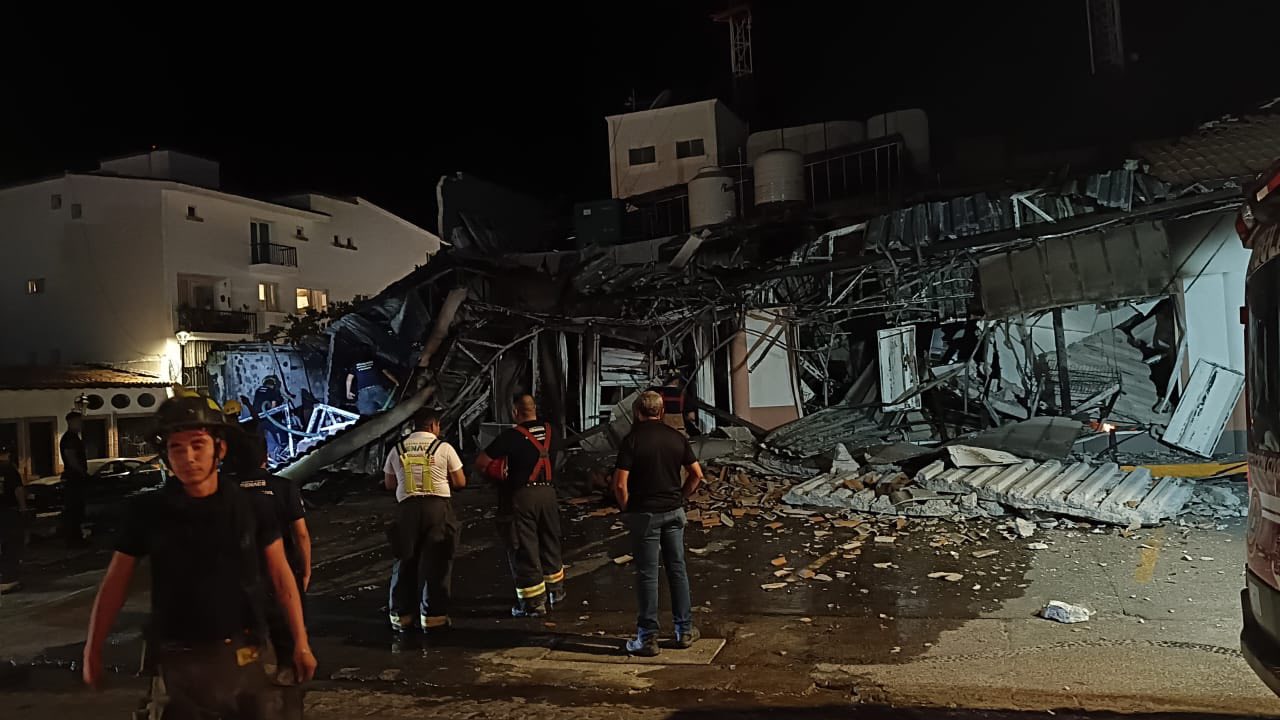
The cleanup follows a burst of coordinated disruption on Sunday, February 22, 2026. Federal authorities said Nemesio Oseguera Cervantes—widely known as “El Mencho”—was killed in an operation near Tapalpa. After that announcement, officials described retaliatory actions linked to Cártel Jalisco Nueva Generación in multiple states. The federal Gabinete de Seguridad reported 252 road blockades across 20 states, with 65 in Jalisco. In Puerto Vallarta, the fallout included vehicles set on fire, temporary road closures, vandalized shops, and damage to commercial areas. City officials also reported a prison breach in Ixtapa that allowed 23 inmates to escape. The incidents disrupted transportation, reduced foot traffic, and triggered flight cancellations and delays. Authorities urged residents to rely on official updates and verified images. Some widely shared pictures from the first hours were later debunked as AI-generated. By Monday night, the emphasis had shifted from avoiding danger to documenting damage and restoring movement.
Cleanup and reopening
The city’s first operational goal was simple: clear the roads that make everyday life possible. On Monday, Mayor Luis Ernesto Munguía convened a municipal security meeting focused on recovery actions. Officials said crews had been working since Sunday to remove vehicles used to block streets. The priority was reopening primary avenues, then restoring public transport service. Local updates pointed to Avenida Francisco Villa and Avenida México. They also cited routes linking neighborhoods with the hotel zone and commercial areas. On the ground, the work was physical and slow. Vehicles had to be cooled, secured, and towed without creating new bottlenecks. A municipal update said 92 vehicles had been removed by February 23. Early figures indicated that dozens of vehicles had been impounded. Work stayed concentrated at intersections where burned trucks had blocked lanes. By Monday evening, officials said movement was returning in stages. Cleanup teams kept shifting wrecks, ash, and debris off the pavement.
Security was treated as part of the cleanup plan, not a separate track. On February 24, Secretaría de Marina said it deployed 103 marines and vehicles for reinforced patrols. The reinforcements arrived by sea and were assigned to surveillance in affected areas. State officials also moved to normalize daily activity. Governor Pablo Lemus announced the lifting of the statewide “Código Rojo” emergency protocol. He said coordination would continue through a standing security table, with patrols maintained. At the federal level, Claudia Sheinbaum urged the public to stay calm and follow official channels. For residents, including foreign retirees and winter visitors, the message was practical. Officials said the goal was to keep streets open while damage assessments continued. Recovery depends on clear roads, open services, and reliable information. By Tuesday, that approach showed in traffic flow and routine commerce. It also showed in cleanup crews working under police watch.
Air travel has been a practical test of recovery, especially for expats and winter visitors. On Sunday, several carriers canceled or diverted flights as the unrest unfolded. By Tuesday, Grupo Aeroportuario del Pacífico said airports were nearing normal schedules. It put the Aeropuerto Internacional de Puerto Vallarta at about 95% activity, with a few cancellations remaining. Operators also said both terminals in the state were being monitored by the Guardia Nacional. Airport access roads had to stay clear for taxis, buses, and staff shifts. Officials advised passengers to confirm flight status directly with their airline. Local reporting described full waiting areas and regular check-in lines. Many passengers were headed to Canada and the United States after their itineraries were disrupted. For travelers delayed by earlier cancellations, on-time departures reduced immediate uncertainty. For the city, restored air links also signaled a return of routine commerce. Hotels, restaurants, and service jobs depend on arrivals, and short disruptions hit paychecks quickly.
What comes next
The most immediate question for residents and travelers is whether the city can keep moving while repairs continue. Official updates point to a staged return: key roads reopened first, then services and commerce. Air travel appears to be stabilizing, and airport operations are moving closer to normal schedules. Cleanup, however, will last beyond the moment when streets look clear. Vehicle removal is only the start. It is also the most visible sign of resilience in public view. Businesses still need inspections, insurance claims, and basic repairs before they can fully reopen. Public agencies also have to document damage for investigations, while maintaining patrols that deter vandalism. Authorities have urged residents to rely on official channels after false images circulated online. For expats who rely on routine, the best indicator is consistent access to essentials. That includes reliable transportation, open grocery stores, and predictable ground access at the airport. In the days ahead, progress will be measured by daily services, not headlines alone.