Residents in Puerto Vallarta report a month of foul sewage in Linear Park draining into the Pitillal River, renewing health fears for Holi beach swimmers.
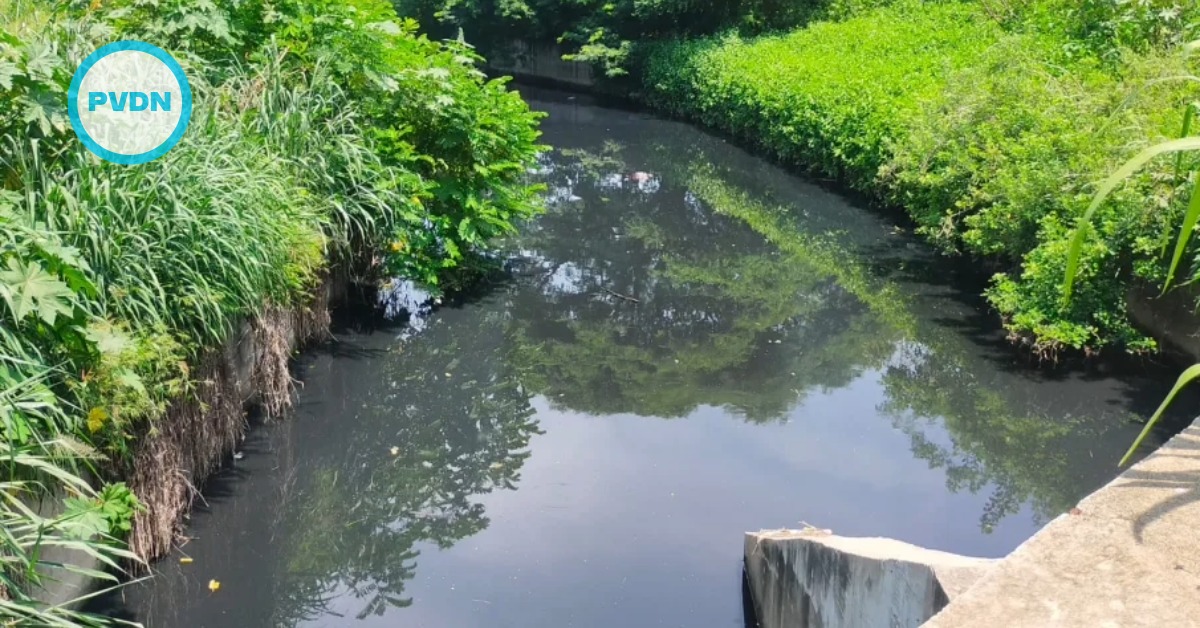
A new stretch of stagnant, foul-smelling water has turned part of Puerto Vallarta’s Linear Park into an open sewage pond. Neighbors say the dark liquid has been flowing for about a month through the park’s canal, coming from the direction of Fluvial Vallarta and continuing toward the Pitillal River before emptying into the bay near Holi beach. They describe a growing “lagoon” that stains the concrete, carries a heavy odor and sits just meters from a space meant for recreation and exercise.
Residents who walk the area daily say the flow never really stops. When it rains, they report that the pool spreads and the water rushes faster down the canal, only to slow and stagnate again when the skies clear. According to these neighbors, the problem began as a trickle several weeks ago and has since expanded into a wide, dark patch that they no longer bother to step around, because the smell reaches them long before they see the water.
The canal that runs along Linear Park is part of an old riverbed system that carries stormwater and runoff toward the Pitillal River. That river, in turn, empties into the sea by Holi beach, a spot already associated with past pollution alerts. For residents, the geography is simple: what sits in the park today is carried to the river tomorrow and ends up where people swim.
Neighbors living with the stench
People who live along the park say they have filed repeated complaints about the spill, warning of the smell, the insects it attracts and the risk of children, joggers or workers accidentally coming into contact with the water. Some say they now avoid certain sections of the park, especially at the hottest times of day when the odor feels strongest.
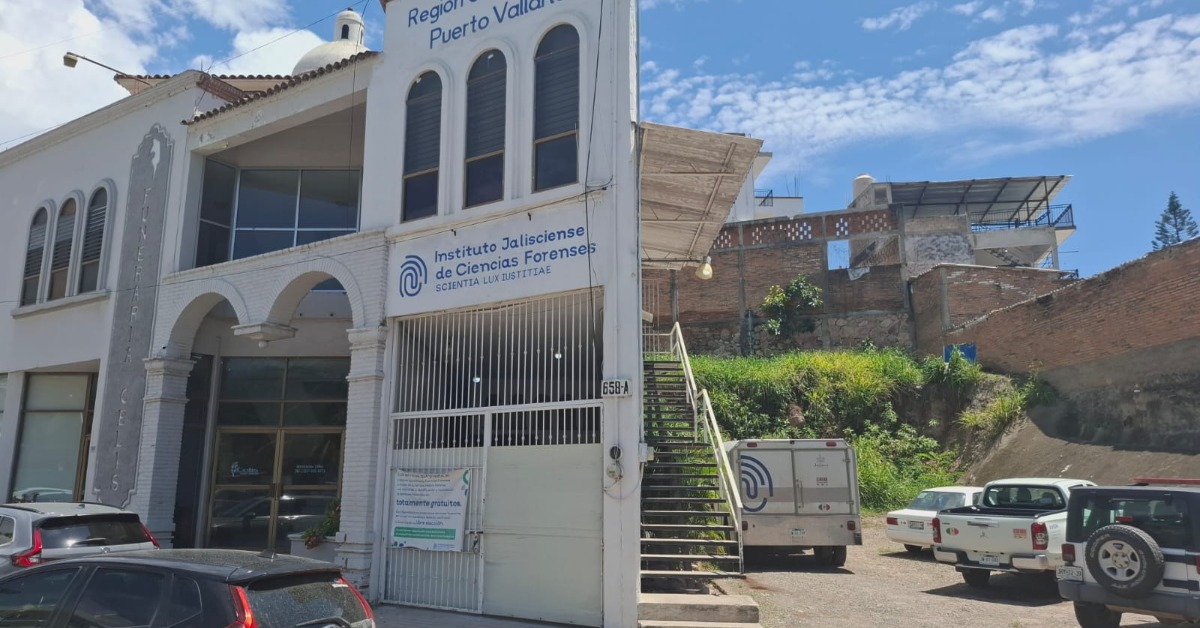
Neighbors point to the city’s water and sewer operator as the authority responsible for stopping the leak. They argue that despite calls and reports, they have not seen the necessary work to cut off the flow into the canal and repair whatever pipe or connection is failing upstream. Their frustration is sharpened by the sense that the problem is not new, but part of a chain of similar events along the Pitillal corridor.
Two years ago, a similar channel of dark, stagnant water was documented running parallel to Avenida Los Tules, between private developments and Fluvial Vallarta, before draining into the Pitillal River and out to Holi beach. At that time, utility officials said they would take samples along the canal to determine whether the discharge came from illegal sewage connections or decomposing organic matter, and they acknowledged that the water carried gases and odors typical of waste in poor circulation.
Those earlier assurances did little to calm nearby residents, who watched the black water continue to flow into the river while Holi beach remained flagged as unsafe for swimmers. The new “lagoon” in Linear Park now feels, to many of them, like a replay: another visible sign that whatever is leaking into the system upstream is still making its way downstream to the same stretch of coast.
Pitillal River sewage
The Pitillal River sewage problem is bigger than one puddle in a park. In recent years, federal and state health monitoring has repeatedly highlighted Holi Beach, also known in official reports as Oasis, as a trouble spot for fecal contamination. In 2024, tests by federal health regulators found levels of fecal bacteria at Holi far above what Mexican standards allow for recreational waters, and officials specifically linked those high readings to contaminated discharges flowing down the Pitillal River.
Earlier that same year, a separate monitoring report from the state health commission measured enterococci — a bacterium associated with fecal matter — at Holi right at the regulatory limit. Health authorities warned that exposure to such contamination can cause digestive problems, respiratory symptoms and infections of the skin and eyes, especially for swimmers and surfers who spend extended time in the water.
Citizen complaints have also piled up upstream. Residents in the El Pitillal area have documented wastewater flowing through neighborhood streets and into the river after manholes and drains collapsed, describing months of foul runoff that eventually disappears into the Pitillal’s murky currents. Others along the riverbank and near the river mouth have reported pipes and drainage outlets that appear to discharge untreated wastewater into the channel, particularly after rain.
Faced with those reports in past years, local officials have urged residents and businesses not to dump trash or wastewater into the river, especially during the first storms of the rainy season, when runoff carries everything downhill in a matter of hours. They have also pointed to ongoing projects to modernize water and sewer lines across Puerto Vallarta, including works near the Pitillal corridor, arguing that infrastructure upgrades should reduce the risk of future spills.
For people living beside the new black-water pool in Linear Park, those messages now ring hollow. From their perspective, investments listed in official documents have not translated into a quick fix for a leak that has been visible and smellable for weeks in one of the city’s most-used open spaces.
Health experts generally recommend avoiding direct contact with water that may contain sewage, especially for children, older adults and anyone with open cuts or weakened immune systems. In Puerto Vallarta, that advice has taken on a local shape: avoid swimming near river mouths after heavy rains, think twice before entering the water when authorities warn about bacterial levels, and stay clear of stagnant blackwater ponds like the one now in Linear Park’s canal.
The pool at Linear Park is more than a nuisance. It is a visible reminder of how closely the city’s rivers, beaches and neighborhoods are connected — and how quickly a broken line or illegal discharge upstream can become a health question downstream. Residents are still waiting to see whether this latest episode prompts a lasting solution, or just another round of complaints as the sewage keeps moving toward the sea.