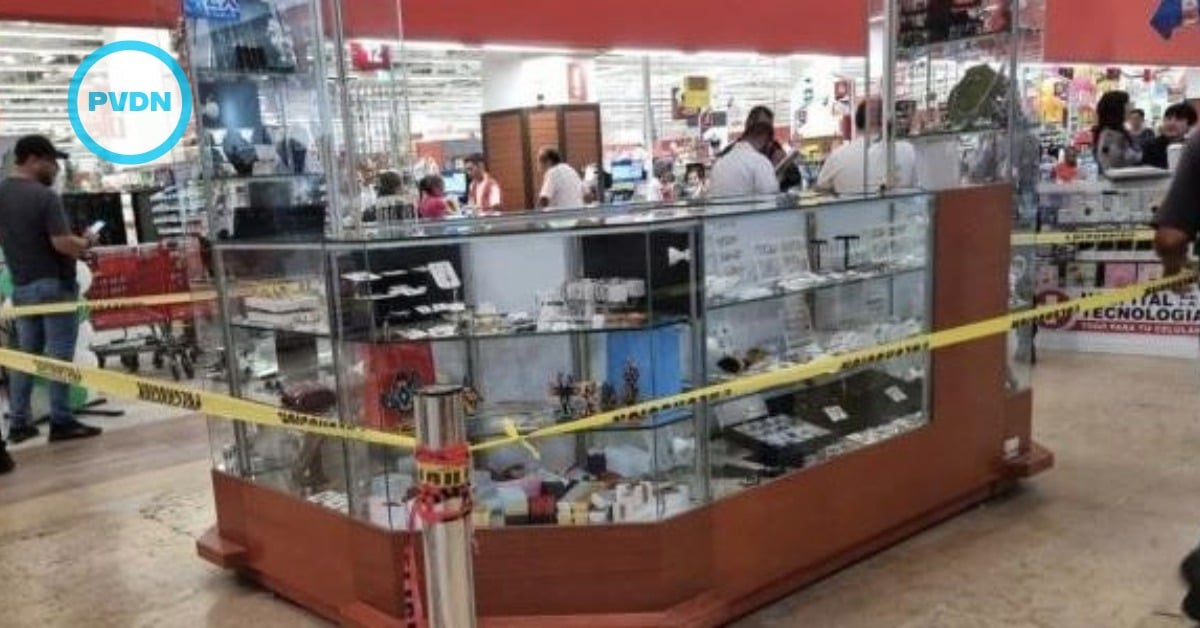
A jewelry kiosk inside the Soriana at Plaza Caracol was hit overnight, with the owner reporting losses estimated between 300,000 and 400,000 pesos. Staff discovered forced display cases at opening on Saturday morning, November 8, and called authorities. State prosecutors opened an investigation into the break-in. According to early reports, the damage suggested methodical entry rather than a chaotic smash-and-grab.
Local outlets describe the business as a small island kiosk near the entrance to the supermarket. Police took an initial report on the scene and notified state investigators to review the mall video and identify a possible route of entry. No arrests had been announced by Sunday morning, and officials have not publicly detailed what, if anything, cameras captured overnight.
The owner told officers the missing items were gold pieces, with the value tally based on a quick inventory after opening. That number may change as a more formal count happens. For shoppers and workers who arrived later in the morning, the first visible signs were damaged locks and open cases. Authorities have not said whether the kiosk had additional alarms or after-hours guards assigned by the plaza. Reporting so far indicates a quiet, targeted theft during the night shift inside the mall. Plaza Caracol jewelry robbery is now the working frame for investigators as they track timelines and potential accomplices.
El Sol de Nayarit first reported the estimated loss range and the manner in which the cases were forced. That account, based on information from the scene, matches what other local reporters learned from employees and police who responded at dawn.
What police say so far
By Saturday afternoon, the State Prosecutor’s Office had taken the lead, a typical step for property crimes inside commercial centers. Detectives were expected to review footage from interior corridors, emergency exits, and Soriana’s loading areas to see where the suspects may have entered and exited. The kiosk’s owner filed a formal complaint, which allows investigators to pull additional records and request any nearby private camera clips that could show movements before the mall closed and after it opened. As of publication, officials had not released any suspect descriptions or a vehicle description.
Mall security is again under scrutiny. Overnight patrols inside large commercial spaces can be thin, with guards covering long corridors and multiple exits. In these cases, thieves sometimes target fixtures that close with basic locks and rely on speed and quiet rather than brute force. Investigators have not said whether tools were left behind or whether the locks and hinges were pried cleanly, which could help narrow down the method and timeline. Shoppers on Saturday encountered normal operations, aside from the taped-off kiosk area, while police took statements and employees checked inventory.
If the loss figure settles near 400,000 pesos, it would roughly equal the cost of dozens of small gold chains and rings, depending on weight and karat. That value range often determines which investigative unit takes the case and whether additional forensic resources are used, like trace prints from case frames or specialized reviews of mall access logs. Detectives will also look at resale patterns. Gold items are easy to melt or move quickly through informal channels, so early hours matter.
The kiosk sits in front of the Soriana entrance, a high-traffic area where surveillance is common. That placement could give investigators several camera angles if the suspects walked the pieces out after opening doors or used a side exit during the night. Whether they had insider knowledge—or simply watched the closing routine—remains an open question.
Plaza Caracol jewelry robbery
This weekend’s break-in is not the first case at this plaza this year. In March, two men—one reportedly armed—robbed a jewelry store inside the same center during business hours and escaped with an estimated 1.5 to 2 million pesos in jewelry. State authorities said they were investigating a suspect days later. That earlier case drew a large response and prompted questions about guard staffing and camera coverage across the complex.
The comparison matters for shoppers and workers. Saturday’s incident appears to be an after-hours burglary focused on forced cases and a quiet exit, not a stickup. The risk profiles differ, but both test how security is layered: locked cases, alarms, trained staff, and active monitoring after the last store closes. The march robbery led to additional patrols and public statements; whether this latest case triggers similar steps will depend on what the footage shows and whether police can quickly identify a suspect.
For now, the plaza remains open, and Soriana continues normal service. The kiosk owner is left with damaged cases and a disrupted business at the start of the busy season. If you were in Plaza Caracol late Friday or early Saturday and noticed unusual activity near the Soriana entrance or side corridors, investigators want those tips. Even a hazy recollection of doors propped open, a suspicious bag, or an unfamiliar vehicle near a service exit can help anchor a timeline.
Authorities rarely publicize every step in property cases, especially with limited video. But the sequence here—discovery at opening, a quick on-scene response, and a handoff to state detectives—suggests a familiar track for crimes of this size. The open questions now are practical ones: how entry was made without drawing attention, whether the suspects cased the kiosk earlier in the week, and how quickly the gold could be fenced. Answers to those questions will tell residents if this was a one-off opportunity or part of a pattern—and whether added after-hours coverage at the plaza can stop the next attempt.