Puerto Vallarta’s mayor is facing a political-trial request in Jalisco Congress after a local councilwoman accused his administration of withholding financial records tied to public spending. The request does not prove wrongdoing, but it shifts a growing City Hall dispute into a formal legislative process. At the center are public-account records, questions about municipal spending, and whether lawmakers believe the complaint meets the legal threshold for deeper review.
Vallarta mayor hit by political trial request
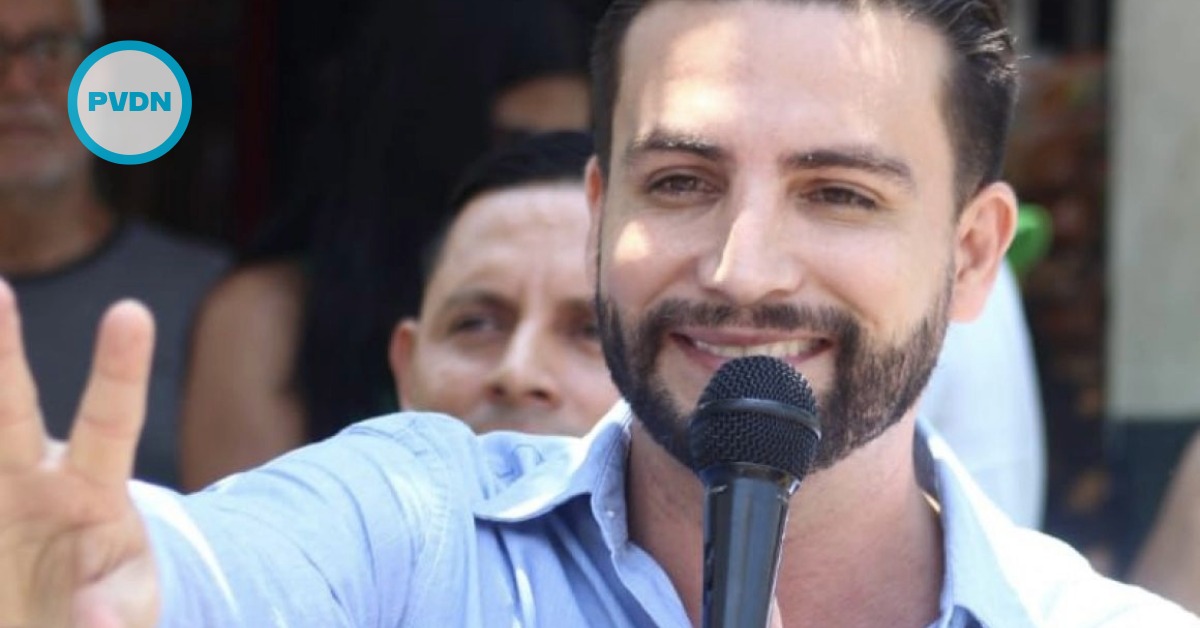
Puerto Vallarta Mayor Luis Ernesto Munguía faces a request for a political trial before the Jalisco Congress after independent councilwoman Melissa Madero accused his administration of withholding financial records tied to public spending.
The request, made public May 30, asks lawmakers to review whether proceedings should be opened into alleged irregularities in public resource management. The filing does not establish misconduct. It starts a screening process that can result in rejection before any trial begins.
Madero alleges the municipal government failed to provide key financial information, including budget analysis, supplier and contractor records, municipal debt, liabilities, and pending payments. She also points to what she described as unanswered official requests made since January.
Madero called the request “just the first step,” or only the first step. She said her office is gathering more records connected to municipal finances.
No public response from Munguía to the new request was included in the documents and statements reviewed for this article.
ASEJ record sits at center of allegation
One official record gives the complaint a specific point of reference. A March 23 report from the Auditoría Superior del Estado de Jalisco lists Puerto Vallarta as having received zero detailed public accounts for fiscal year 2025 in its reception report for auditable entities.
That entry does not, by itself, prove illegal conduct. It does show that the state auditor’s published file recorded no detailed accounts received from Puerto Vallarta as of that report date.
The dispute also hit during a year of pressure over city finances. Puerto Vallarta’s approved 2026 spending was set at about 3.1 billion pesos in the municipal government’s official budget publication. City Hall and Seapal have also sought new credit and debt refinancing, adding another layer to public scrutiny over borrowing, liabilities, and payment obligations.
Madero and Munguía were already in an open political conflict before the filing. In February, after staff dismissals in her council office, Madero said, “I wasn’t elected to obey power; I was elected to watch over it.” The mayor had not issued a public response in that account at the time.
What Congress must decide next
Under Jalisco law, any citizen may file a political-trial complaint, but it must be in writing, target an eligible public official, and include evidence tied to conduct defined by law. The state’s political and administrative responsibilities law assigns the initial review to Congress through its responsibilities process.
The request is expected to be reviewed by the Commission of Responsibilities, chaired by PAN lawmaker Claudia Murguía Torres, according to the Congress commission listing. The commission must decide whether the complaint meets the legal threshold to move forward.
If lawmakers admit the complaint, the process can move into an investigative phase. The mayor would have the right to respond. If the case advances further, Congress can act as a sentencing jury, while the commission functions as the accusing body.
The Jalisco Constitution states that municipal presidents may face a political trial for acts or omissions that harm the public interest or good administration. Possible sanctions include removal from office and disqualification from holding public posts, according to the state constitution.