Puerto Vallarta’s city council pushed through its 2026 revenue plan after a long and contentious session. The package projects just over 3.1 billion pesos and folds in new and higher local charges. The plan references parking fees and contemplates charging a sanitation fee on short-term platform stays. Protesters say they were shut out of the process and want a clear debate before anything rolls out on the street. City officials argue the bill only sets the framework; implementation will require separate steps.
Puerto Vallarta 2026 revenue law
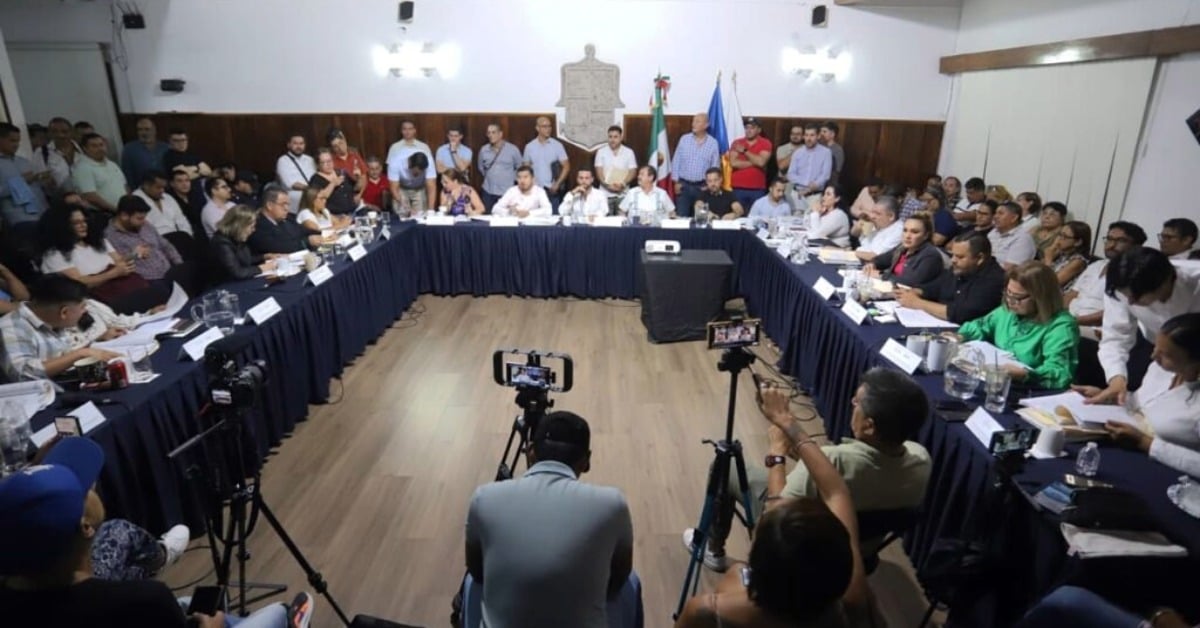
Puerto Vallarta’s council approved its Puerto Vallarta 2026 revenue law after a session that stretched close to four hours. Reporting from the chamber puts the projected take at 3,101,869,000 pesos, with a general five percent adjustment tied to inflation. The vote came despite residents asking to be heard before the roll call was taken. The mayor left the room under escort as the crowd pressed its case.
The city’s agenda confirms the revenue bill was placed on the docket for August 27, with instructions to remit the approved draft to the Jalisco Congress for final authorization. The same item is included in SEAPAL water and wastewater tariffs for 2026, as well as the city’s cadastral tables. That procedure is standard: cabildos pass draft “leyes de ingresos,” and the state legislature enacts the final text later in the year.
What’s actually in—and not yet in—this plan
Local coverage reports that the law includes public parking charges and parking meters, with a five percent across-the-board increase. Another outlet reports that the mayor told residents the meters themselves were not approved, despite the audience criticizing the process. Those accounts can both be accurate: a revenue law may set fees and categories without authorizing equipment, concessions, or operations. Those would still need separate votes or contracts.
The debate has already spilled into the streets. Residents blocked traffic downtown and called for the mayor’s presence, and a petition opposing meters has gathered thousands of signatures. Protests continued into Friday as the council’s handling of the agenda fueled distrust.
A new sanitation charge for platform lodging
The council also advanced a “Derecho de Saneamiento Ambiental” targeted at digital lodging platforms—think Airbnb and similar sites. Coverage describes it as an environmental sanitation right that would be applied to platform bookings starting in 2026. This mirrors earlier reporting from mid-August, in which the treasury pitched the charge to ensure platform travelers contribute to local services. Exact rates will be defined in the final text and implementation rules.
Water tariffs and the household bill
In parallel, SEAPAL Vallarta signaled an 8% water-rate increase for 2026 and a new category for short-term lodging. The council’s agenda bundles SEAPAL’s tariff schedule into the revenue package sent to the state, so residents should expect both debates to move in tandem through the fall.
What happens next
None of this is final until the Jalisco Congress enacts Puerto Vallarta’s revenue law. Last year’s process shows a pattern: municipalities submit drafts, and Congress publishes the enacted versions—often with edits—near the end of the year. Expect clarifications around parking enforcement, any concession model for meters, and the precise mechanics of the sanitation charge on platform stays. Those details decide what residents actually pay and when.
Accountability questions remain
Residents didn’t just protest fees. They protested how the vote happened. The council recessed and reordered items, so the revenue bill was presented late, after many protesters had left or were held back at the door. That perception gap, more than any line item, is driving anger—and will shape whether the city can implement new charges without deepening mistrust.
What to watch now
Watch for the formal text the city transmits to Congress and the version Congress returns. Additionally, check for any separate authorizations for meter equipment, zones, hours, and fines. Pay attention to SEAPAL’s board for a recorded vote on the eight percent adjustment and the short-term lodging tier. These are the steps that turn a framework into charges on the ground.