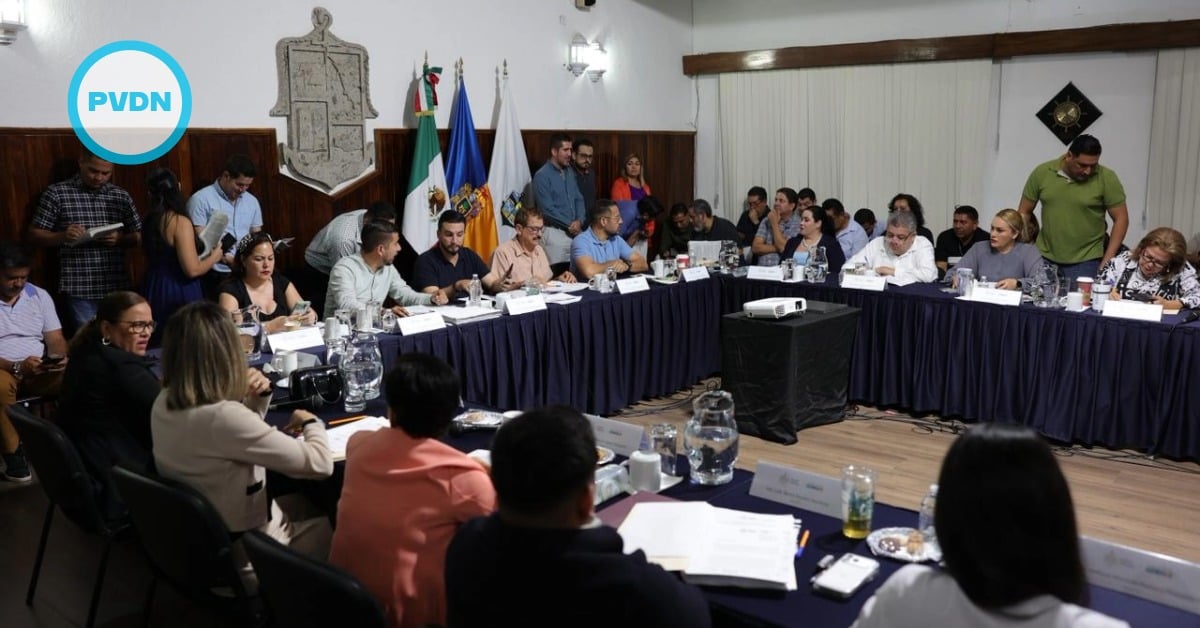
Puerto Vallarta’s city council has approved a new sister-city agreement with Arandas, Jalisco, bringing together one of Mexico’s best-known beach destinations and a highland tequila hub. The move opens the door to a public ceremony on the Malecón and a formal plan to share tourism, culture, education, and local development work between the two municipalities.
The council vote authorizes the celebration of the hermanamiento and a cooperation agreement that officials plan to sign during a solemn session at Los Arcos, the open-air amphitheater on the waterfront. The event is scheduled for Tuesday, November 25, at 6 p.m., with the full council from Arandas invited to attend alongside Puerto Vallarta’s own authorities.
From tequila highlands to the Pacific shore
Arandas sits in the Altos Sur region of Jalisco, a plateau that rises above 2,000 meters and is known for its red soils and vast blue agave fields. The municipality has just over 80,000 residents, most of them in the town of Arandas itself, and it is recognized as a production center for tequila that depends on the region’s agave and climate.
Local cultural identity in Arandas is closely tied to ranching, religious festivals, and charrería, the traditional Mexican equestrian sport that UNESCO lists as part of the world’s intangible heritage. January festivities for the Virgin of Guadalupe, Independence Day celebrations, and regional fairs help keep that highland identity visible throughout the year.
Puerto Vallarta, by contrast, is a Pacific coast resort city whose economy is anchored in beach tourism and services. Its Malecón and historic center draw international travelers and domestic visitors, with Los Arcos serving as an emblem of the city’s public life and a backdrop for concerts, civic events, and celebrations.
Linking a coastal destination with a tequila-producing highland town gives both municipalities a shared platform inside Jalisco’s wider tourism map. State tourism authorities recently launched a new tequila route in the Altos region that includes Arandas among eight participating municipalities, packaging distillery visits, agave landscapes, and local festivities as a single experience for visitors.
What the Puerto Vallarta Arandas sister pact could change
The sister-city agreement approved by the council establishes a broad framework for cooperation in tourism, culture, education, and the local economy. The text authorizes the signing of a formal convenio that will spell out collaboration in those areas, but it does not yet list specific projects or budget lines in public documents.
Experience from Puerto Vallarta’s earlier sister-city ties suggests what this type of agreement can produce over time. Partnerships with Santa Barbara, Highland Park, and Mission in the United States have included cultural exchanges, student and civic delegations, and donations of equipment for local services. Municipal officials present the Arandas pact as part of that same network of long-term relationships.
In tourism, the new relationship could support joint promotion of itineraries that link beach stays in Puerto Vallarta with excursions into the tequila highlands. For Arandas, the agreement arrives as the tequila route in Los Altos is being promoted nationally and internationally, giving local producers and tour operators another potential bridge to the Pacific coast.
Cultural and educational exchanges may follow the pattern of Puerto Vallarta’s past hermanamientos, with reciprocal visits by musicians, artists, and students, or participation in civic celebrations in both cities. Arandas, which maintains a long-running municipal band and strong plaza traditions, brings a distinct highland identity that contrasts with Puerto Vallarta’s coastal culture around Banderas Bay.
The agreement also lands in the same year that Puerto Vallarta updated its Sister Cities Regulation, with reforms approved on August 4 and entering into force later that month. Municipal records show that the updated rules define how the city establishes, maintains, and evaluates sister-city ties, including procedures for approving agreements and tracking their results.
As part of the same decision, the council declared Los Arcos on the Malecón an official alternate venue for solemn sessions of the Ayuntamiento. That status means the amphitheater can now host formal council events such as the Arandas ceremony, reinforcing the Malecón’s dual role as a tourist attraction and a civic gathering place.
How much the new pact changes daily life will depend on the follow-through once the ceremony is over and the convenio is signed. For now, the decision brings together a Pacific port and a highland tequila town under a shared municipal agenda, opening another channel between two very different faces of Jalisco.