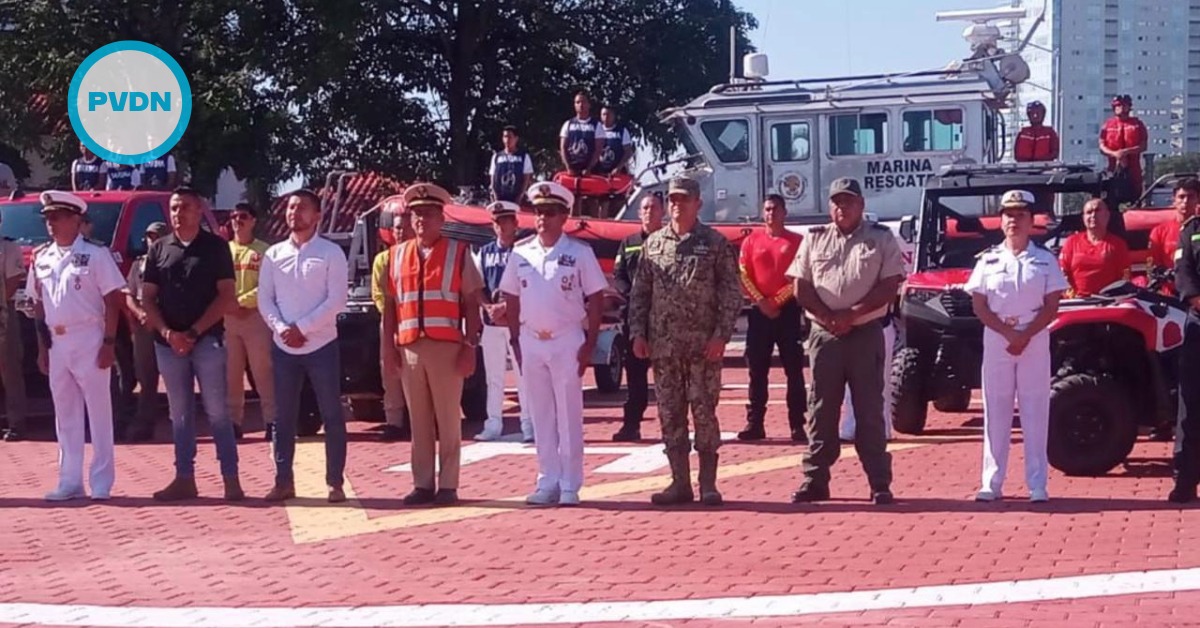
Puerto Vallarta beach safety ramps up with Navy Operación Salvavidas patrols, lifeguards, and rapid response through early January.
Puerto Vallarta is entering the busiest stretch of the year with a boosted beach safety plan that runs from December 19, 2025, through January 9, 2026. Local officials say the city is joining the Navy’s winter Operación Salvavidas under the broader Plan Marina framework, with a focus on prevention, patrols, and fast response when something goes wrong.
For residents, this usually means you will notice more uniformed presence around the highest-traffic beach areas, especially on days when the bay is packed. The city’s Civil Protection and Fire Department is working alongside Navy personnel, and the coordination is not limited to Puerto Vallarta. Authorities say support and coverage also link up with responders in Bahía de Banderas and Cabo Corrientes, which matters because visitors move across the bay like it is one shared destination.
The stated goal is simple: reduce avoidable accidents and respond quickly to emergencies. That can mean anything from helping a swimmer in trouble to clearing space for an ambulance, or stepping in early when conditions shift and people push their luck anyway. Winter in Vallarta can look calm from the sand, but currents and surprise sets can catch out even strong swimmers, especially visitors who assume the bay always behaves like a pool.
How Operación Salvavidas Works
Operación Salvavidas is designed for exactly this season. The Navy activates it during high-travel holiday periods to reinforce safety and surveillance at major beaches and coastal tourism zones. Nationally, the Navy’s winter deployment includes thousands of personnel and a large mix of sea, air, and land support meant to speed up rescues and medical care when minutes matter.
Across the country, the plan includes rescue and first-aid capacity built around ships, smaller rescue boats, aircraft support, ambulances, and ground vehicles. The Navy also deploys specialized rescue stations along Mexico’s coasts that are trained for search-and-rescue, diving, and emergency response. In plain terms, it is a national safety net that local cities can plug into when the coast fills up with families, tourists, and weekend crowds.
Puerto Vallarta’s local piece of that effort leans heavily on coordination. City responders handle the on-the-ground beach reality and the everyday calls. The Navy adds muscle, training, and additional response tools. When it works well, the public rarely notices the most important part: problems get spotted earlier, handled faster, and kept from becoming tragedies.
What Residents and Visitors Should Do
If you live here, you have probably watched visiting friends treat the ocean like it is predictable. This is the moment to give them the short talk, even if it feels awkward. The most consistent beach emergencies start the same way: someone underestimates the water, swims after drinking, or stops watching a child for “just a second.”
Authorities are again stressing the basics, and they are not said for show. Pay attention to lifeguards and any posted warnings. If beach flags are flying, treat them like rules, not suggestions. Green generally signals safer conditions, yellow means use extra caution, and red means stay out. When you see red, it is not a challenge. It is a warning that rescues are likely, even for confident swimmers.
It also helps to choose where you get in. Swim near supervised areas and away from zones where boats, jet skis, or other watercraft pass through. Keep kids close enough that you can grab them without sprinting. If you are taking a small boat tour or using a water taxi, insist on a life jacket that actually fits and wear it. The bay feels friendly until it doesn’t, and the risk is not always dramatic waves. Sometimes it is fatigue, a cramp, or a current that slowly pulls someone out of their depth.
On crowded days, one small decision can make a huge difference for emergency crews. Do not block beach access points. Rescue teams and ambulances need clear paths, and delays can turn a manageable emergency into a serious one. And even in “winter,” dehydration and sun exposure are real here. Drink water, use sunscreen, and take breaks in the shade, especially if you have guests who are not used to coastal heat.
Why This Matters for Expats
For many expats, the holidays bring a double rush. The city fills up, and your own home life can get busier with visiting family and friends. That is precisely when preventable accidents happen. People want to squeeze in one more beach day, one more swim, one more sunset photo from the shoreline, even when conditions are changing.
This operation is not about scaring anyone off the sand. It is about making sure the fun part of the season does not end with a frantic run toward flashing lights. The best outcome is boring: full beaches, calm water decisions, and a long string of days where the extra patrols never need to do more than watch and remind.
As the operation runs through January 9, expect the highest visibility around Christmas week and New Year’s, when Vallarta hits peak density. If the sea turns rough, take the hint early. There will always be another swim day. It is a lot harder to replace a split-second choice that goes wrong.