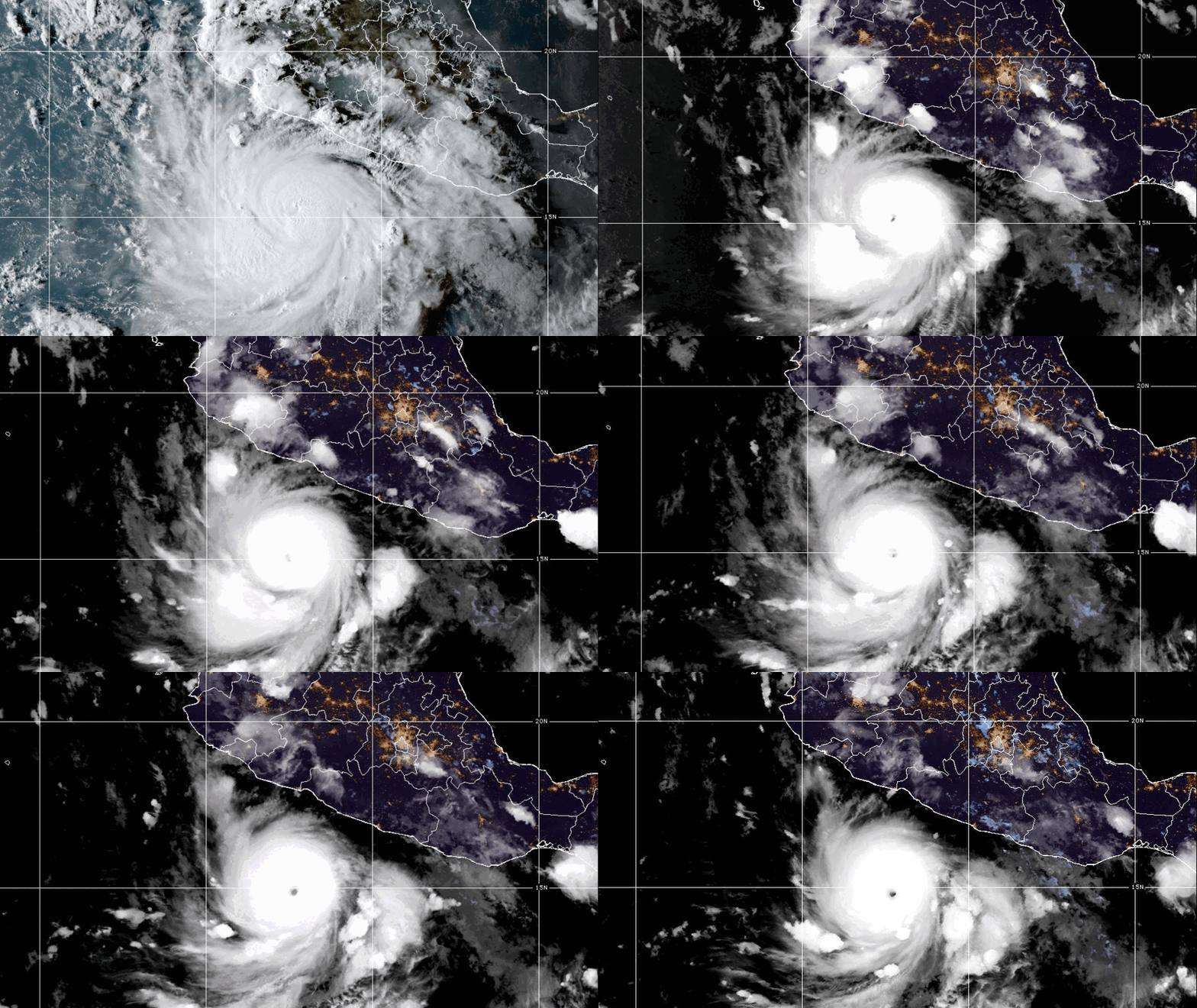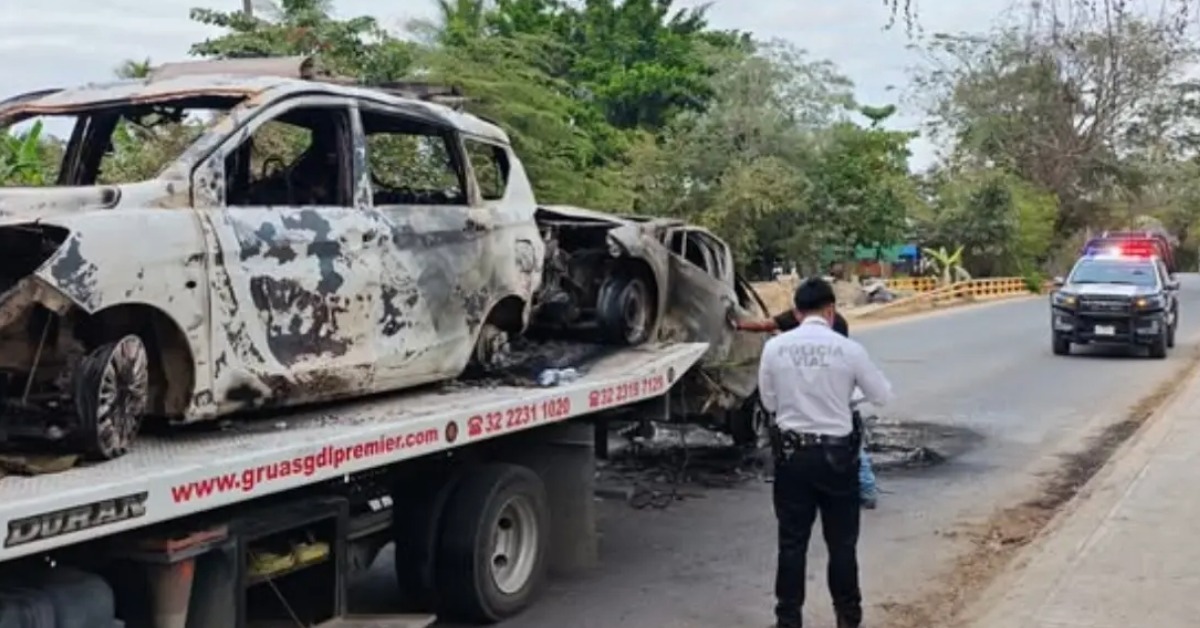
Charred vehicles still sit across key corridors in Puerto Vallarta, a visible reminder of Sunday’s violence. City crews have started removing them, but officials say each unit must be cooled and handled on a case-by-case basis, slowing the effort. What residents and visitors still don’t have is the one update everyone is waiting for: a clear, citywide statement on whether it’s safe to resume normal routines, and what “normal” looks like in the hours ahead. Until then, cleanup is moving forward, but public guidance is lagging.
Removal work starts, but it won’t be quick
Puerto Vallarta’s local government says the first phase of clearing burned vehicles from city roads is now underway, a practical step toward reopening routes after a day of violent incidents left multiple corridors partially blocked. The update, posted through the municipality’s official social media channels, signals a shift from emergency response to recovery operations, at least in the streets where burned-out units are still visible.
Officials cautioned, however, that “removal” is not as simple as hooking up a tow and moving on. Before any vehicle can be relocated, cooling procedures are required to reduce risk and create safe working conditions for crews and the public. The city said the process may move slowly and in stages, with each vehicle requiring a specific approach depending on its condition.
Security presence remains, even as cleanup begins
The municipality said its police and the local Civil Protection and Fire Department remain deployed at strategic points across the city, working in coordination with state and federal authorities. That operational presence is being framed as part of the ongoing response to the incidents recorded earlier Sunday, when burned vehicles and other disruptions spread uncertainty among residents, workers, and visitors.
In a separate preliminary report issued later in the day, the municipal government outlined a range of incidents it said were reported across different parts of Puerto Vallarta, including vehicle fires in various roadways and reported damage or fire-related impacts at several commercial locations. The same report also noted that classes were being suspended on Monday, Feb. 23, in Puerto Vallarta and across Jalisco, aligning the city’s local response with broader state-level measures.
The unanswered question residents keep asking
What the city has not provided, at least publicly and in a single definitive message, is a clear statement of current safety conditions for the general population. There has been no citywide “all-clear” telling residents when it is safe to leave their homes, return to work, or resume routine movement across town, and no comprehensive briefing explaining the conditions officials use to determine when normal activity can resume.
The information gap matters because cleanup activity can, from the street, look like a return to normal. A burned vehicle being hauled away is a reassuring sight, but it does not answer the larger question of whether risks have fully passed or whether disruptions could flare again. For expat residents, that uncertainty can quickly turn into practical problems—whether it’s deciding to head to the store, welcoming arriving guests, or figuring out what Monday will look like for schools, commutes, and services.
For now, the city’s messaging remains broad: follow official channels, avoid rumors, and allow crews to work. Officials have not provided an estimated timeline for completing vehicle removal across all affected areas, nor have they announced when any mobility limitations—formal or informal—should be considered lifted. Until those pieces are filled in, Puerto Vallarta’s recovery will be measured in two parallel tracks: what residents can see on the streets and what authorities have not yet clearly put into words.