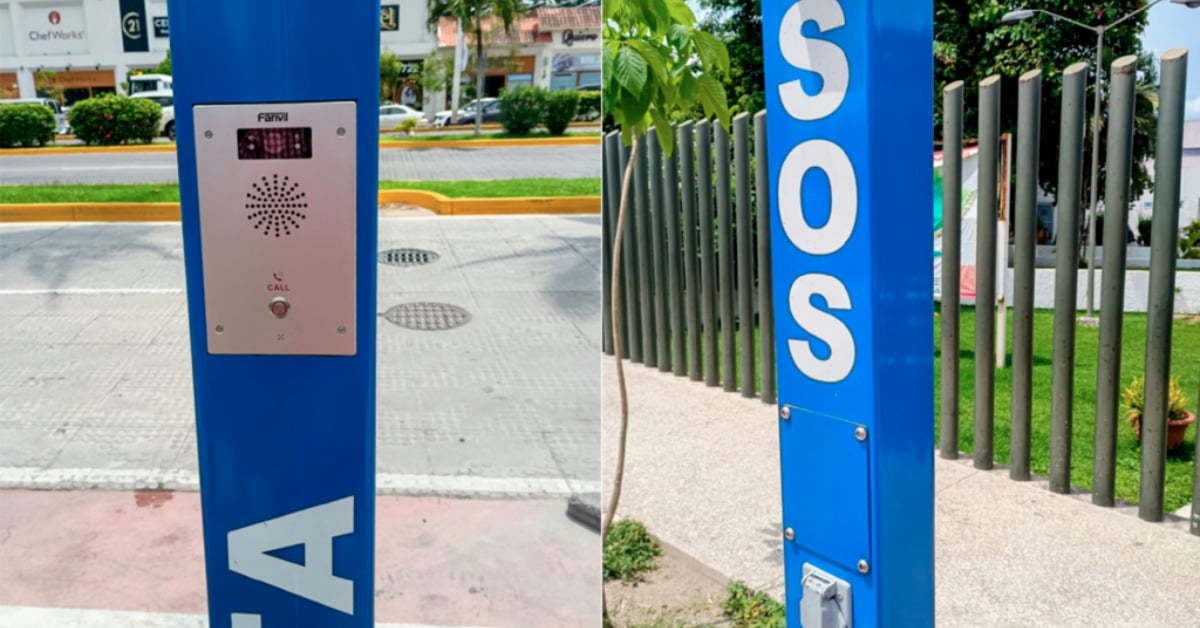
Puerto Vallarta’s new wave of safety tech is more than a blue pole on a street corner. Ten months after launch, the network of panic-button totems is shaving minutes off emergency response and fielding dozens of calls each day. Most are routine—medical scares, minor crashes, a stolen bag—but the system’s visibility is changing how people feel in the city’s busiest corridors. Here’s what’s working, what still needs fixing, and why this matters for a destination that lives on trust and tourism.
Puerto Vallarta trims emergency response times with street-level tech
Puerto Vallarta’s blue security totems are doing what they promised: getting help to people who need it faster. City Public Security Commissioner Eduardo Horacio Llanas Cuevas says the average response time has dropped from roughly five minutes to about three since the devices went live. Time matters in a medical emergency or a crash on a crowded street.
Each totem is a tall, obvious post with a panic button, microphone, and speaker for two-way audio, and a camera. Many also offer USB ports to charge phones—small details that make the posts easier to approach and use.
Deployed on busy blocks and along tourist routes, the totems are now part of the city’s daily rhythm. The system averages approximately 50 calls per day, although the volume fluctuates with the season. Tourists use them often—another sign that the devices are as much about perception and access as they are about hardware.
How the system was built
Puerto Vallarta installed 120 totems in September and October 2024 under the previous administration; regular operations began in November 2024 under the current local government. The city paired the rollout with a dedicated command-and-control room (C2) that monitors cameras and dispatches units 24/7.
Funding for the project has been reported at about 39 million pesos, tied to federal municipal-strengthening resources, underscoring how the city sought outside support to accelerate deployment.
Not every post is online all the time. Electrical storms, minor collisions, and technical failures take some out of service; approximately 100 of the 120 devices are typically operational while repairs are being cycled through. That maintenance reality hasn’t erased the gains in response time, but it does show the system needs steady upkeep.
Why this matters for a tourism hub
Safety is a precondition for a city built on visitors. Puerto Vallarta’s move to expand fixed panic-button access sits alongside state-level efforts through Jalisco’s Escudo Urbano program and its C5 platform, as well as the city’s new C2. Together, these give residents and tourists more entry points to formal help—on a pole, through cameras, or via a phone app.
Local authorities also framed the totems within broader public safety goals, including recommendations tied to gender violence alerts in the municipality. That context helps explain why the city pushed to get a whole network into service rather than a small pilot.
Puerto Vallarta blue security totems
The early indicators are encouraging. A visible, intuitive help point can change behavior, especially in unfamiliar places. When you can see where to get help, you’re more likely to ask for it. The result is not only faster dispatch but also better information in the first seconds of an incident—audio, video, and a fixed location that reduces confusion for responders.
The system’s call volume suggests that people are using it for everyday problems—such as medical assistance, traffic fender-benders, and suspicious activity—rather than only for severe crimes. That’s a sign of trust. It also means the C2 must keep staffing and maintenance aligned with tourism cycles so response times stay short during peak weeks.
What to watch next
Two key pressure points will determine whether the early gains are sustained—first, reliability. Summer storms on the bay and simple wear and tear will keep knocking some posts offline. Maintaining the network near 100 operational units will require predictable parts, repair crews, and public dashboards so people know which posts are live. Second, integration. As the city refines routes and staffing, the link between a single button press and a three-minute arrival must stay tight across police, traffic, and medical services.
Public communication will help. Clear signage in Spanish and English, along with practical instructions on when to use a totem versus dialing 911 or utilizing the state’s Escudo Jalisco “Botón de Auxilio” app, can help reduce misuse and keep lines open for true emergencies.
The city is still in its early stages of this experiment. Still, the evidence is pointing in the right direction: faster responses, consistent use, and a visible safety net in places where people gather. Keep the hardware operational, maintain the C2 staff, and continue to instruct the public on how to use the system. If Puerto Vallarta sustains that, these blue posts could become as much a part of the city’s infrastructure as a crosswalk.