For decades, Puerto Vallarta’s water authority has quietly held bragging rights none of its peers in Jalisco can claim: an official certificate vouching its tap water meets every health standard. It’s a point of pride for utility SEAPAL, especially as they move to renew that title yet again. But ask residents who have endured recent brown water from faucets or sudden service cuts, and you’ll hear a different story. How can Vallarta’s water be officially top-tier yet still frustrate residents? The explanation lies in understanding what that certification really means – and what it doesn’t cover.
A One-of-a-Kind Water Certification in Jalisco
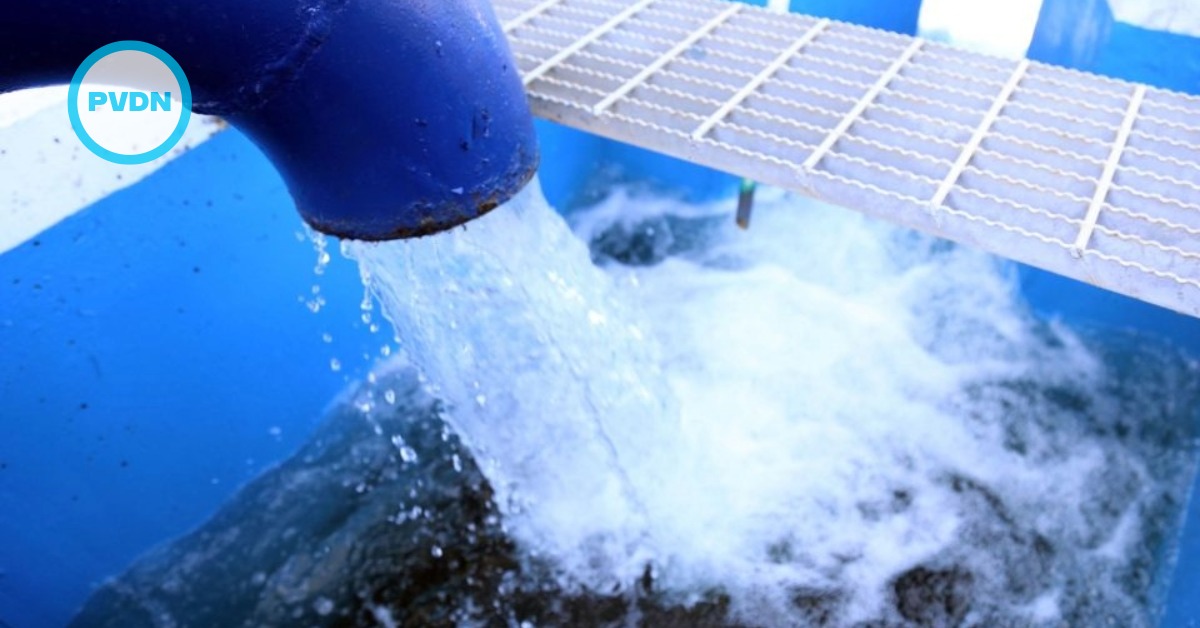
In the state of Jalisco, only Puerto Vallarta’s water utility can say its supply is officially “certified” for quality. SEAPAL Vallarta holds a Certificate of Water Quality and Sanitary Condition that no other municipal water operator in the state currently possesses. This distinction, first earned over thirty years ago, is granted by Jalisco’s health risk authority (COPRISJAL) as proof that the city’s drinking water consistently meets rigorous safety standards. Maintaining it is no symbolic feat—it requires passing exhaustive checks against all relevant Official Mexican Norms for water quality. SEAPAL must demonstrate that its water contains no contaminants beyond the strict limits set by federal law. From bacteria and chlorine levels to heavy metals and dozens of other elements, every metric is monitored and kept within acceptable limits. Independent accredited laboratories regularly test system samples and verify that the Norma Oficial Mexicana 127 (the primary drinking water standard) is met at all times. The certification isn’t a one-time award, but a credential that needs continual revalidation. Every cycle, SEAPAL must present technical data, water analyses, and maintenance records to auditors to prove that its treatment processes and distribution network comply with a suite of regulations. In essence, the utility must show it is doing everything by the book—treating, testing, and handling water in full compliance with national health standards—day in and day out.
What It Takes to Stay “Certified”
Behind the scenes, keeping that certificate is a daily grind of technology and technique. Water quality in Puerto Vallarta starts at the source and continues through modern treatment plants where it’s filtered and disinfected. Yet hitting lab targets is just one part of the equation. The certification process also scrutinizes operational practices and infrastructure. SEAPAL’s staff continuously monitors chlorine residuals throughout the city’s pipelines to ensure safe disinfection levels in every neighborhood. They maintain meticulous logs of pump performance, pipe maintenance, and water pressure readings, since federal norms (such as NOM-179 and NOM-230) require vigilant oversight of the distribution system’s condition. Everything from wellheads to storage tanks must meet sanitary requirements. Even administrative details come into play: the utility must maintain up-to-date emergency plans, proper operating licenses, and compliance paperwork with regulators such as COFEPRIS. All three facets—water quality results, technical operations, and legal documentation—are evaluated during the certification renewal. Only if every box is checked will authorities renew Puerto Vallarta’s status as a certified water supplier. This comprehensive approach means SEAPAL’s team cannot slack; any dip in testing performance or lapse in maintenance could cost them the badge they’ve held since the early 1990s. It’s a hard-won title that demands constant diligence.
Why Does “Certified Water” Matter?
For residents and visitors alike, having a certified water supply should mean peace of mind. In practical terms, the certification indicates that tap water in Puerto Vallarta is safe to drink, in accordance with national health standards. That’s no small assurance in a country where many locales lack reliably potable tap water. City officials and SEAPAL’s leadership often tout this achievement as a public health cornerstone: it helps prevent waterborne illnesses and demonstrates the city’s commitment to its people’s well-being. There’s also a civic pride element. Puerto Vallarta’s ability to consistently meet strict norms over decades has earned it national recognition, and locals see it as part of the city’s identity of quality services. Moreover, in a tourism-driven economy, water quality is a selling point. Travel guides frequently note that Vallarta’s water system is one of the few in Mexico held to such high standards. Tourists are told they can brush their teeth or even drink from the tap in PV, something unheard of in many other destinations. This reputation for clean water supports the city’s image as a safe and modern resort town. The certification, therefore, matters not just for health but also for confidence. It reassures hotels, restaurants, and foreign residents that the water coming out of the faucet isn’t a gamble. SEAPAL’s general managers have often pointed out that this advantage sets Puerto Vallarta apart, contributing to the area’s competitiveness and appeal. In short, “certified water” is meant to translate into tangible trust — a guarantee that when you open the tap, you’re getting water that’s been held to the highest standards.
An Unfiltered Reality: Outages and Turbid Water
If the paper standards are so impeccable, why do Vallartans still grumble about their water? The answer becomes clearer when you consider the city’s aging infrastructure and recent growth. Much of Puerto Vallarta’s water network was laid decades ago, and by 2024, officials warned it was nearing the end of its lifespan. Old steel pipes naturally accumulate sediment and mineral deposits over time. When there are disturbances in flow or pressure — say, after a repair job or the startup of a new well — those deposits can break loose, tinting the water that runs through taps. This is exactly what happened in several neighborhoods at the start of 2026. Residents in colonias from La Floresta to Bobadilla shared photos of brown, “tamarindo-colored” water coming from their faucets. Others complained of low pressure or sudden supply cuts for hours on end. In response, SEAPAL’s director acknowledged the problem and provided a technical explanation. The unusual color, he noted, came from harmless iron oxide and biofilm that had built up inside old pipes and was dislodged when the system’s pressure was boosted. Crews had to perform controlled hydrant flushes to clear the murky water. Importantly, the utility assured the public that, despite its unpleasant appearance, the water still met health and safety standards and posed no risk. That claim circles back to the meaning of “certified water”: the brownish hue was an aesthetic and operational issue, not a failure of disinfection or purification. Still, from the customer’s perspective, it’s hard to square a ribbon-worthy water supply with a glass full of cloudy water. Interruptions in service and sporadic turbidity have tested the patience of many Vallartans, especially those in outlying or uphill areas that suffer the brunt of pressure fluctuations.
Balancing High Standards with Old Systems
SEAPAL’s situation highlights a balancing act between maintaining top-notch quality control and upgrading the physical system. The utility’s experts are quick to remind people that the certification reflects water quality at the source and throughout the controlled distribution process. It doesn’t guarantee that every mile of pipe is new or that unforeseen breakdowns won’t occur. In fact, a few years ago, the entire network was at a breaking point: aging lines, pumps, and tanks had been under-maintained and strained by a growing population. In 2019, a major sewer line collapse underscored how overstretched the infrastructure had become. By late 2024, the incoming management found the water system burdened with debt and decay, warning that frequent outages would occur if nothing changed. Since then, a concerted effort has been underway to revitalize Puerto Vallarta’s waterworks. New wells and collector tunnels have been dug to increase supply, and crews are gradually replacing sections of pipe that have served for 40+ years. The local government even distributed storage tanks (“tinacos”) to vulnerable households to help them cope with any service interruptions. These improvements are starting to pay off—reports of chronic water cuts have eased compared to a few years back. Yet, as recent turbidity episodes have shown, modernization is a work in progress. SEAPAL’s achievement in lab tests and paperwork must be matched by performance in the street pipes beneath people’s feet.
Ultimately, Puerto Vallarta’s relationship with water is this: the city enjoys a level of water quality oversight that few places in Mexico can rival, but it also faces the typical challenges of an aging public utility. The certification remains a valuable badge, one that the utility is justifiably proud of and is in the process of renewing once again. It signals that the water’s purity and treatment are up to scratch. Now, the task is to ensure the delivery system keeps pace. SEAPAL officials stress that they’re working tirelessly to fix infrastructure issues so that having “certified water” isn’t just a point of pride on paper, but a benefit everyone can actually see and taste at home. For Puerto Vallarta’s residents—and the expats and visitors among them—that day can’t come soon enough, but the decades-long commitment to quality is a hopeful sign that the city is on the right track.