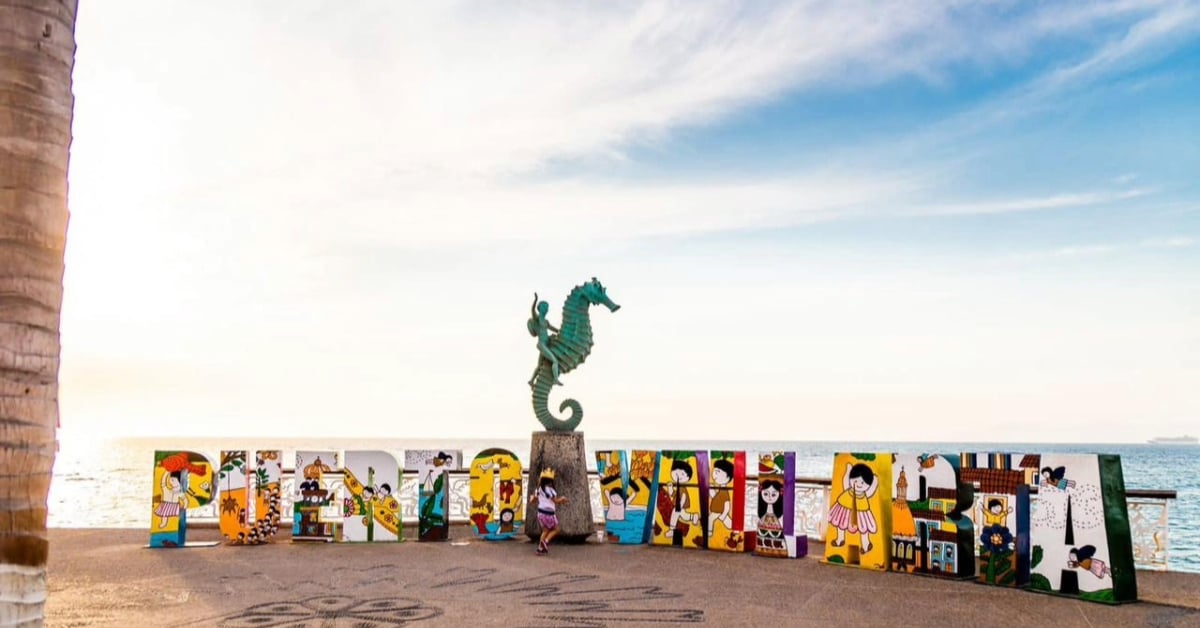
The Puerto Vallarta city brief tracks cruise tourism milestones, a 120 street paving push, a Las Juntas warehouse fire and a new queer gym shaping daily life.
Puerto Vallarta’s week has been busy on land and sea. The cruise terminal has crossed a symbolic million-passenger mark for 2025, City Hall is talking about paving more than 120 streets next year, firefighters are again reminding residents how fast a vacant lot can burn, and a new queer gym project is taking shape in the Romantic Zone.
Taken together, these stories show how the city’s tourism engine, basic infrastructure, public safety and LGBTQ+ scene are all shifting at once. National tourism data already point to a double-digit jump in cruise passengers arriving to Mexican ports this year, a trend Puerto Vallarta is now feeling on the ground.
Puerto Vallarta city brief
Puerto Vallarta’s port logged its first triple cruise call of the season with an overnight stay this December, and welcomed its millionth nautical passenger of 2025. That kind of traffic shows how deeply the local economy depends on visiting ships, from guides and taxi drivers to waterfront restaurants in the Hotel Zone and downtown. For residents, it means crowded main arteries on those big days, heavier pressure on public services and a bigger debate over how much the port should grow.
At the same time, City Hall is selling a major street-repair push as a quality-of-life fix for neighborhoods that have waited years for pavement. The Lluvia de Calles program, highlighted in local coverage and confirmed by Mayor Luis Ernesto Munguía, aims to rehabilitate at least 120 streets across the municipality in 2026, backed by an initial 300 million peso budget that could rise toward 600 million if revenues allow. Officials say the goal is to spread works across most colonias instead of concentrating everything near the tourist core, though they have not yet released the full list of streets.
For residents, the plan is a mixed package of hope and disruption. Paving long-ignored dirt or cobblestone streets could reduce dust, mud, and flooding during the rainy season and help ambulances, buses, and garbage trucks move more quickly. But anyone who remembers past roadworks knows months of noise, blocked access and detours often arrive first. The city has promised to announce schedules and phases by mid-January so neighbors can brace for heavy machinery and work crews.
While the paving promise looks ahead, a recent fire in Las Juntas brought safety concerns right back into the present. Late last Thursday afternoon, a blaze broke out in a lot used as a warehouse in the Las Juntas delegation, sending smoke over nearby homes and businesses and triggering a rapid response from Protección Civil y Bomberos. Crews cooled and contained the flames before they spread to adjoining properties and no injuries were reported, but investigators are still working to nail down the cause.
The incident fits a pattern that local authorities have been tracking for months. In a mid-year report, Protección Civil y Bomberos counted more than one hundred fires in vacant lots in just one spring quarter, a reminder of how quickly trash, brush and scrap wood can ignite in Puerto Vallarta’s heat. For residents in neighborhoods like Las Juntas, the fire is a nudge to clear empty plots, avoid burning waste and keep access routes open so engines can reach tight backstreets when something does go wrong.
Streets, safety and queer space
Amid the talk of ships and streets, a different kind of project is taking shape in the city’s gay heartland. Tryst Fitness Puerto Vallarta, announced this week as part of a broader Tryst PV hospitality concept, is pitching itself as a queer-focused gym, spa and lap-pool club in the Zona Romántica, designed for both LGBTQ+ travelers and locals who live nearby. The project leans into the neighborhood’s role as Puerto Vallarta’s primary gayborhood, where bars, cabarets, beach clubs and condo towers already pack narrow, walkable streets.
A dedicated queer gym signals how that scene is maturing. Instead of centering only nightlife, it ties wellness, community and long-stay living into the same space, giving residents and repeat visitors another place to meet outside the bar circuit. For locals, there will be questions about prices and access in a district where rents and condo sales have raced ahead of local wages. For visitors, it adds one more reason to base themselves in Old Town rather than in a big resort farther north.
All four threads in this Puerto Vallarta city brief land in the same place: the city is still riding an intense tourism wave, but daily life is shaped just as much by basic infrastructure, fire-risk management and how inclusive spaces evolve on the south side. As the cruise calendar fills, the city will have to prove it can deliver on the promised street repairs, keep a close watch on vacant lots that turn into tinder piles and make sure new queer-branded projects feel like part of the broader community, not just another amenity sold to visitors.