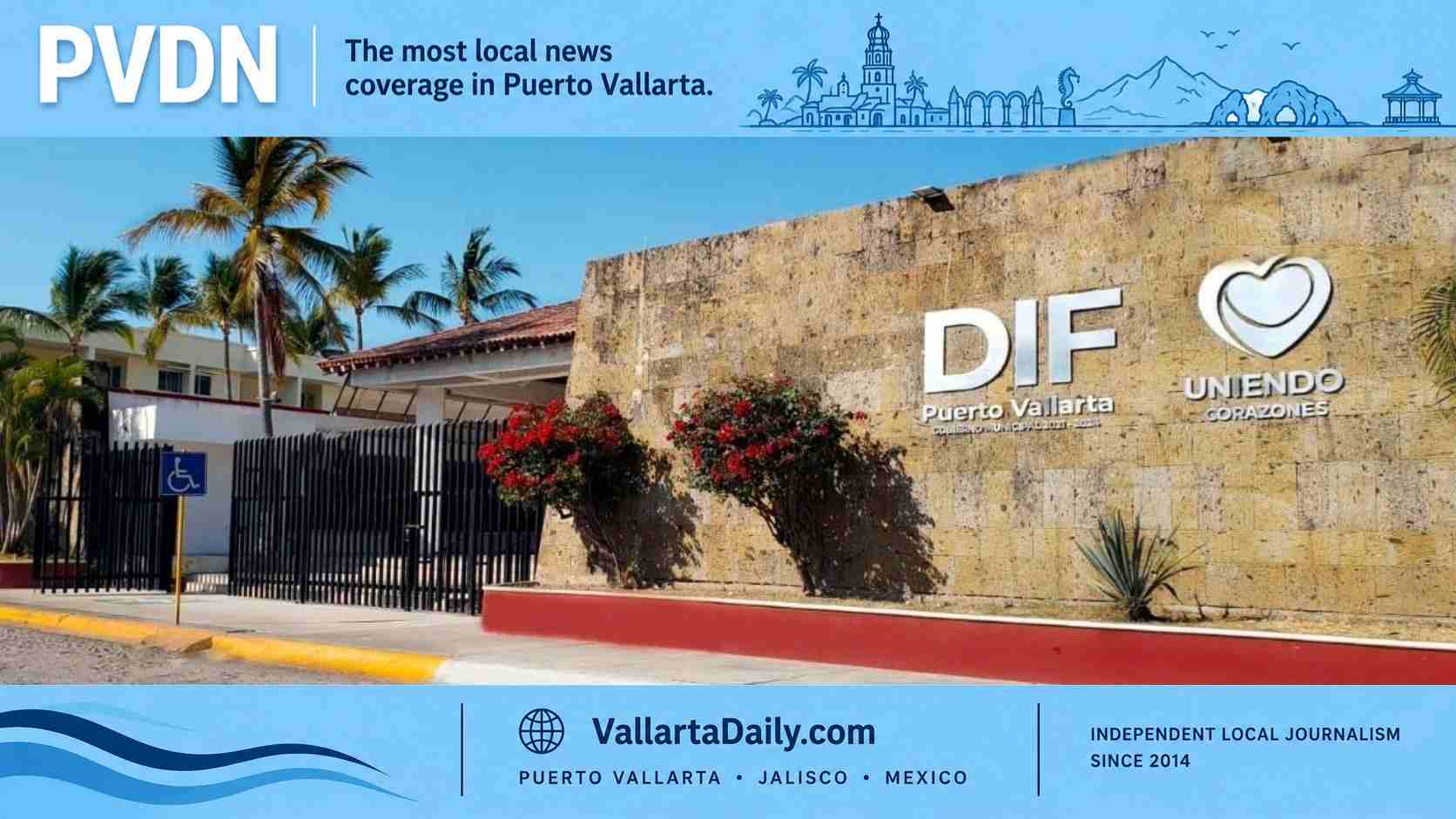
Puerto Vallarta, Jalisco, October 21, 2026 — DIF’s board has backed a request for another 40–45 million pesos to finish 2026, Councilwoman Karla Rodríguez said in an interview published Tuesday.
“Tentatively, the proposal is for 40 to 45 million pesos,” Rodríguez said, explaining that department heads had presented their needs and the assistance they had delivered.
That approval came from DIF’s governing board, or patronato, to put a proposal before the city council. The published materials reviewed for this article did not confirm council authorization, an itemized plan for the additional money, or a specific municipal funding source.
Puerto Vallarta’s approved 2026 municipal budget allocated 120 million pesos to DIF. The proposed increase would add approximately 33–37.5 percent, bringing that municipal contribution to 160–165 million pesos if approved in full.
For families who depend on the agency, the question is practical: Which services would the additional money keep running through December?
DIF is the municipal family assistance agency. Its published service directory includes food assistance, rehabilitation, child care, family therapy, disability support and services for older adults. Those responsibilities make its operating budget relevant to everyday decisions about care, work, and household expenses.
Official financial records provide some spending context, although they cover the first half of the year.
DIF’s statement of activities for January through June records approximately 86.6 million pesos in expenses, divided as follows:
| Expense category | Amount recorded |
|---|---|
| Personnel costs | 75.81 million pesos |
| Pensions and retirement payments | 6.26 million pesos |
| Social assistance payments | 3.03 million pesos |
| General services | 1.27 million pesos |
| Materials and supplies | 230,000 pesos |
| Total | 86.60 million pesos |
Personnel accounted for about 87.5 percent of recorded expenses. The social assistance category therefore captures only one part of the agency’s work: services such as rehabilitation, therapy, and child care also depend on staff.
The figures establish the scale of spending at midyear. Explaining the current shortfall requires an updated account of expenses and outstanding commitments, together with a forecast showing how much each service needs through December.
The agency’s public budget information also has a gap. Its 2026 annual budget disclosure page still says the budget is being prepared. That page supplies no breakdown readers can use to examine the proposed increase.
Rodríguez attributed the funding pressure to demand for social assistance. She also said DIF receives state funding, but those resources are earmarked for particular programs and population groups and cannot be redirected to other expenses.
That distinction affects the city’s options. Money available for a designated program does not necessarily cover another service’s staffing, supplies, or operating costs. The municipal financing plan would need to show where the additional transfer would come from and how it fits alongside the city’s other commitments.
DIF’s responsibilities also extend to emergency assistance. Vallarta Daily reported that the agency announced five temporary shelters as Hurricane Simón approached on October 9. That recent operation illustrates another part of its role, although the funding request has not been tied to a documented shelter expense.
The interview did not identify assistance programs scheduled for reductions or closure. For residents receiving services, it therefore provides no specific change to appointments, delivery, or eligibility rules.
On staffing, Rodríguez’s assurance was concrete: salaries were being paid normally, and the next two-week payroll was covered.